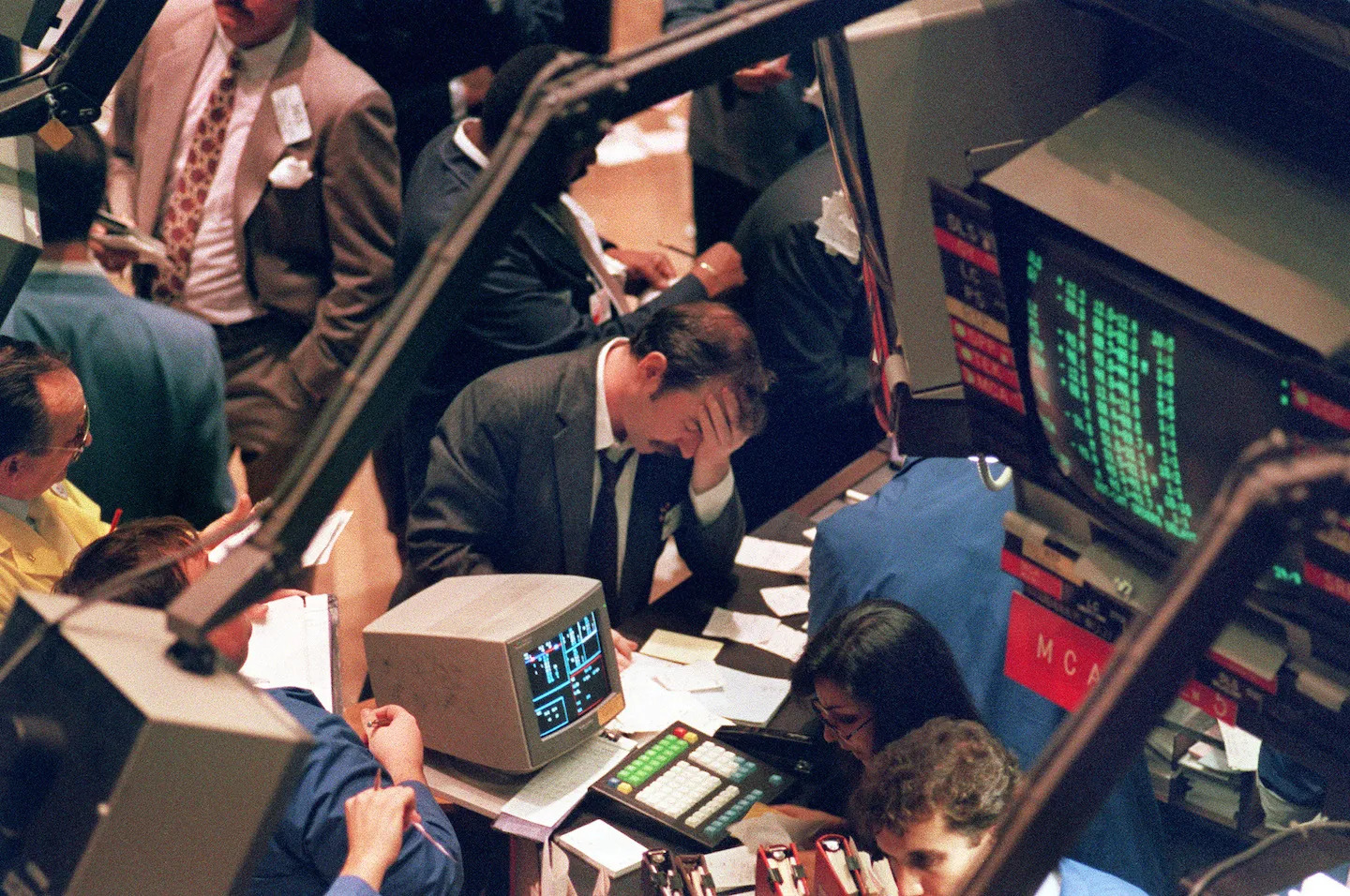
Looks at what happens when AI trading algorithms hit a commodity futures market under stress, and which circuit breakers actually stop the damage.
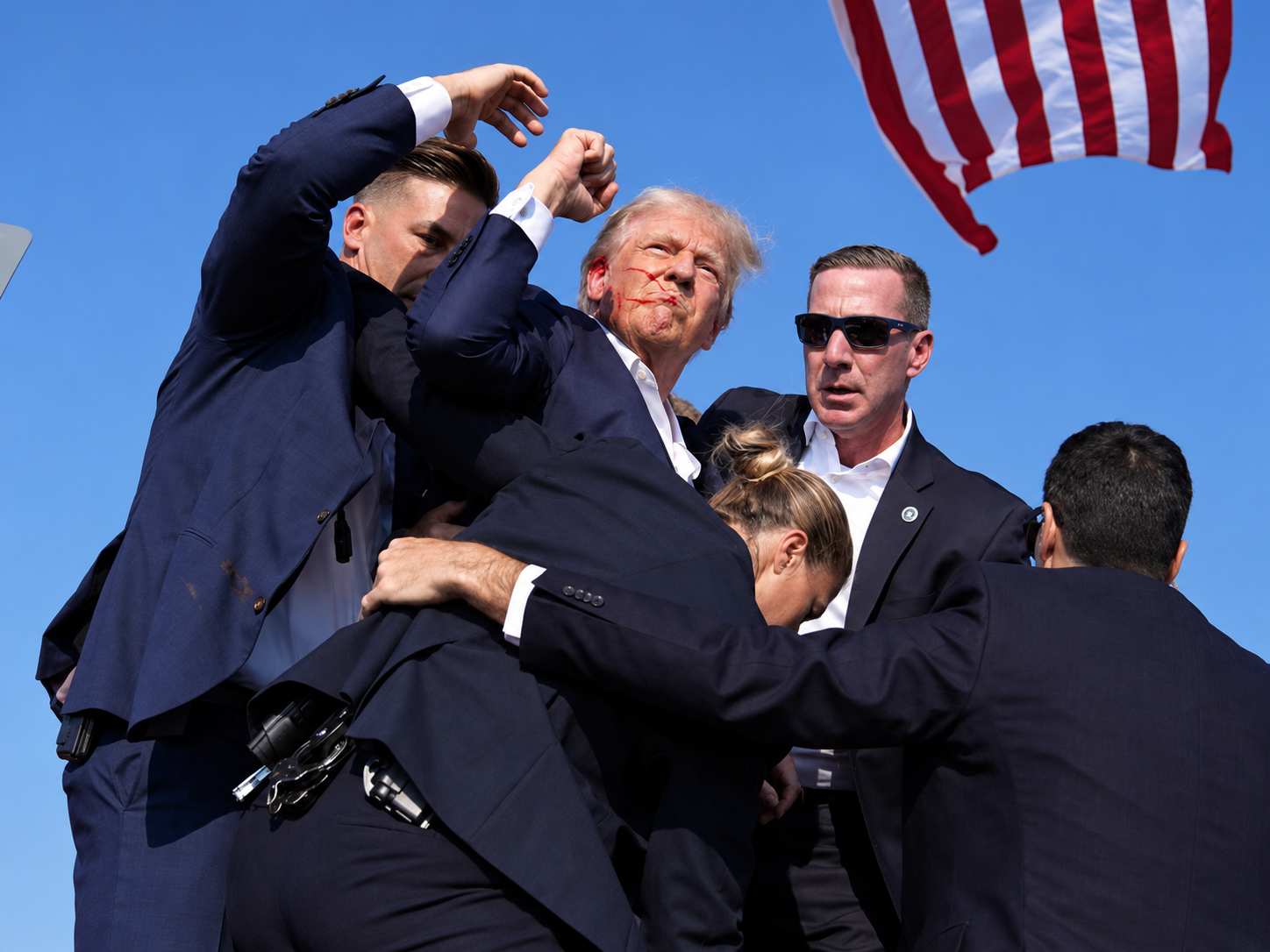
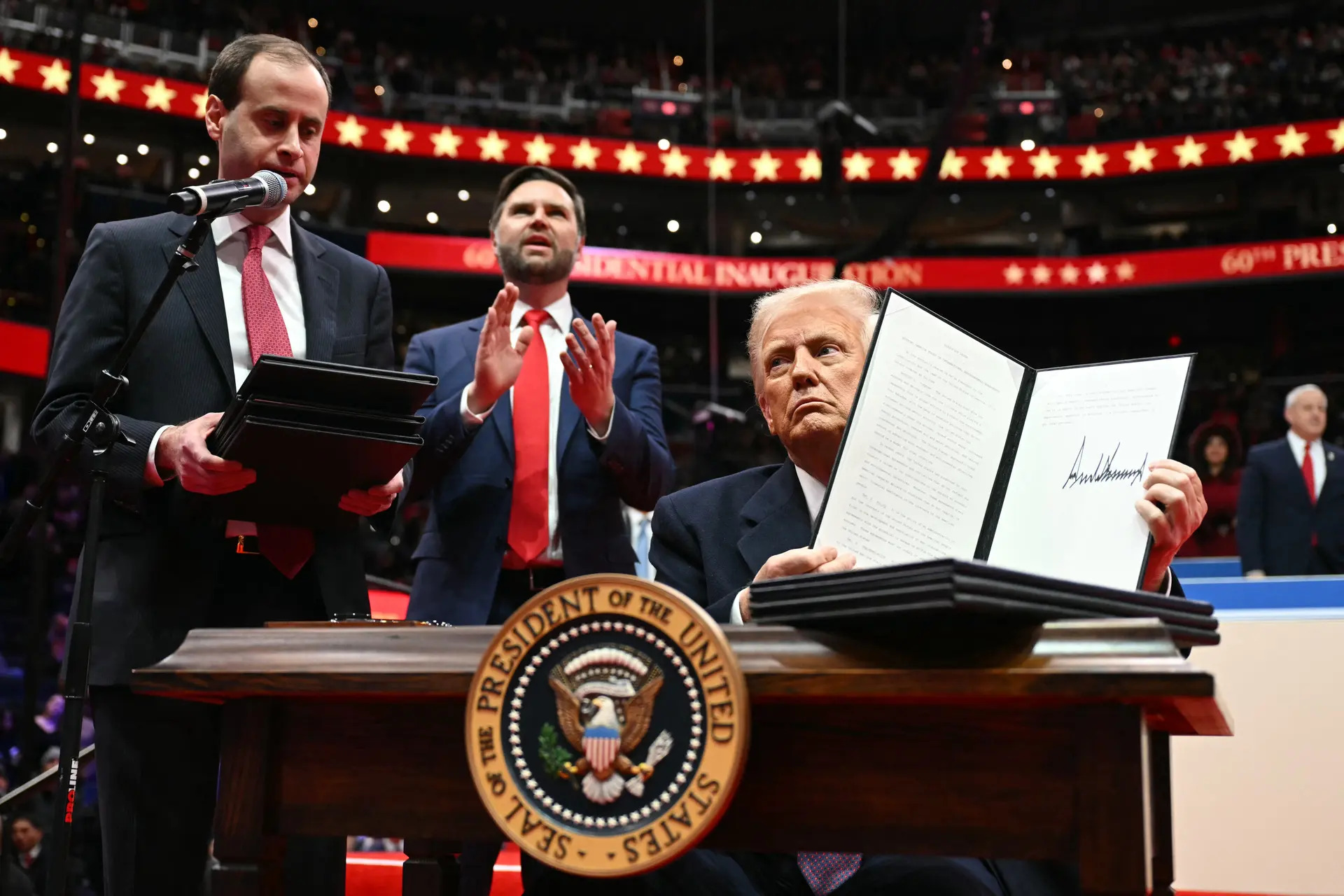
Trump's second term is the latest turn of a recurring cycle in American politics that goes back to Hofstadter's writing on paranoid, anti-elite movements.
Where you happen to be born decides most of your life, which is why global poverty is best understood as a question of justice.
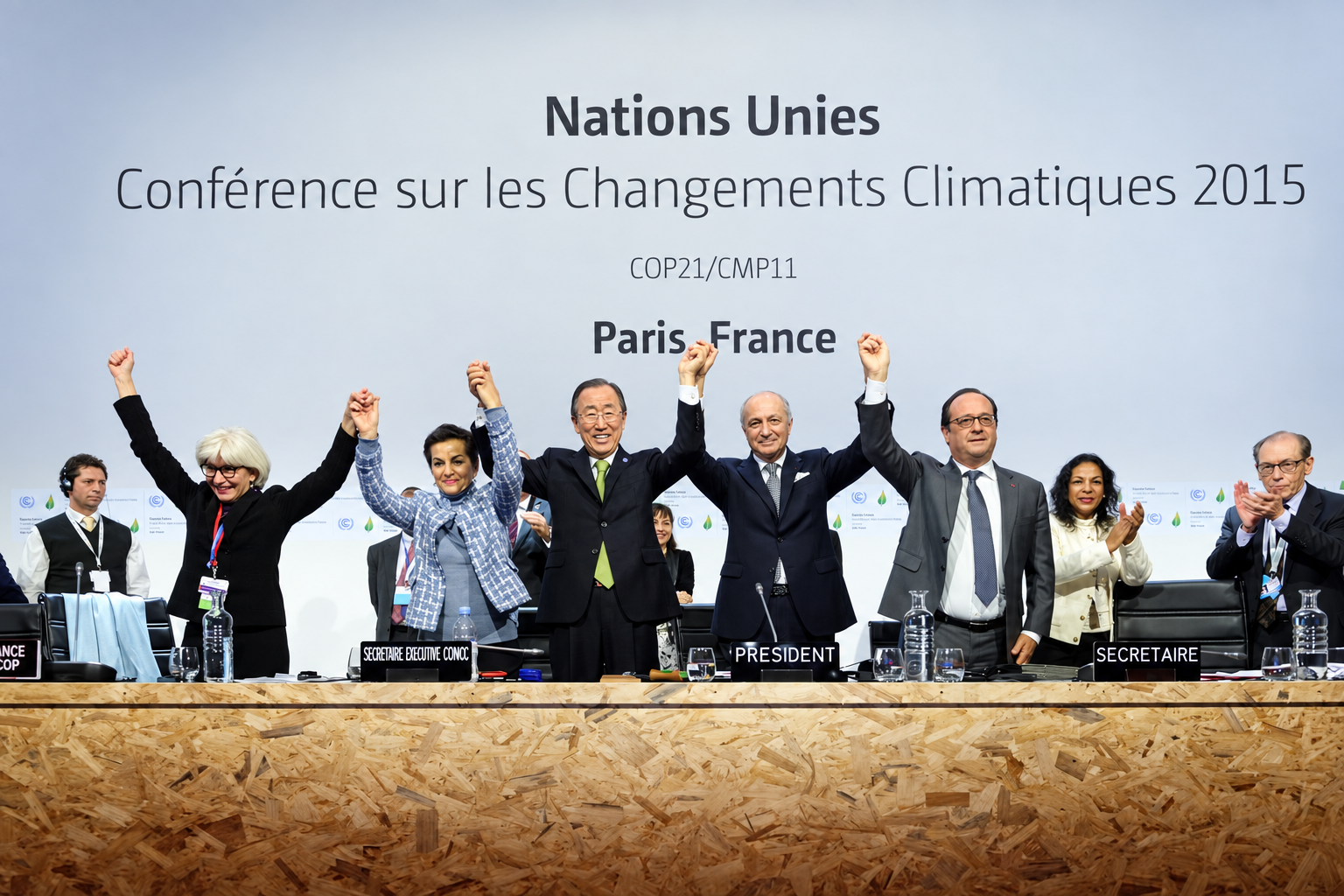
Thirty years of climate treaties have produced agreement without compliance, because international law has no way to force a country to follow through.
History bends toward justice only when people push it there, and the article asks who has been doing the pushing.
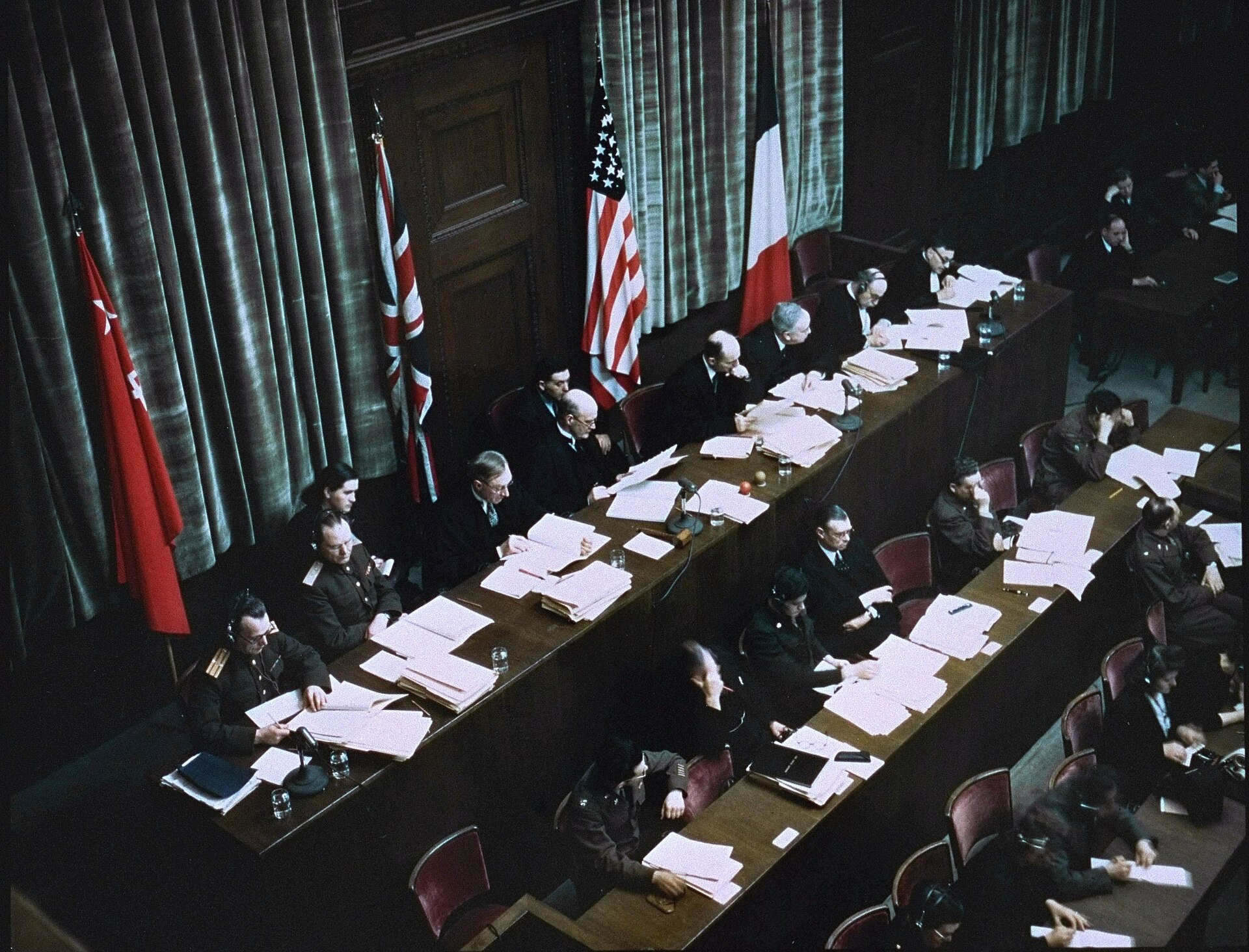
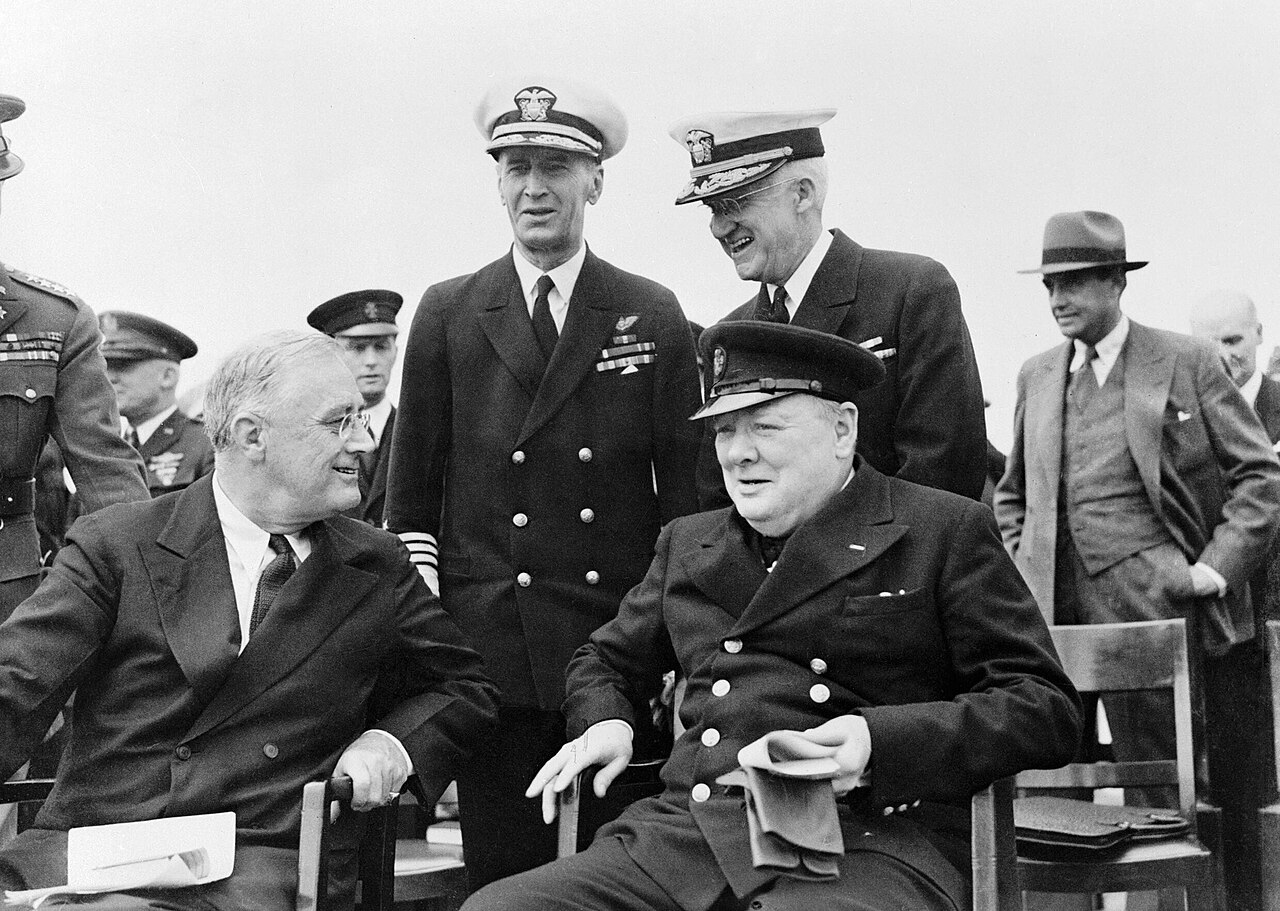
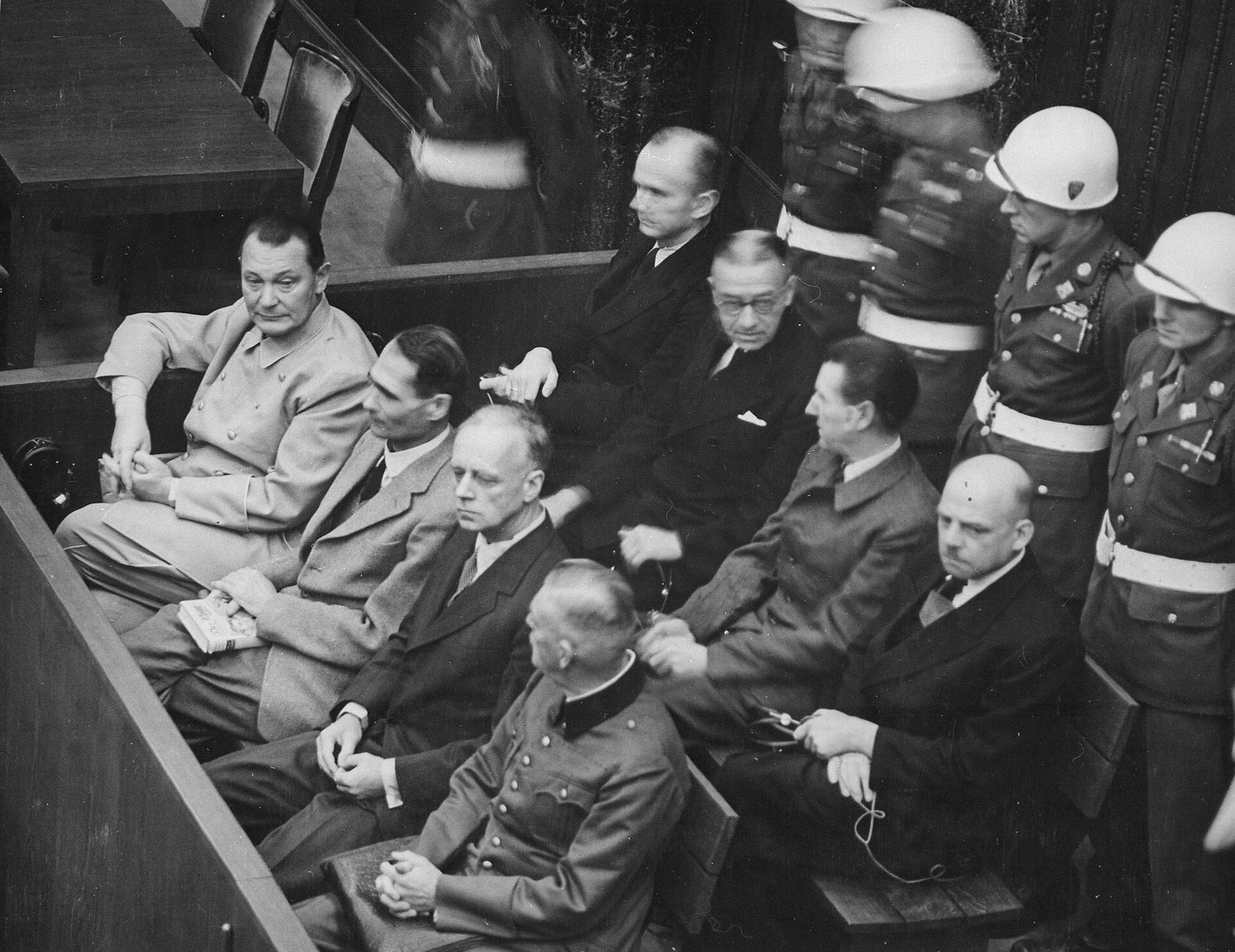
Tests Bertrand Russell's claim that ties Hitler, Churchill and Roosevelt to Enlightenment philosophers, weighing how much of it is actually true.
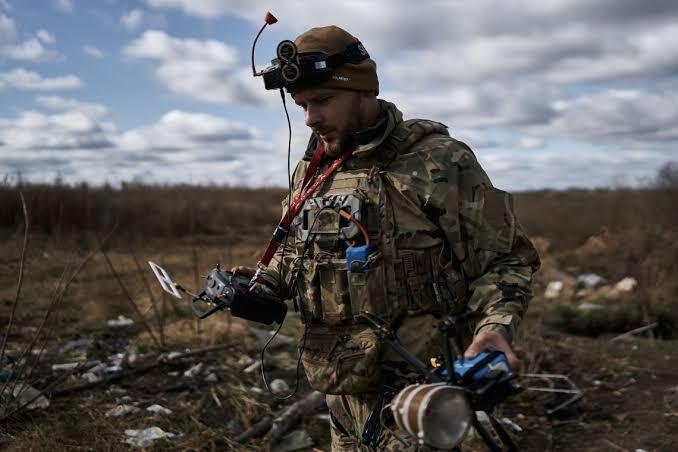
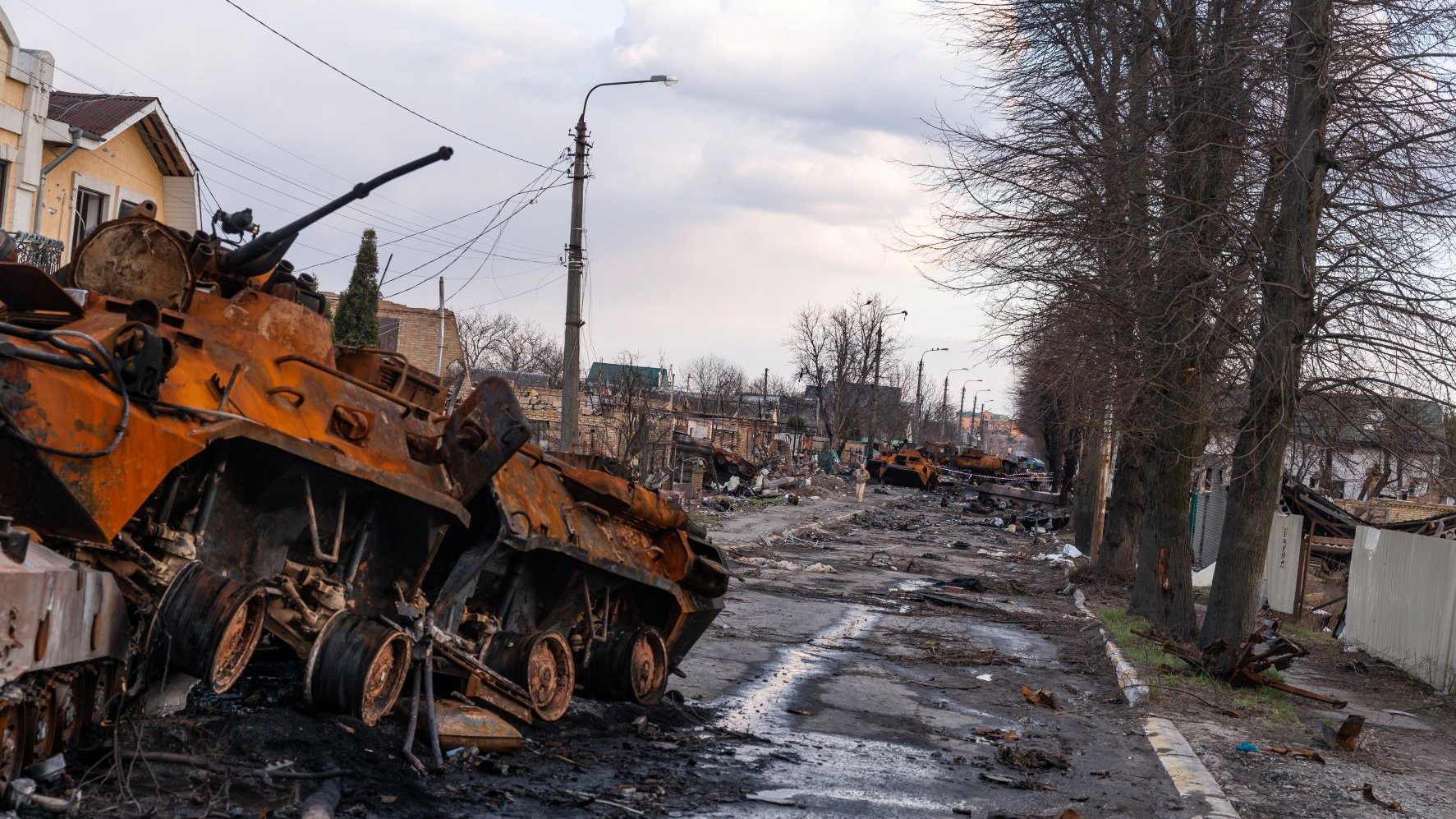
Covers the four factors behind Ukraine's resistance, arguing that leadership and the ability to adapt in the field mattered more than firepower alone.
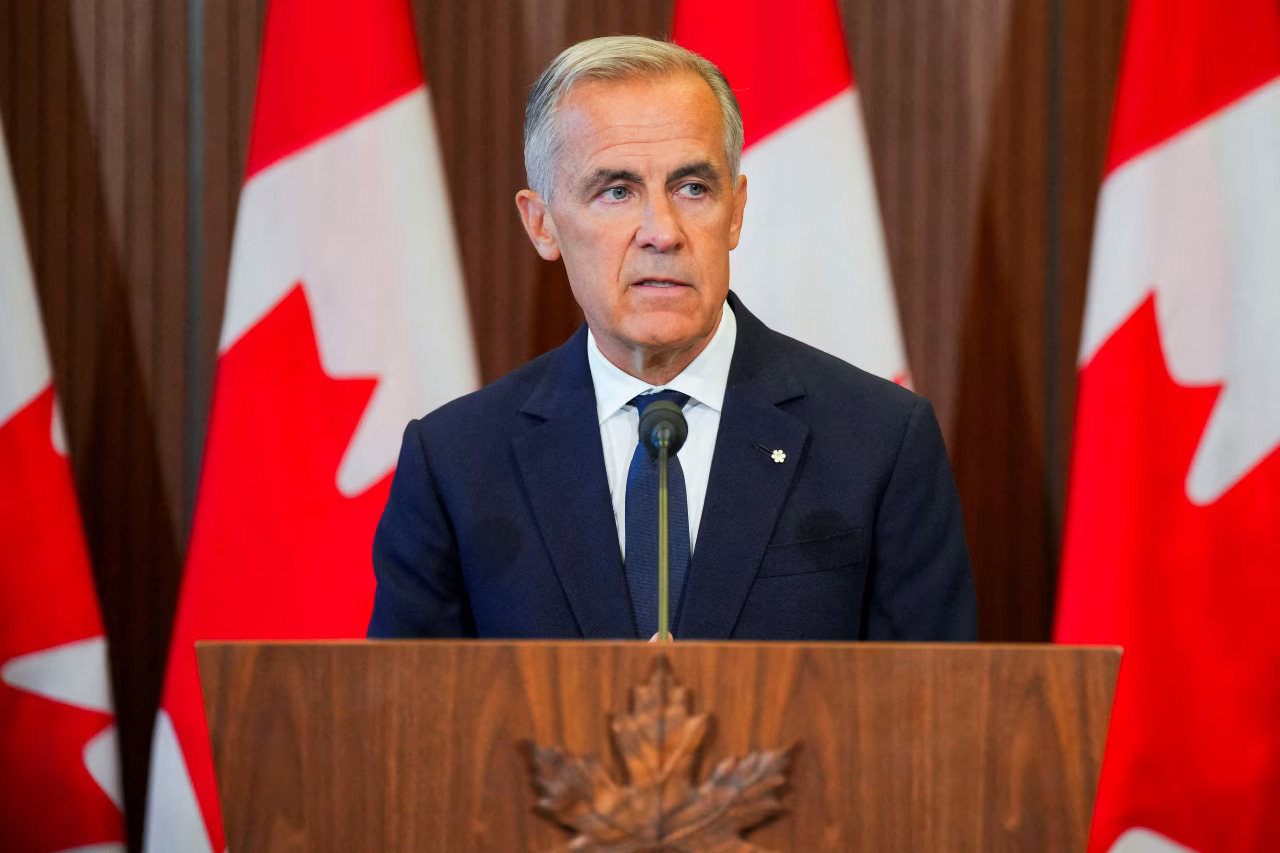
Explains why Canadian voters rejected a carbon tax that returned most households more money than it cost them.
A philosopher who builds mathematical models of human behaviour maps the attention economy through three character types.
Big data and algorithmic pricing have worn away the privacy that once kept consumers from paying exactly what they were willing to.
Human attention has quietly become a raw material bought and sold at scale, with costs landing even on services marketed as free.
Russia's expectation of a quick fall of Kyiv fell apart under its own overconfidence and flawed planning, made worse by a military still built for an earlier kind of war.
Uses Edinburgh's boom and Aberdeen's long-term unemployment, just 92 miles apart, as a case study in how growth clusters around a handful of cities.
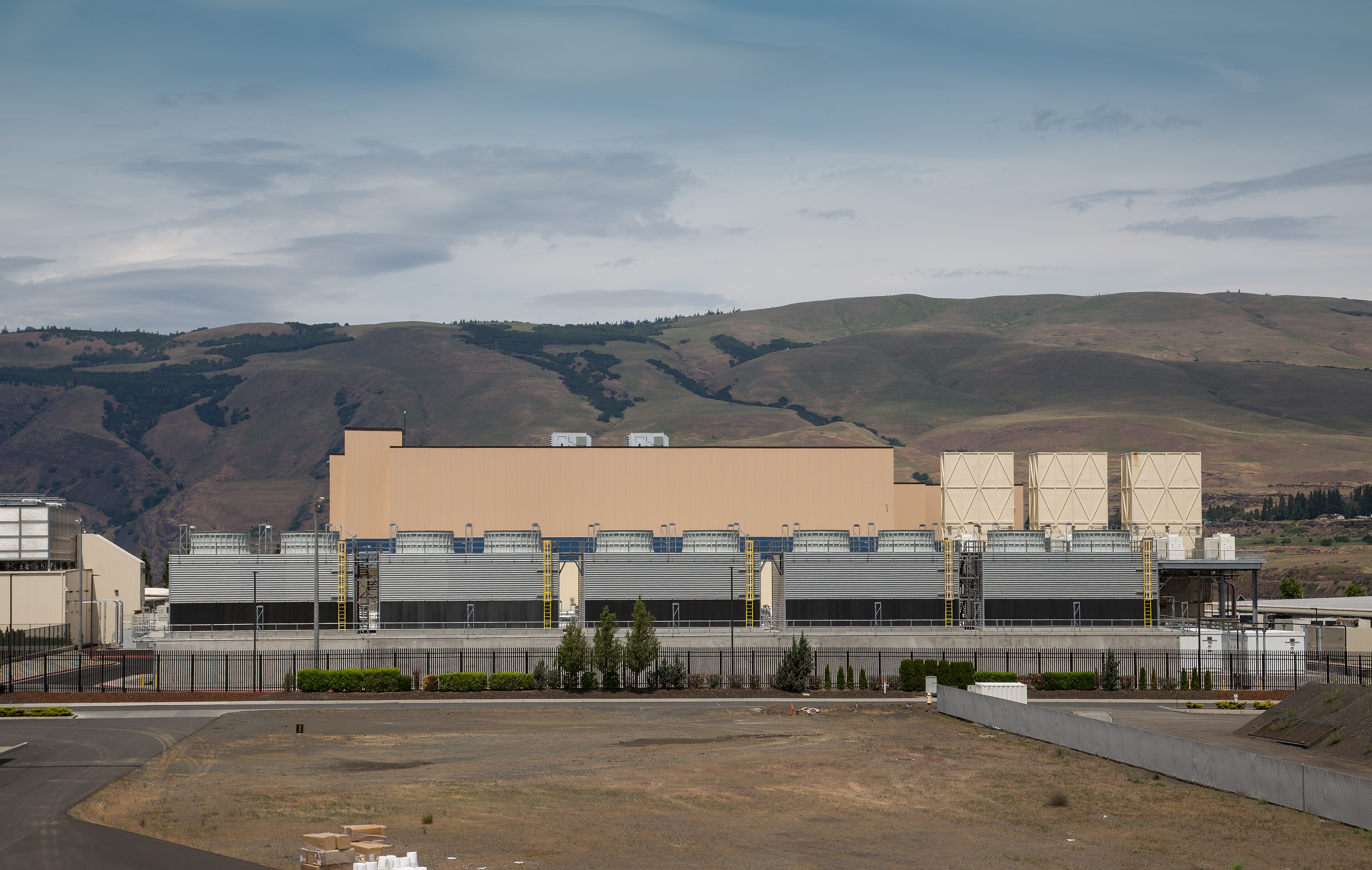
The electricity use hidden behind every seemingly weightless AI query traces back to the data centres that carry the cost.
An Icelandic economist ties the stalled rollout of a constitution backed by two-thirds of voters fourteen years ago to the resource curse playing out inside a wealthy democracy.
An Egyptian political economist explains how Middle Eastern states manage to be authoritarian and weak at once, and argues that formal title to informal property won't fix it.
A philosopher on why patriotism feels good but falls apart once you try to defend it logically.
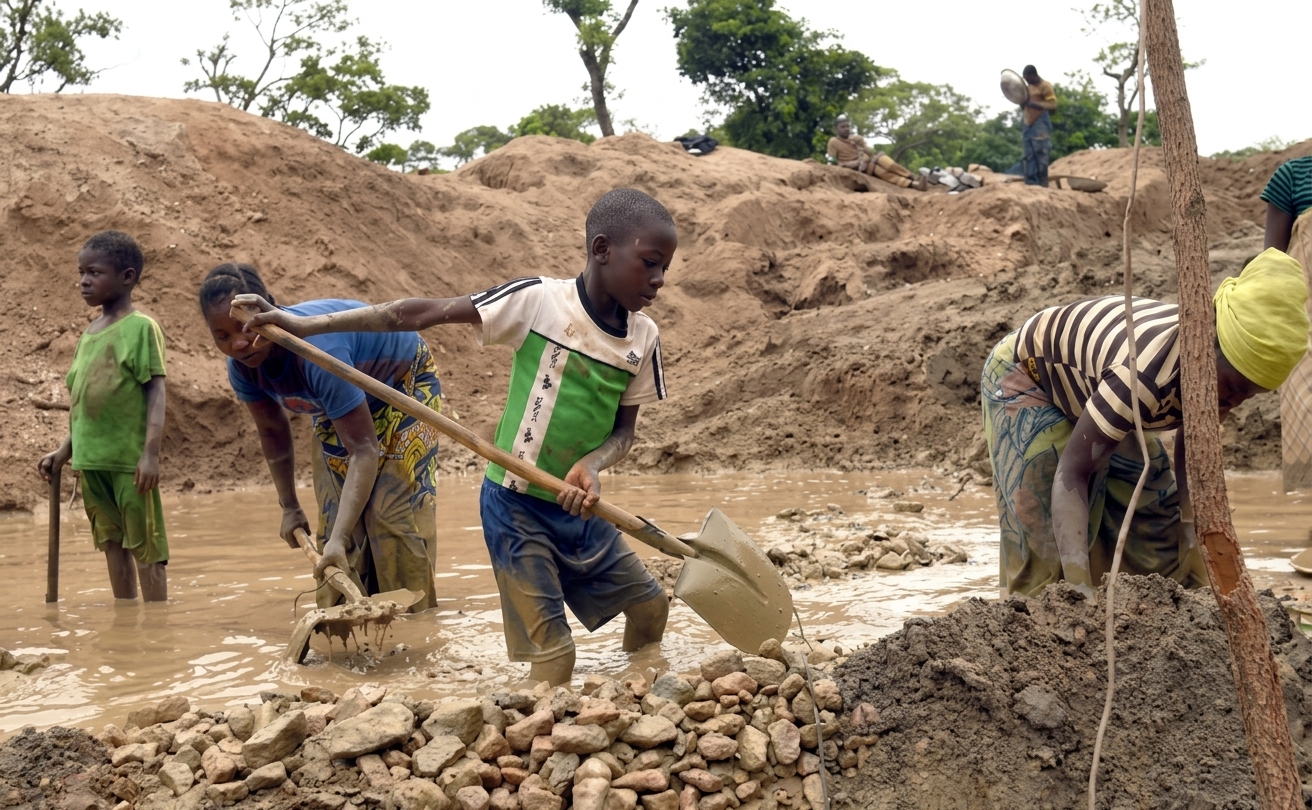
Looks at Asian mining countries and finds they actually do better on quality of life than non-mining ones, suggesting what matters is who controls extraction.
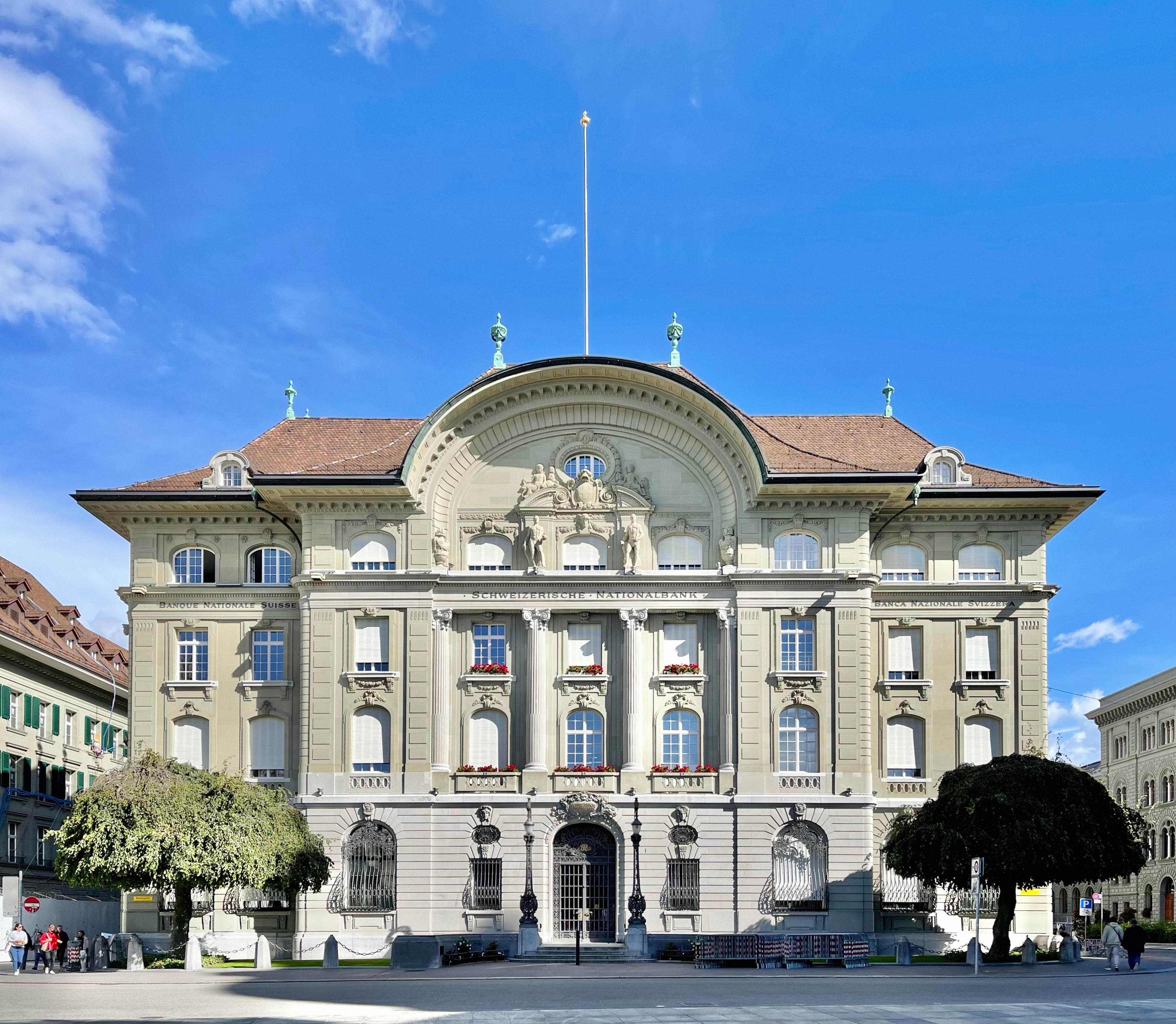
Why the dollar prices trade between other countries, and how demand for the Swiss franc left Switzerland's central bank holding one of the world's largest balance sheets.
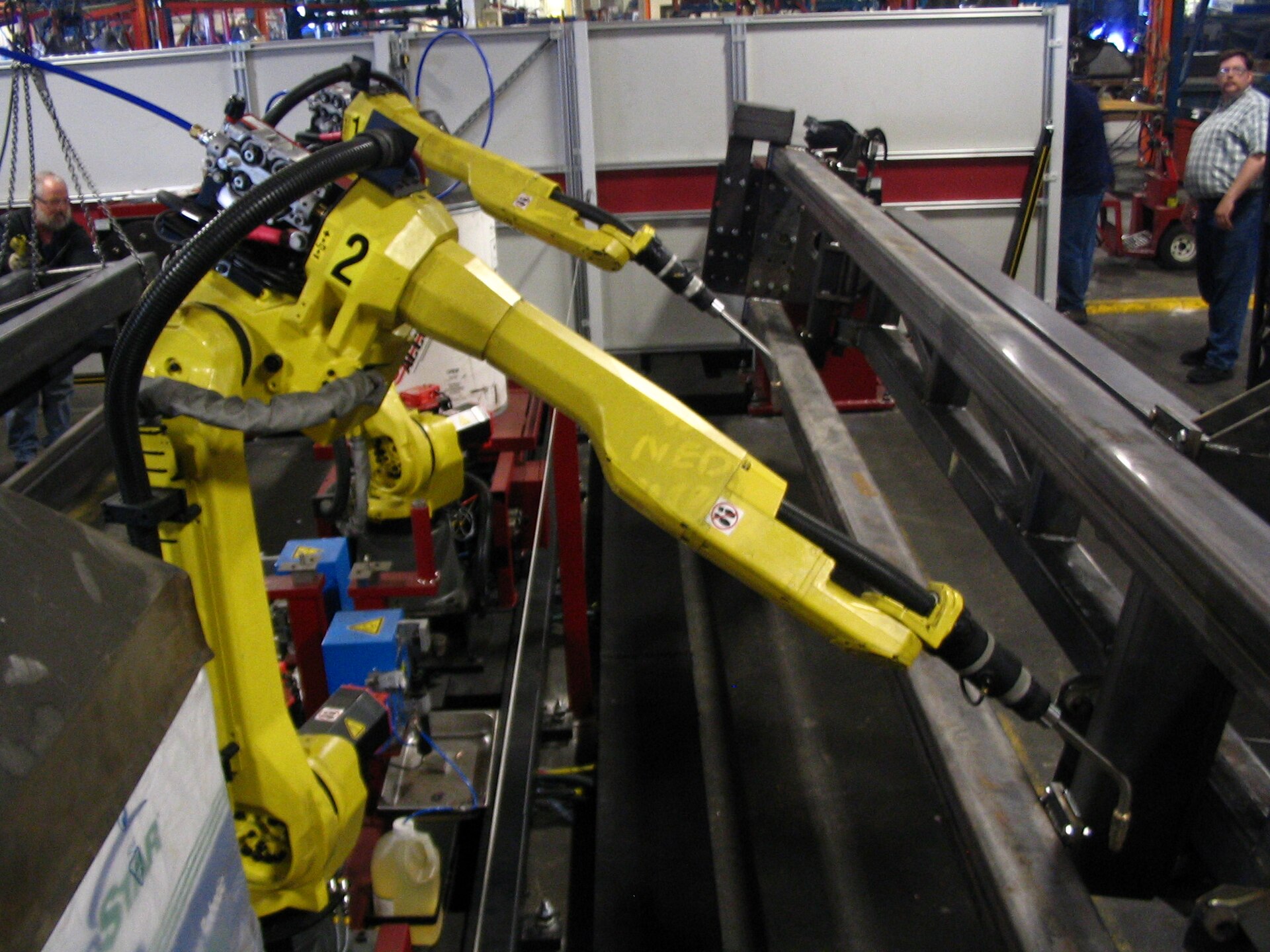
AI is wiping out some job tasks and leaving others alone, and the ones left standing are becoming more valuable.
A Greek MP argues basic income won't be enough once AI displaces labour, proposing housing, dividend-paying capital, and a personal AI agent for everyone instead.
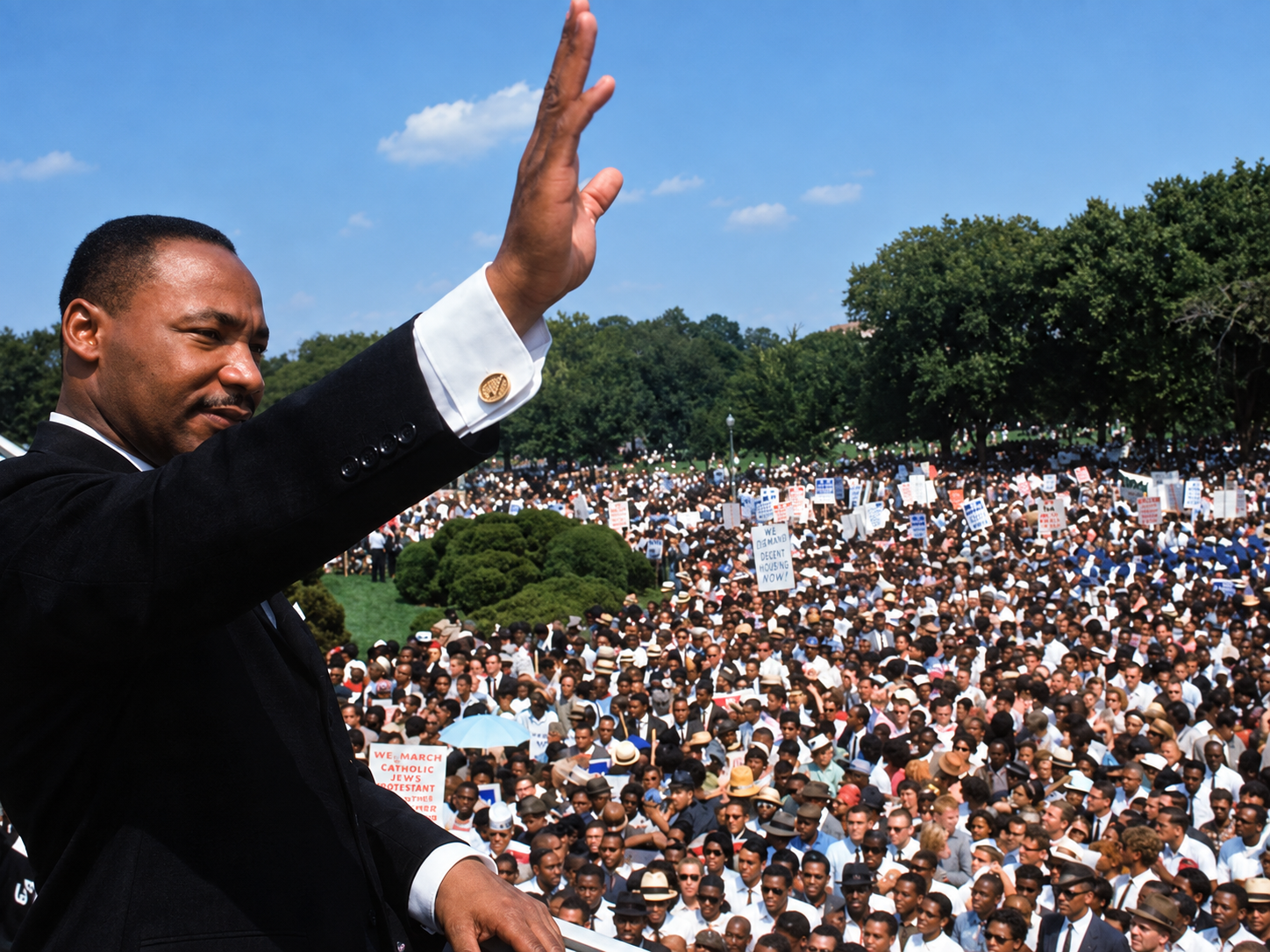
The Civil Rights Movement completed American democracy while also breaking apart the exclusionary bargain that had kept it stable, leading directly to today's polarisation.
Compares deontology and utilitarianism with care ethics and argues the latter does a better job explaining why white lies aren't always wrong.
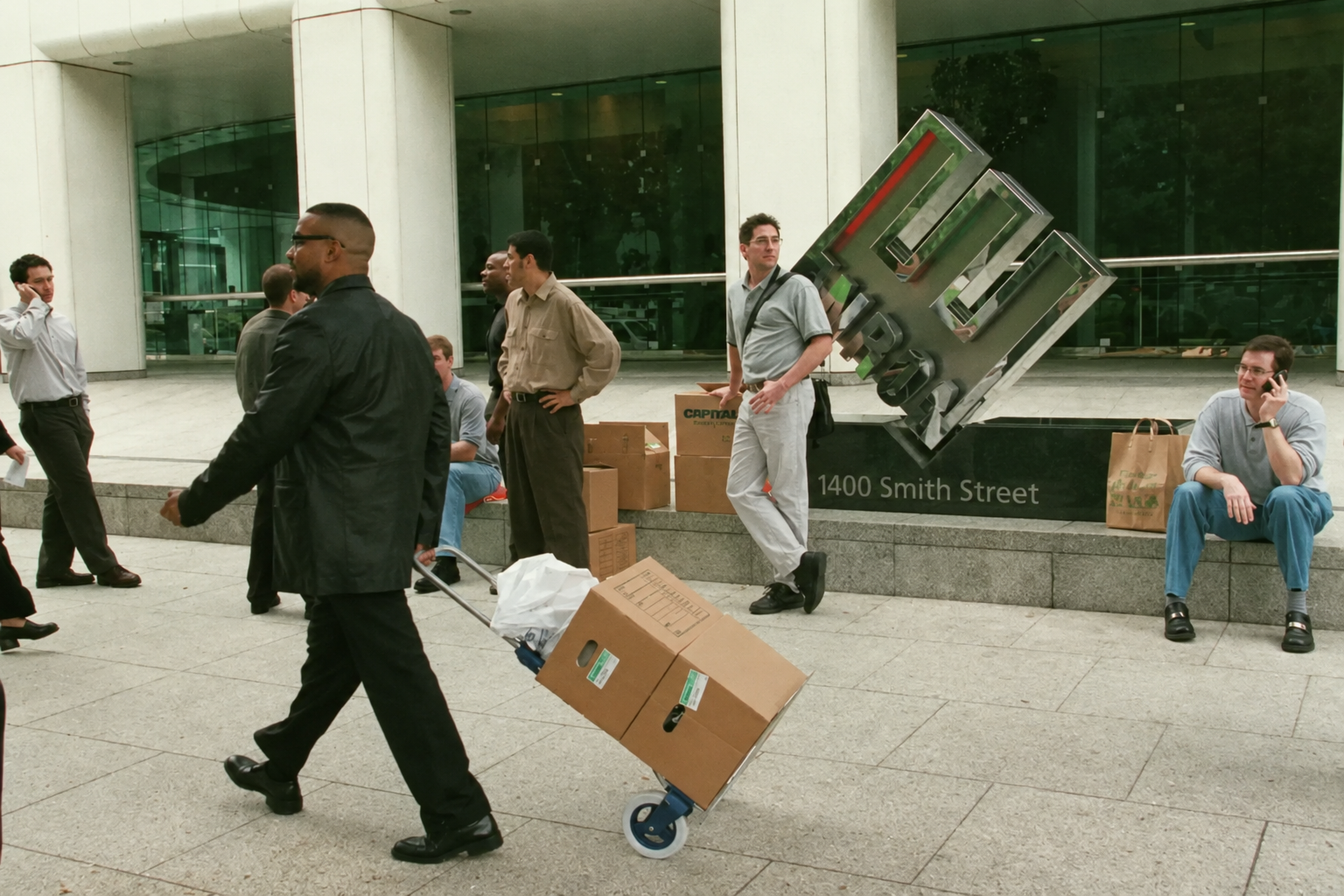
Draws on the collapses of Enron and Carillion, both highly profitable on the surface until they weren't, to show how profit figures can be manipulated in ways cash flow can't.
What an economic model tells a government to do and what that government can get away with before an election are often two different things.
Lebanon's power-sharing system, designed to stop any one sect from dominating, has made the country nearly impossible to govern or reform.
Defends capital punishment for the worst crimes, as long as it is carried out under strict legal limits.
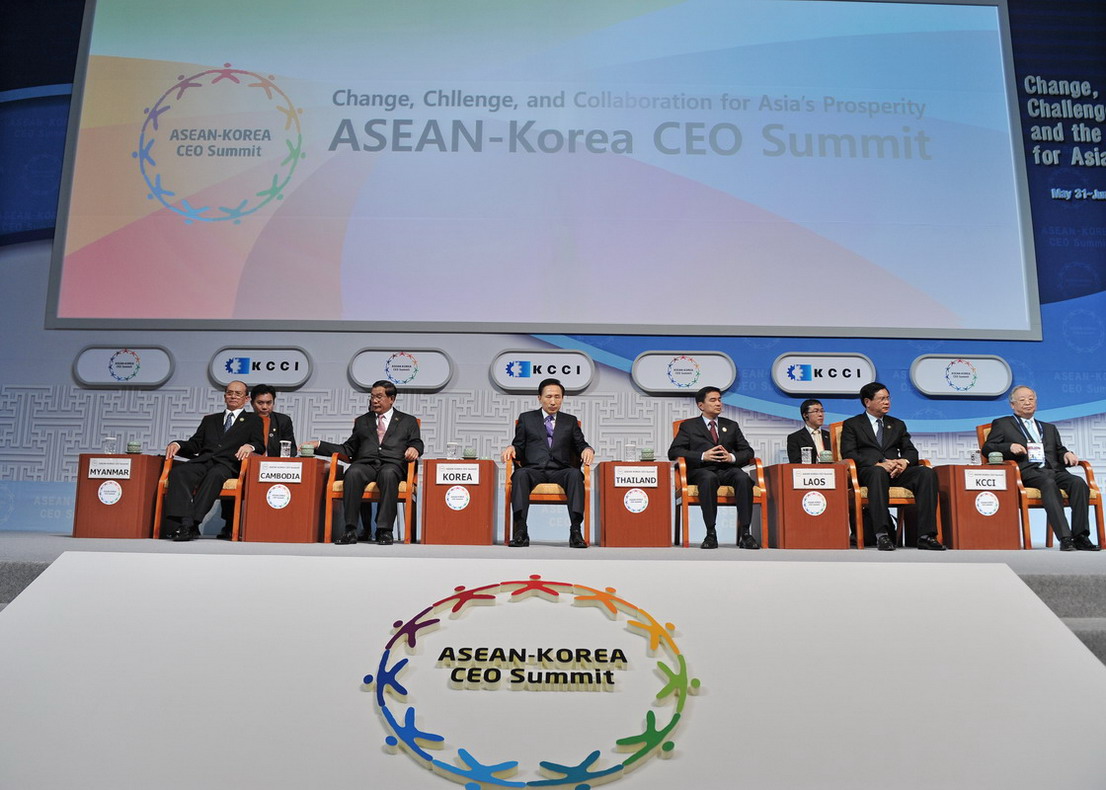
An engineer who once built offshore drilling rigs now runs a platform that connects Korean and Southeast Asian green-tech firms, and explains why the partnership works.
Decades-old scientific agreement on climate change has been held back by a lack of political will, and the piece looks at why.
Phones have changed centuries-old student activism, speeding its reach from campus petitions to protests that can topple governments in weeks.