Built to Fail
Lebanon's power-sharing system, designed to stop any one sect from dominating, has made the country nearly impossible to govern or reform.

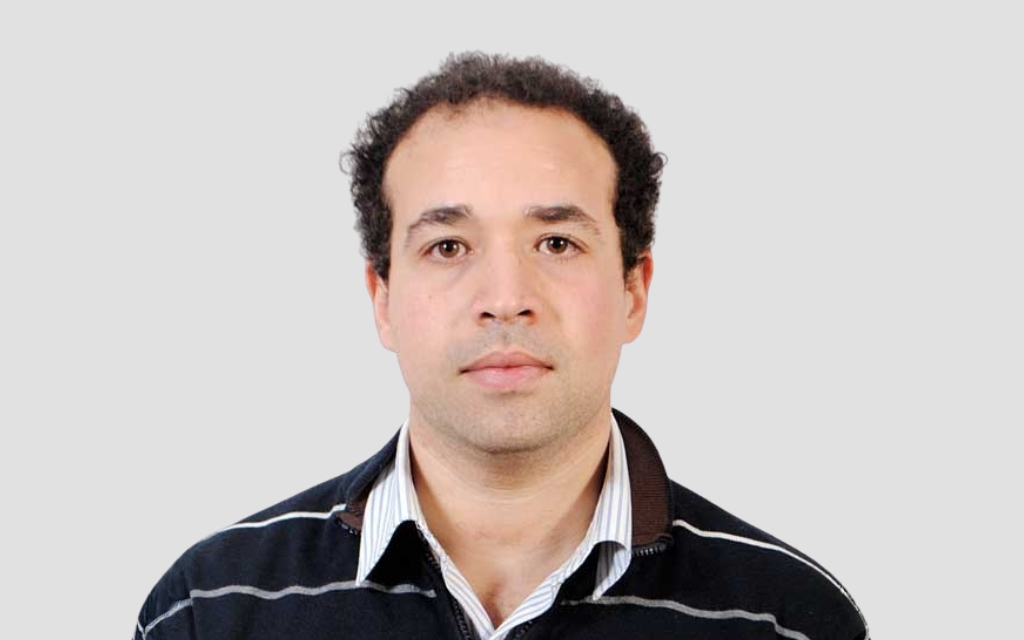
IMAD Salamey is Professor and Chairperson of the Department of Political and International Studies at the Lebanese American University. His research focuses on political Islam, sectarian power-sharing systems, and Lebanon’s political and economic crisis, including the role of groups like Hezbollah within Lebanon’s fractured political landscape.
The Confluence: What does “political Islam” mean?
Dr. Salamey: Political Islam generally refers to movements that believe Islamic values or principles should influence politics, government, or public life. But it can look very different from one country to another. Some Islamic movements participate peacefully in elections and accept democratic institutions; others are more conservative or revolutionary; and a small number have used armed struggle. So “political Islam” is not one single ideology. The Muslim Brotherhood in Egypt, Islamist parties in Turkey or Tunisia, and Hezbollah in Lebanon all emerged from very different political and historical circumstances.
The Confluence: How does Lebanon’s sectarian political system work?
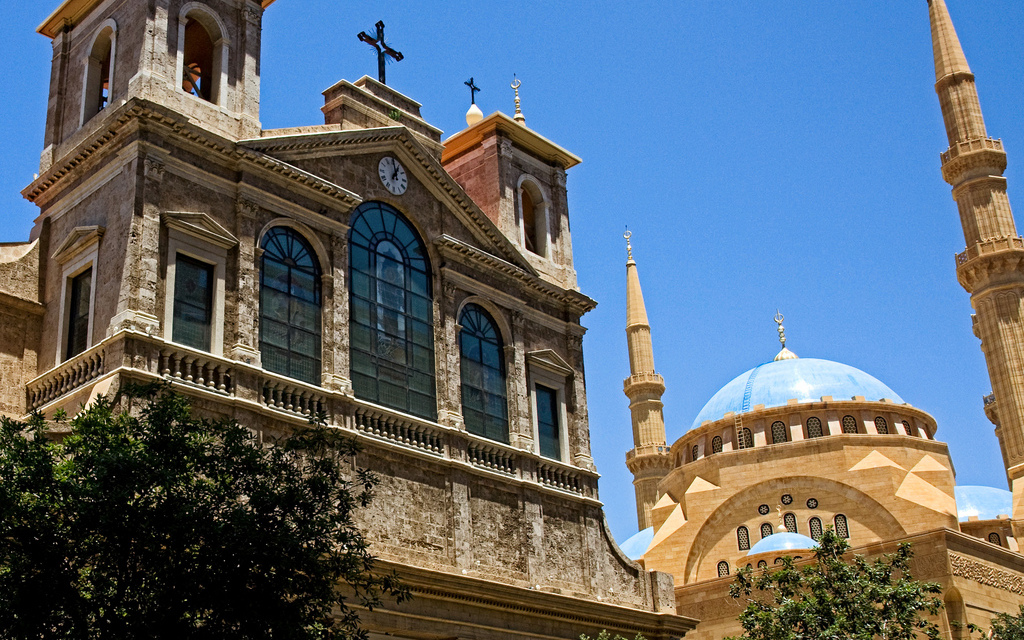
Dr. Salamey: Lebanon distributes important political positions among religious communities. The president is traditionally a Maronite Christian, the prime minister a Sunni Muslim, and the speaker of parliament a Shia Muslim. Parliamentary seats and many senior government positions are also divided according to religious affiliation. This system developed because Lebanon is a highly diverse country whose communities feared domination by one another, so the idea was to guarantee everyone a share of political power. The problem is that political competition often becomes competition between communities rather than between different policies or political programmes.
The Confluence: How much is the sectarian system responsible for Lebanon’s economic and political crisis?
Dr. Salamey: It’s an important part of the problem, but not the only cause. Sectarian power-sharing has encouraged political leaders to build networks of supporters by distributing government jobs, services, and resources. This can weaken public institutions and make reform very difficult, because powerful groups protect their own interests.
But Lebanon’s collapse also resulted from poor economic policies, corruption, excessive government borrowing, an unsustainable banking system, regional conflicts, foreign intervention, and repeated wars. Sectarianism helped make these problems harder to solve, but it did not create all of them.
The Confluence: Where does Hezbollah fit: party, militia, or social movement?
Dr. Salamey: It is really all three. Hezbollah participates in elections and has members of parliament and government, so it is a political party. It also operates schools, charities, health services, and other institutions, making it an important social organisation, especially within parts of the Shia community. At the same time, it possesses an armed force outside the full control of the Lebanese state. That combination is what makes Hezbollah unusual and controversial: it operates inside the political system while also maintaining military power that ordinary political parties do not have.
The Confluence: What happened to the demands of the 2019 protests?
Dr. Salamey: The protests changed Lebanese political culture more than they changed the political system. A new generation openly challenged sectarian leaders and popularised the idea that all members of the ruling political class should be held accountable. Independent candidates and civil-society groups later gained some electoral support.
But the traditional parties remained powerful because they control political organisations, local networks, institutions, and significant financial resources. The economic crisis also pushed many young Lebanese toward emigration or simply toward surviving economically, which weakened the protest movement.
The Confluence: Can Lebanon realistically move beyond sectarian power-sharing?
Dr. Salamey: Yes, but probably gradually rather than through the sudden abolition of the system. Sectarian arrangements exist partly because communities still worry about their security and political representation, and removing those guarantees before building trust could actually increase instability.
A more realistic path would involve strengthening independent courts, creating effective public institutions, introducing electoral reforms, improving social protections, and gradually shifting political competition from religious identity toward economic and social programmes. Lebanon’s own constitution already imagines the eventual reduction of political sectarianism, but achieving that requires confidence that no community will dominate another.
The Confluence: What can other divided societies learn from Lebanon?
Dr. Salamey: Lebanon demonstrates both the strengths and weaknesses of power-sharing. The positive lesson is that deeply divided societies, similar ideas have appeared in countries such as Northern Ireland, Bosnia and Herzegovina, Belgium, and Iraq, can use guaranteed representation to prevent one group dominating another and to make coexistence possible in the short term.
The negative lesson is that temporary protections can become permanent political structures, entrenching the very divisions they were meant to manage, and that the harder task, building shared national institutions and a politics organised around interests rather than identity, still has to be done eventually.