Interviews

Read Science, Not Just About It
A Nobel Prize-winning physicist calls research slow, collective work and describes how his spin-glass mathematics was applied to memory in the brain.
Issue 4
Why Your Phone Signal Won a Nobel Prize
A Nobel prize winner describes how his team ran a $19.8 billion spectrum auction and why changing a market's rules changes what people do.
Issue 3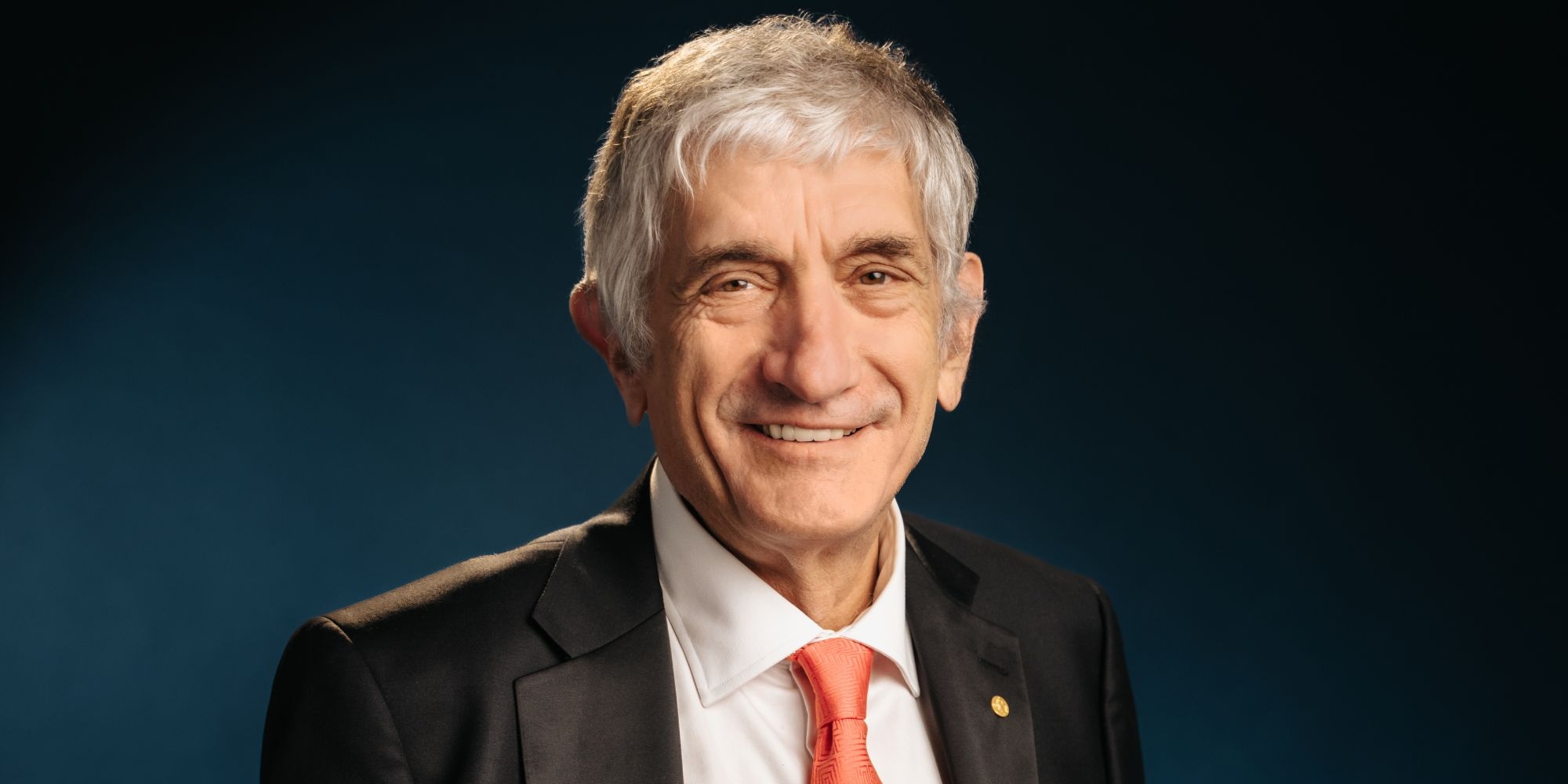
Strap a Rocket to the Horse
A Nobel Prize-winning physicist looks back on the circuit that stood in for an atom and tells students to keep doing their own problem sets in the age of AI.
Issue 5
Shivers Down the Spine
A Yale doctor and sociologist who first saw Saturn's rings as an eighth-grader says scientists owe a debt to the taxpayers who fund their work.
Issue 5
The Data Will Tell You
The Freakonomics economist describes how he caught sumo wrestlers and teachers cheating, and defends his finding on abortion and crime.
Issue 4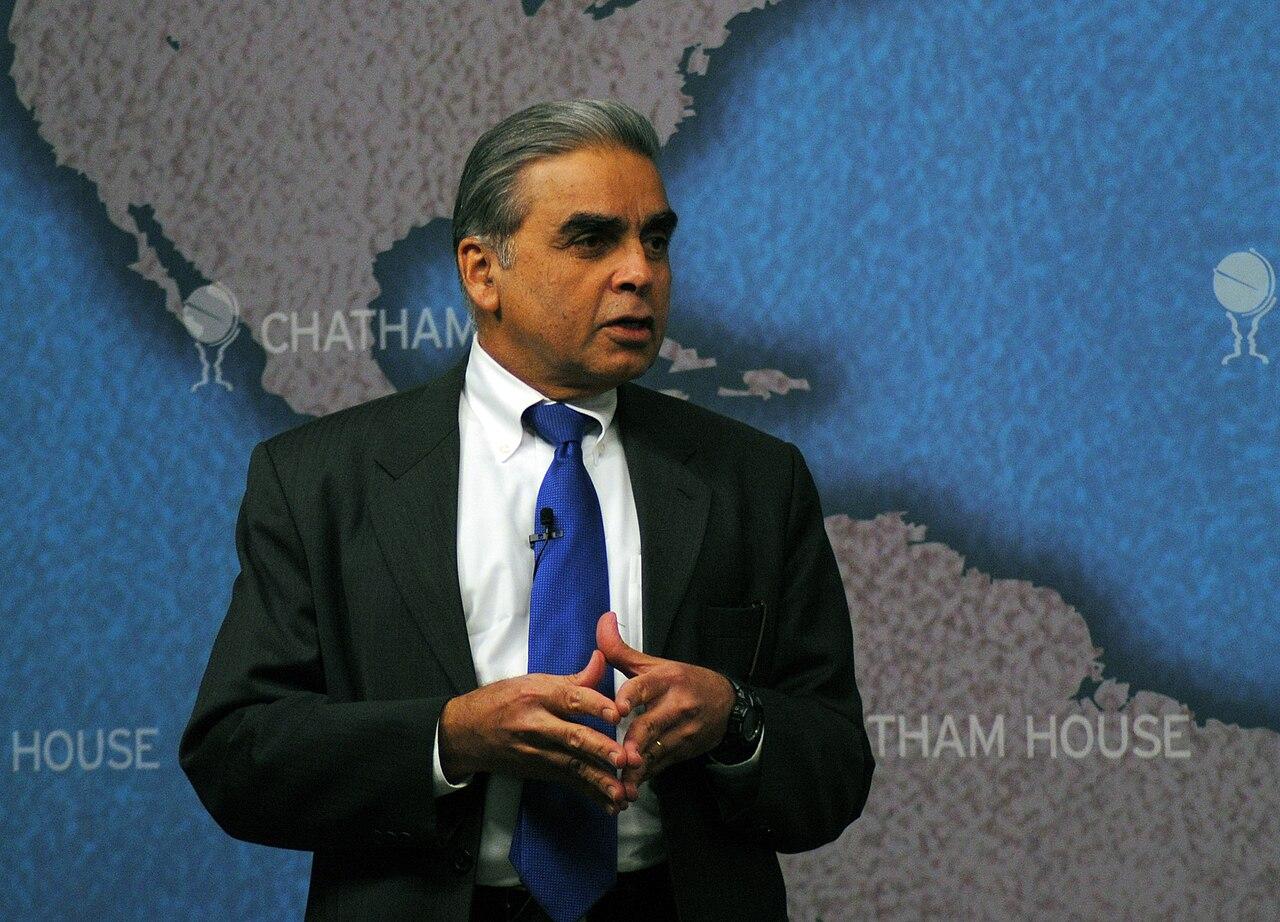
The Balance Has Shifted
A former President of the UN Security Council says the West misread China's rare-earth restrictions and calls Vietnam Asia's most underestimated emerging economy.
Issue 5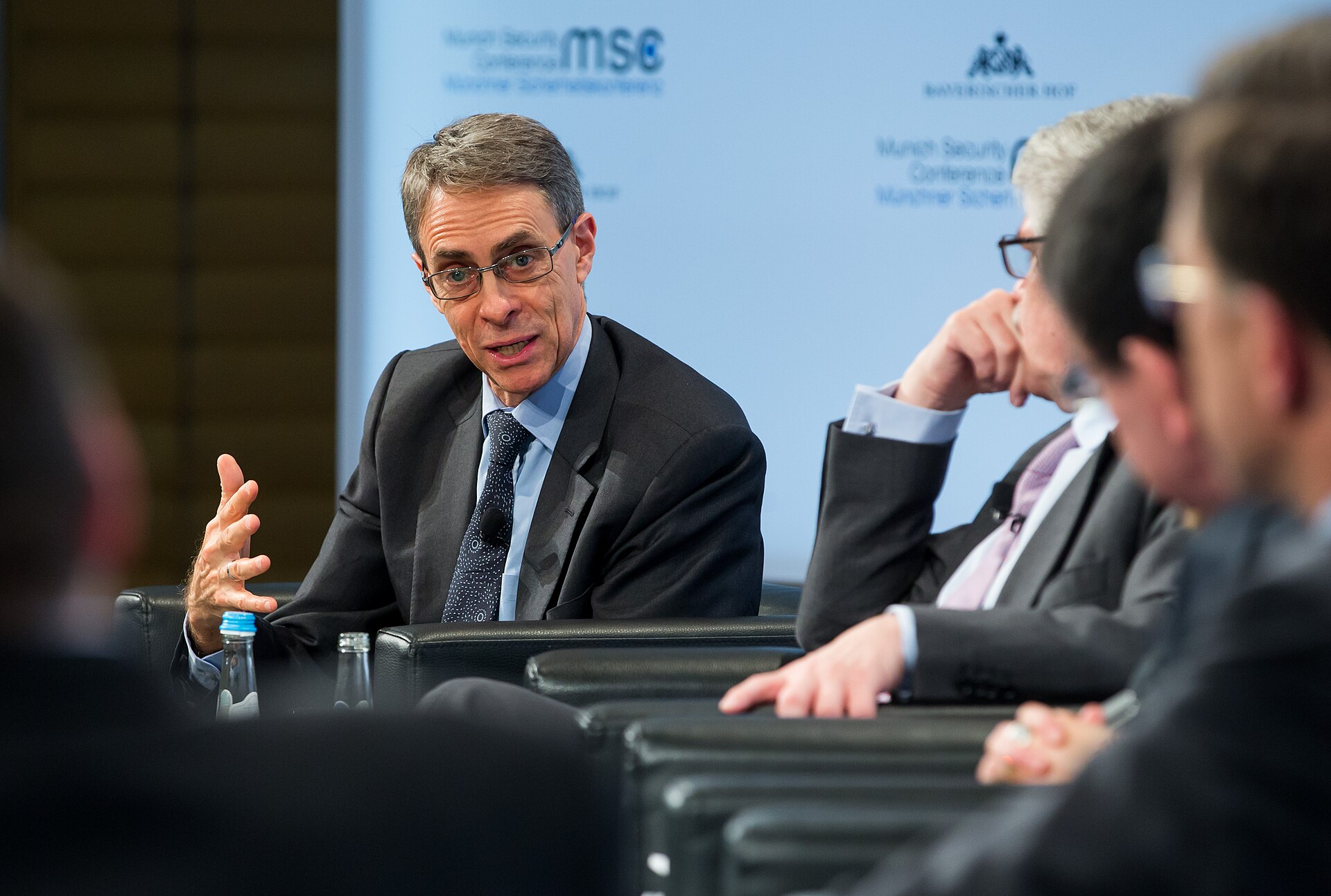
Shame, Reconsidered
Shaming works because even Trump and Xi pretend to respect human rights, says a former head of Human Rights Watch, who wants allies held to the same standards.
Issue 4
The Lesson Banks Won’t Teach
A Bloomberg financial journalist argues that financial literacy courses blame people for poor financial results when an industry that profits from those results is responsible.
Issue 5
The Weighing Problem
A German economist says politicians and economists argue less about the numbers than about whose gains matter more than whose losses.
Issue 3
Universal Capital, Not Income
A Greek MP argues basic income won't be enough once AI displaces labour, proposing housing, dividend-paying capital, and a personal AI agent for everyone instead.
Issue 2
Your Attention, Spent
A philosopher who builds mathematical models of human behaviour maps the attention economy through three character types.
Issue 2
What Bans Don't Stop
A Toulouse economist explains how bans on drugs and migration can backfire, and how legal cannabis and temporary work visas can undercut dealers and smugglers.
Issue 4
When Votes Don't Matter
An Icelandic economist ties the stalled rollout of a constitution backed by two-thirds of voters fourteen years ago to the resource curse playing out inside a wealthy democracy.
Issue 2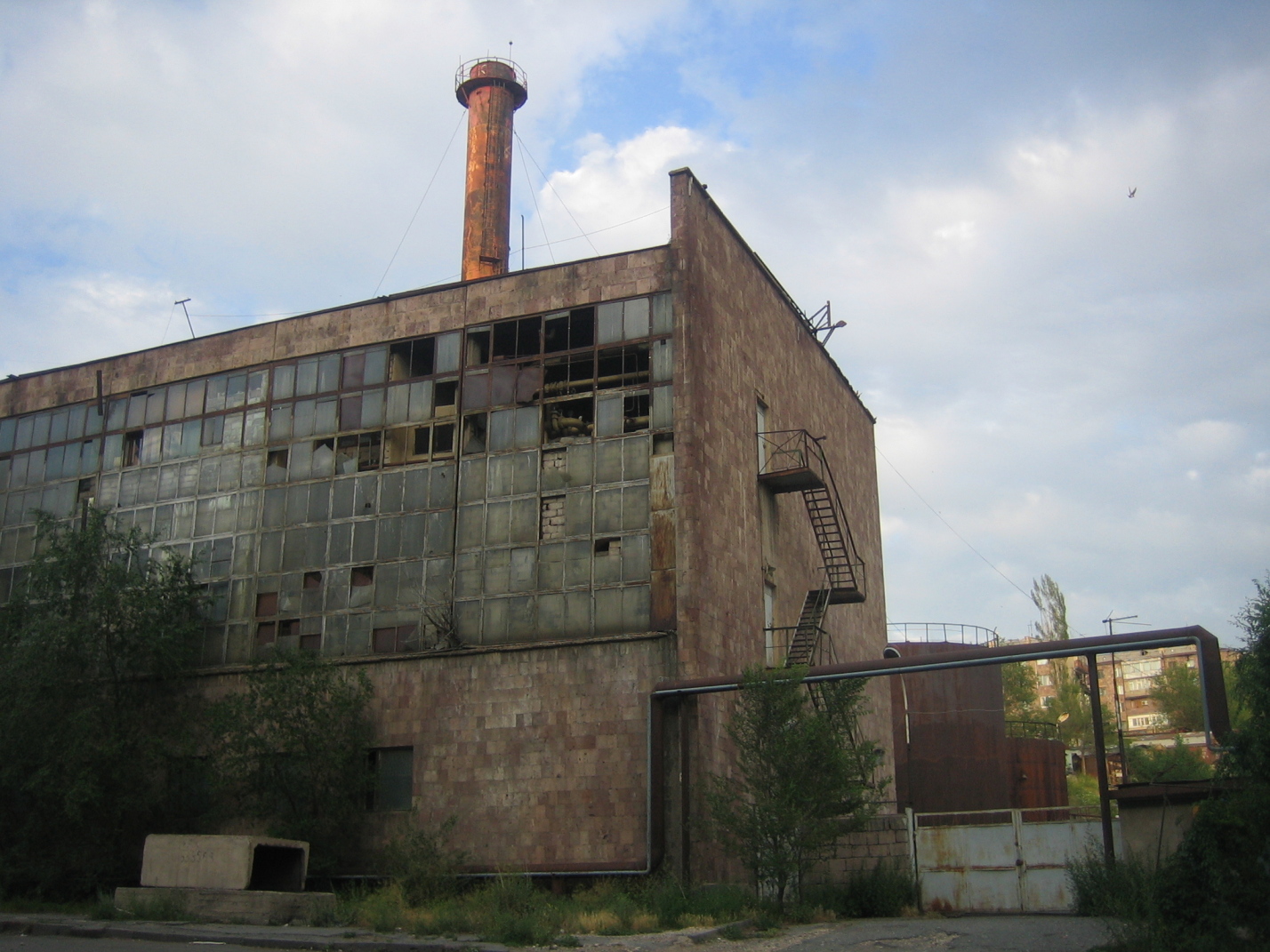
The Economics of the Living Dead
Georgia's former economy minister explains why failing Soviet-era firms survived for years, and calls for strict bankruptcy laws.
Issue 4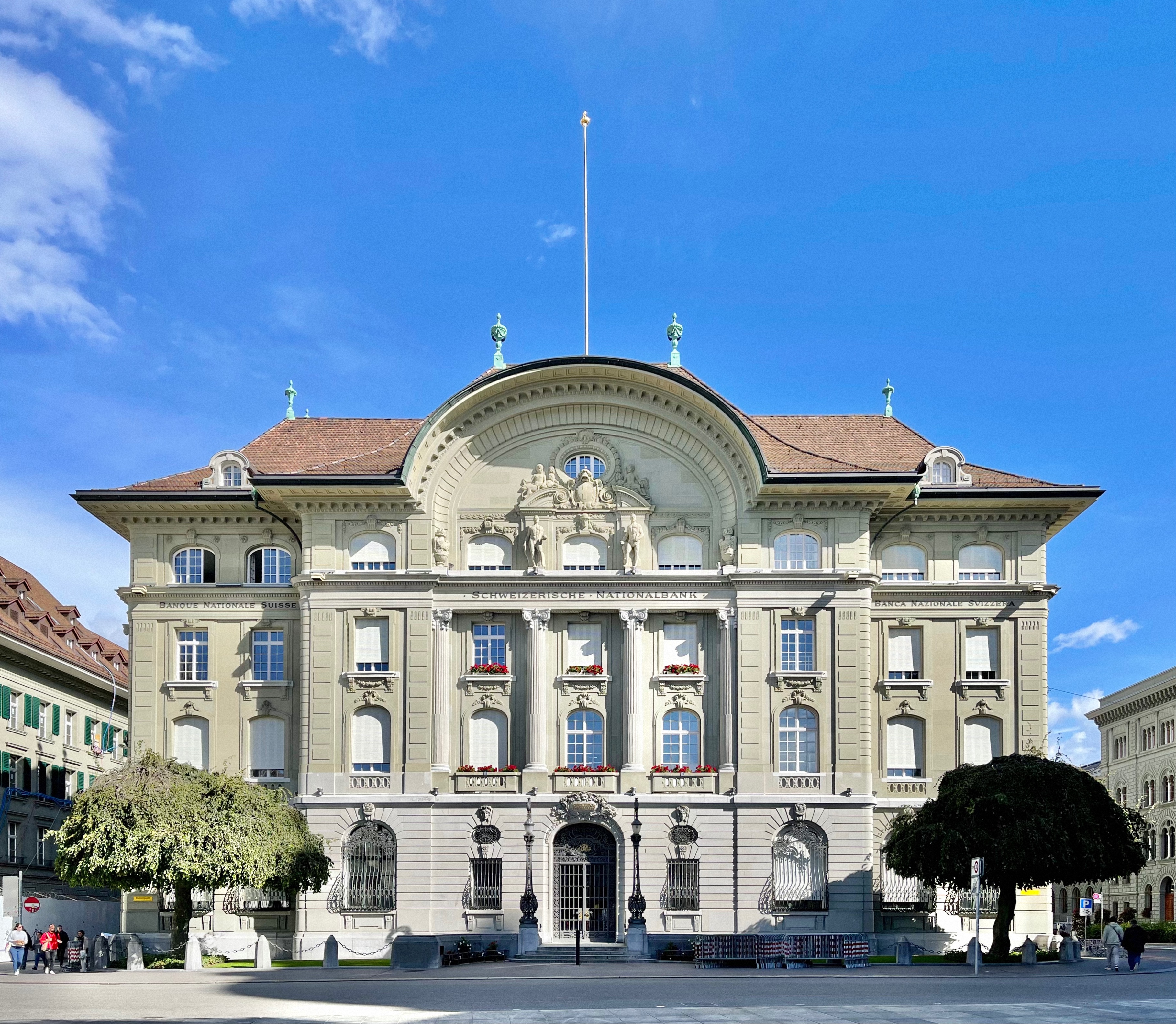
A Country-less Currency, and a Country Drowning in Its Currency
Why the dollar is used to price trade between other countries, and how demand for the Swiss franc left Switzerland's central bank with the world's largest balance sheet relative to its economy.
Issue 2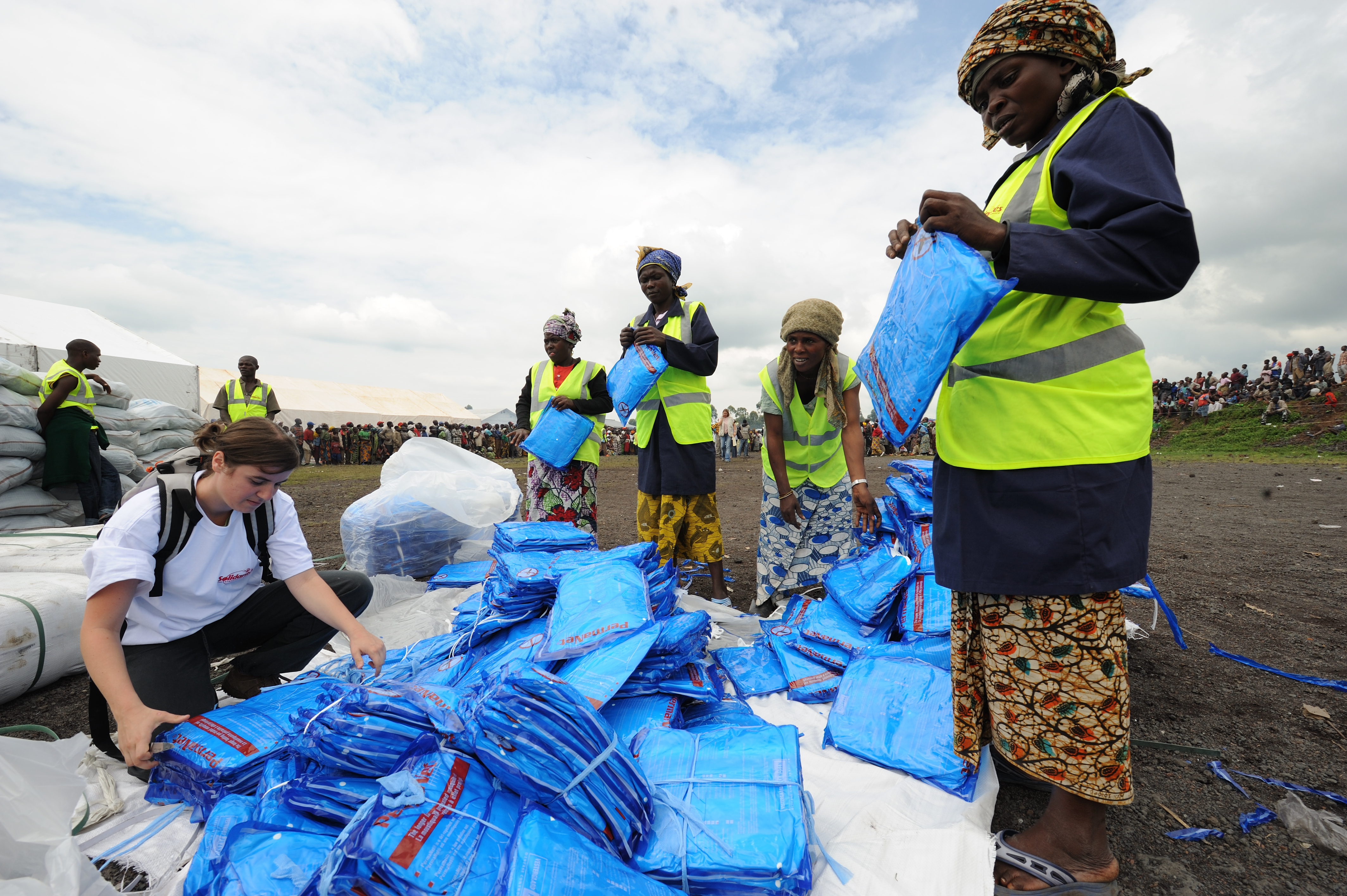
What You Owe When It Costs You Nothing
A philosopher says the question to ask is whether your life would get worse if you gave away some surplus, and applies it to effective altruism and net zero.
Issue 3
Ethics Is Like Breathing
An economics professor with 45 years of teaching says economics cannot be free of values, because choosing a policy goal is an ethical decision.
Issue 3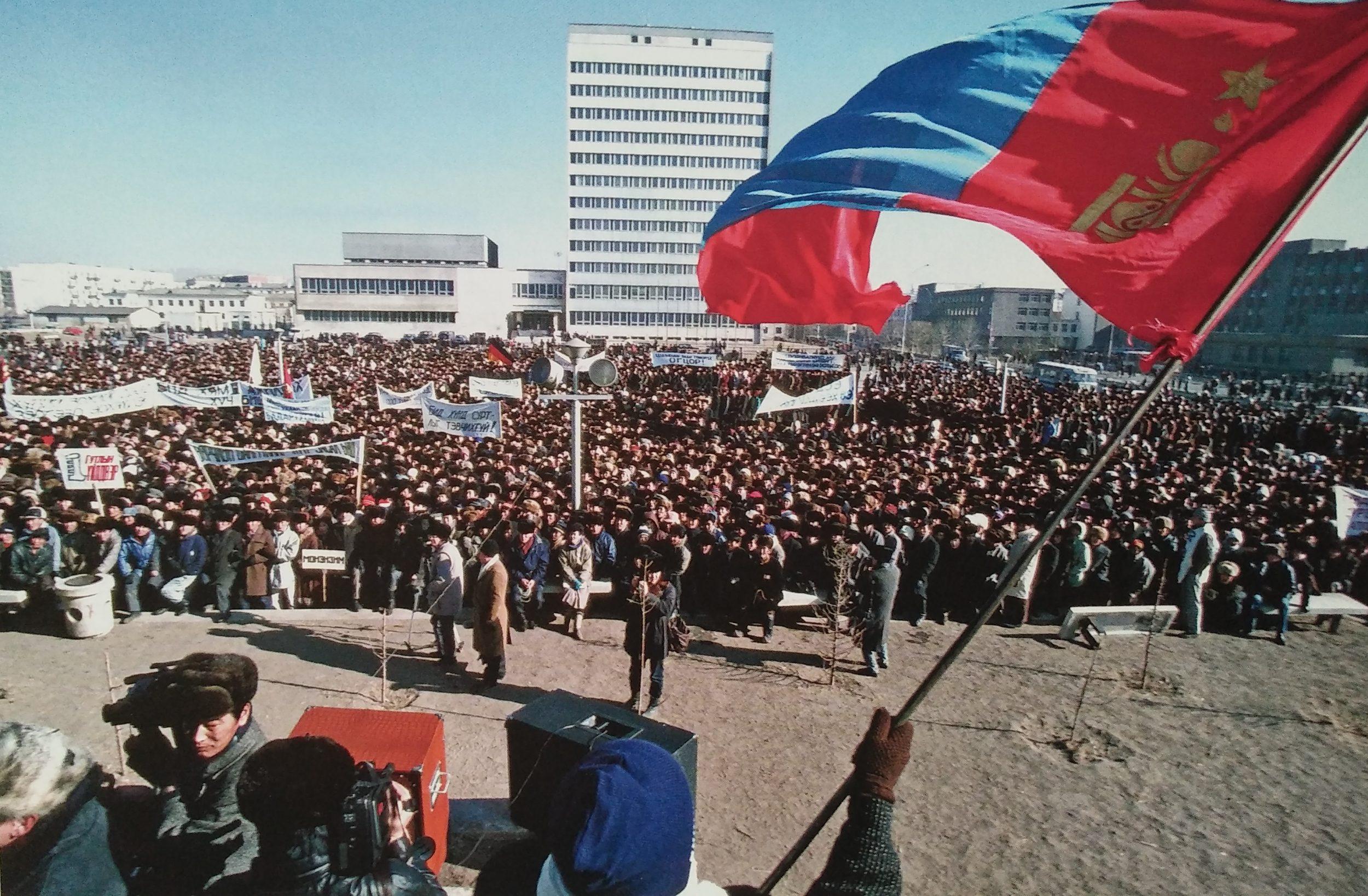
Six Months, Six Years, Sixty Years
The chair of the Bank of Mongolia’s Supervisory Board describes the risks of running a central bank in a young democracy and argues that unequal votes need fixing.
Issue 4
Little China or Southeast Asian Original?
A former UN economist explains how Vietnam grew and why its banks and universities lag, and says it differs from China.
Issue 4
Problem First, Money Second
Africa already has the resources and giving traditions to fund its own development, a Johannesburg professor of philanthropy argues.
Issue 5
What AI Doesn't Destroy
AI is wiping out some job tasks and leaving others alone, and the ones left standing are becoming more valuable.
Issue 2
What We “Shouldn't” Love
A philosopher on why patriotism feels good but falls apart once you try to defend it logically.
Issue 2
The Best Investment of Your Life
Limited access to credit holds back education, and the Israeli conflict costs about 30 per cent of GDP, according to a Hebrew University economist.
Issue 4
What States and Deeds Can’t Do
An Egyptian political economist explains how Middle Eastern states can be both authoritarian and weak, and why formal property titles won't fix it.
Issue 2
Bermuda’s $59 Million Worker
An economist explains how multinationals move profits to places like Bermuda, and says they are productive but increase inequality.
Issue 3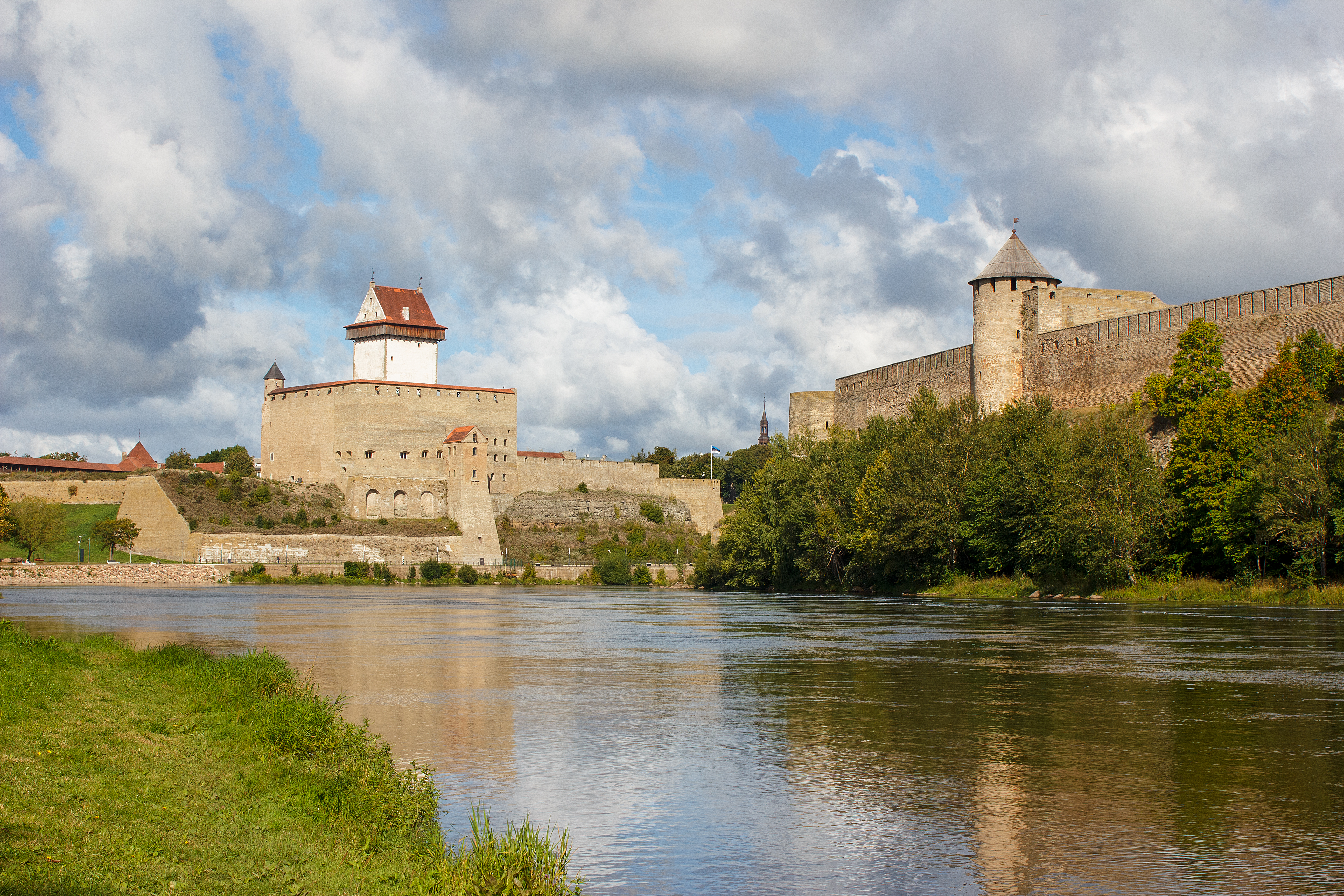
The Battle Nobody Declares
A scholar in Estonia explains how Russia spreads disinformation in the Baltic states and what separates information war from hybrid and cognitive warfare.
Issue 3
Follow the Money
A researcher of tax havens explains how multinationals avoid tax and says following the money shows who holds power.
Issue 3
Built to Fail
Lebanon's power-sharing system, designed to stop any one sect from dominating, has made reform very difficult and is a major part of the country's problems.
Issue 2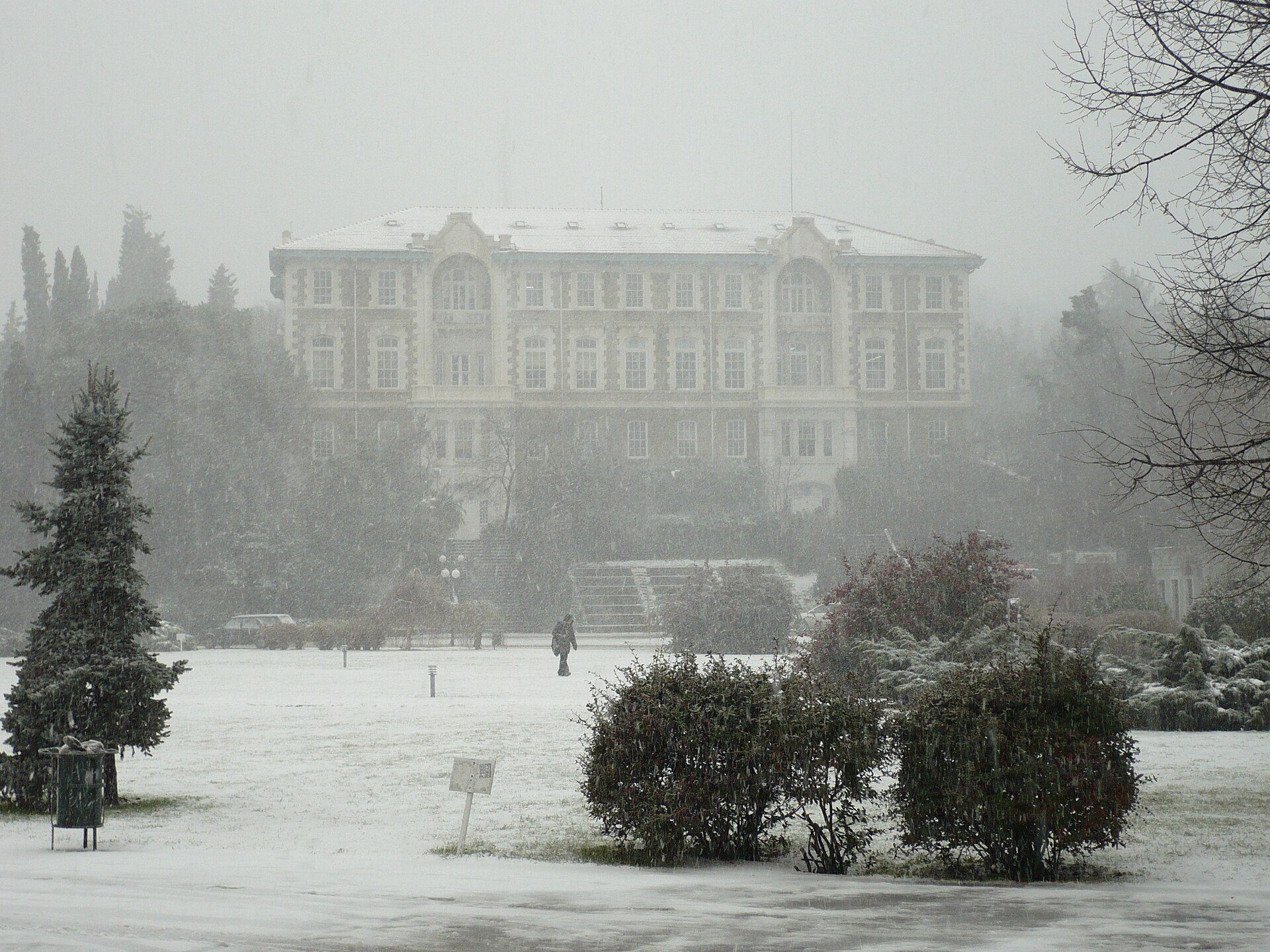
Economic Models Can’t Vote
What an economic model tells a government to do and what that government can get away with before an election are often two different things.
Issue 2
The Banana Myth
A political economist uses the story of EU banana rules, which companies and member states pushed for, to show who writes EU law.
Issue 3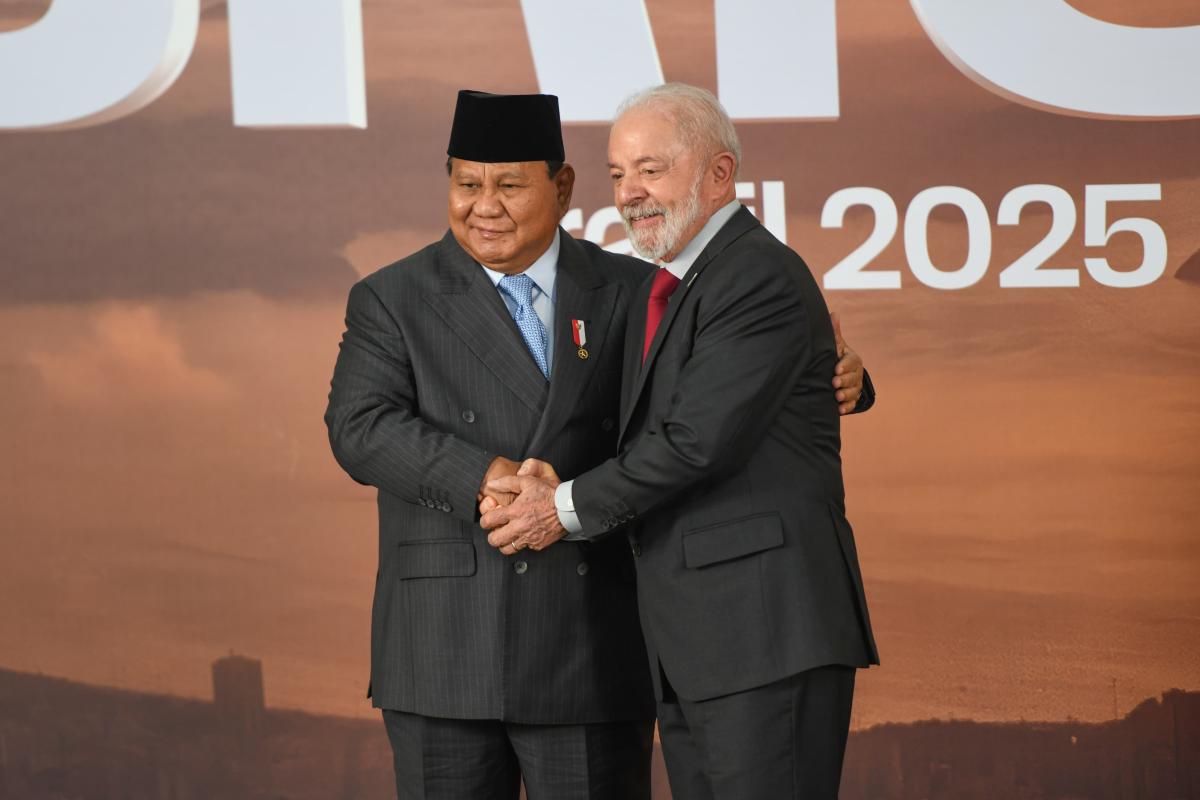
Neither Washington Nor Beijing
An Indonesian professor explains what joining BRICS means for her country and why balancing between Washington and Beijing is a deliberate strategy.
Issue 5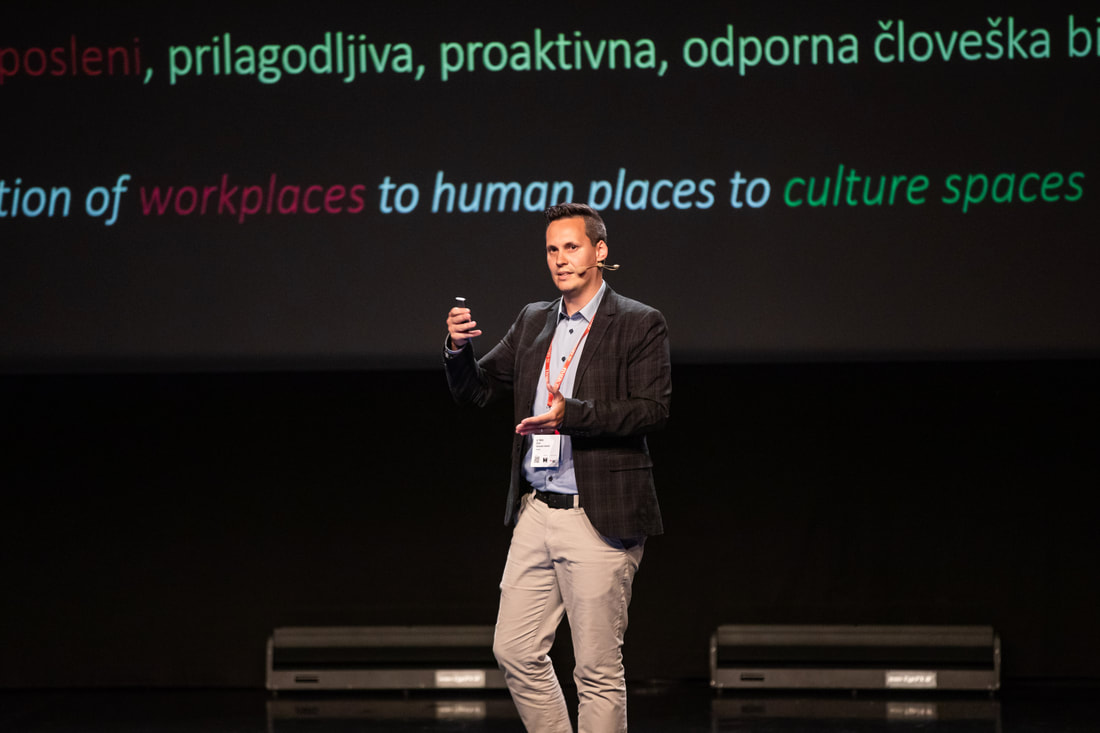
Cool Idea, Cool Impact, Cool People
A Ljubljana professor says creativity needs constraints, and that pressure backfires and even a few nights of poor sleep reduce it.
Issue 4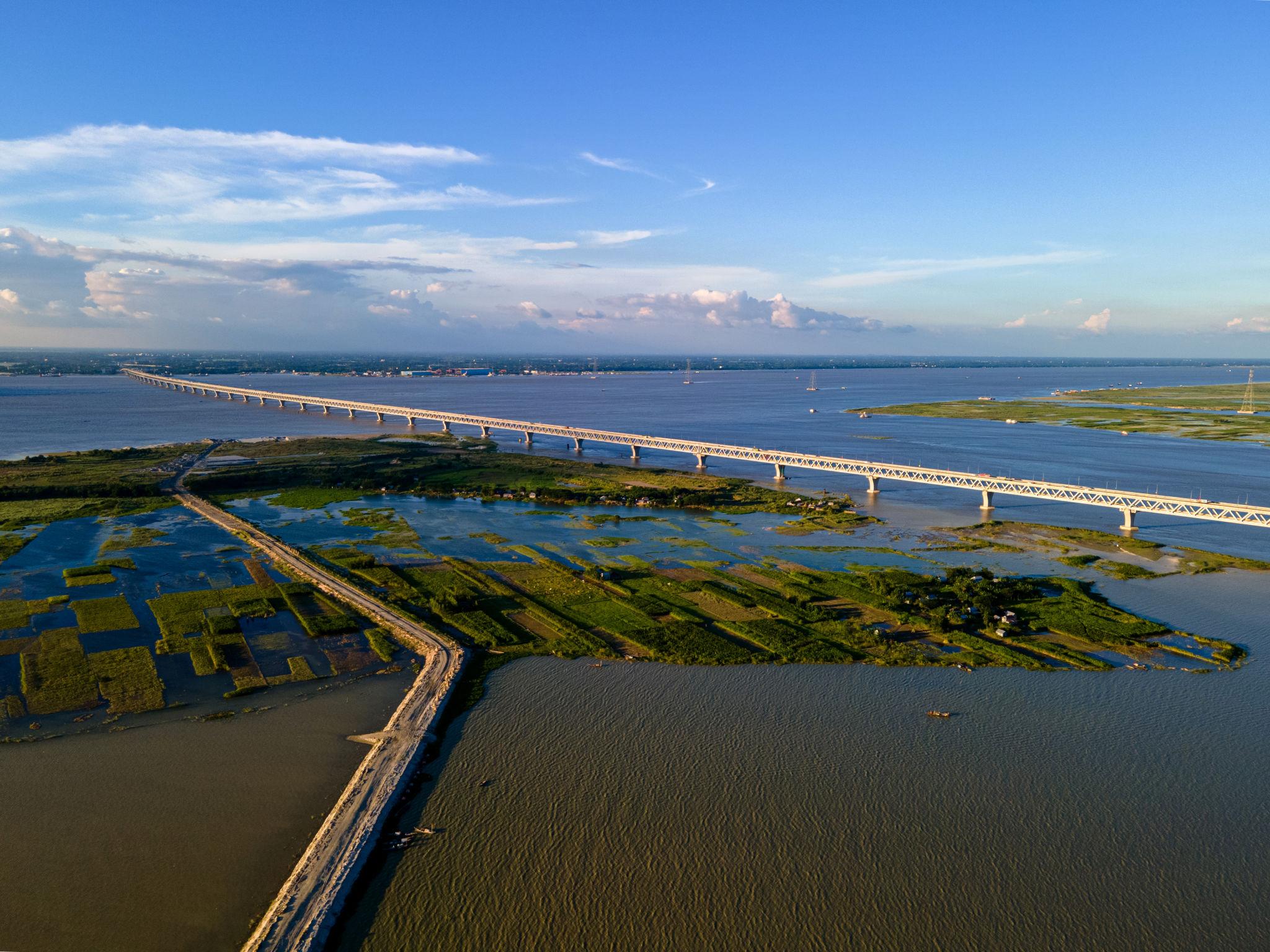
Small Country, Big Neighbours
Bangladesh balances India and China while keeping Japan and the West as partners, and a Dhaka scholar explains why its soldiers refused to fire on protesters in 2024.
Issue 4
Two Passions, One Question
A Colombian economist who once played football applies economics to pressure in sport and advises people to do work they enjoy.
Issue 3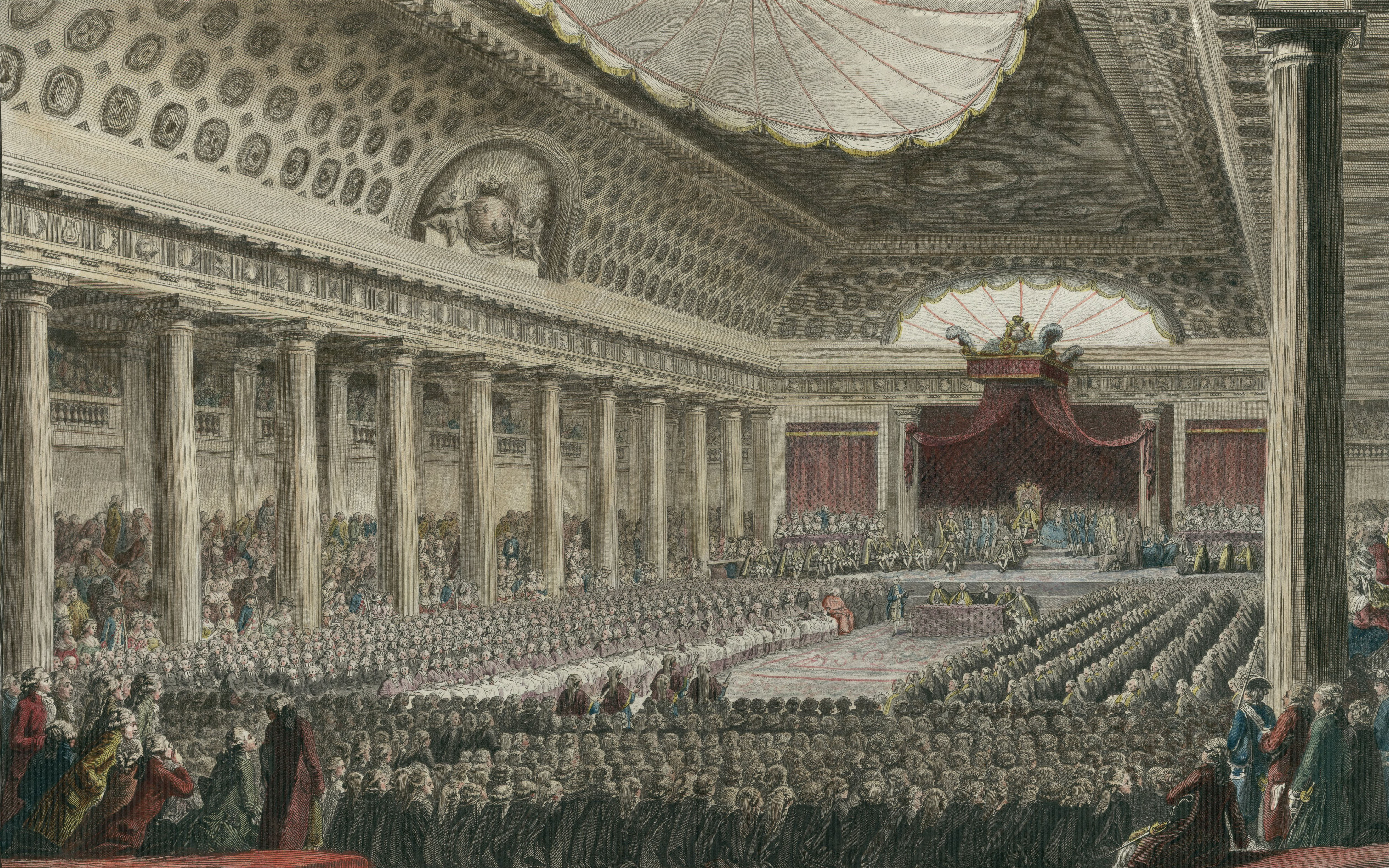
The Tax Collector on Horseback
A historian explains how war and the Church built European tax bureaucracies, and why who collects a tax affects whether people pay.
Issue 3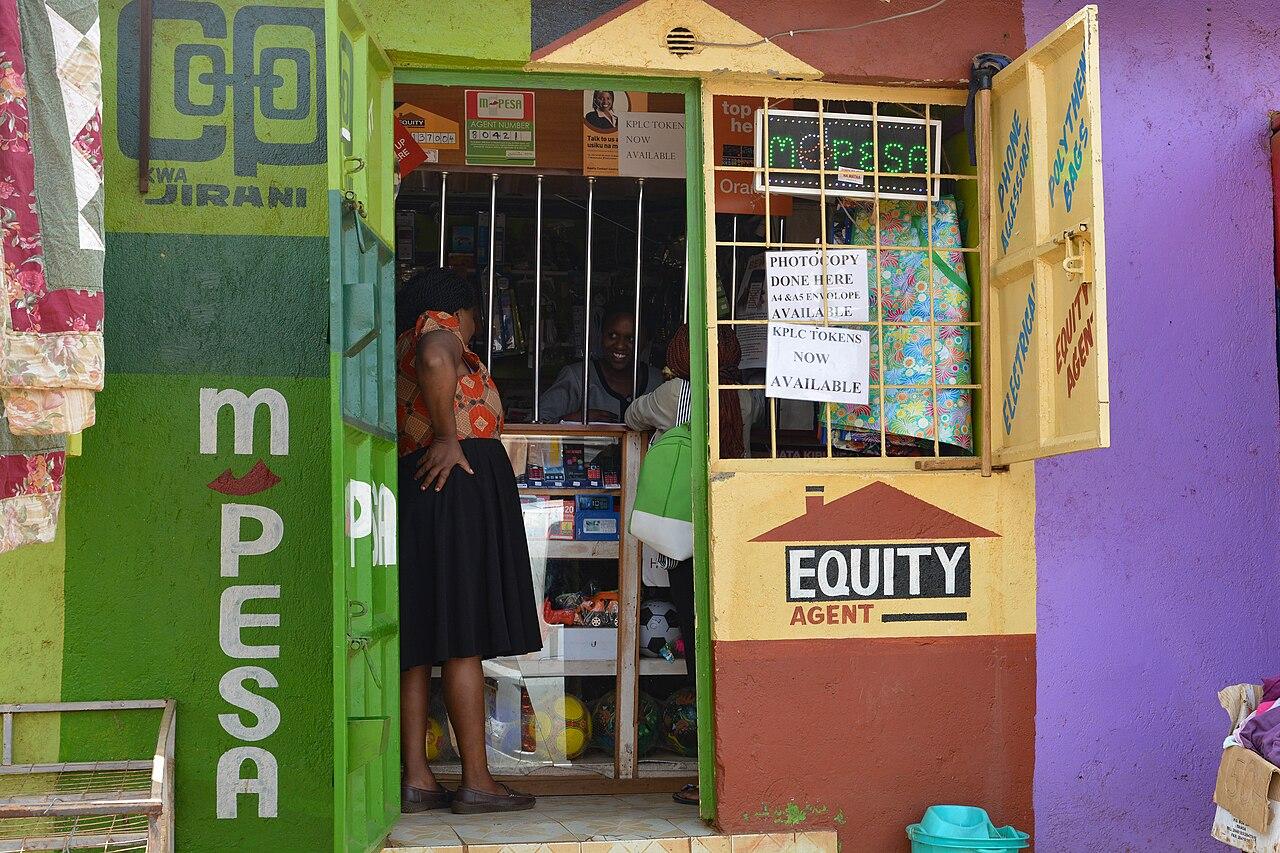
Where Is the Leisure?
Microcredit failed the very poor, and the unpaid care work of Kenyan women holds back the whole economy, according to a Nairobi economist.
Issue 5
Ethics Are the Scaffolding, Law Is the Building
A Moroccan legal scholar wants binding international AI rules built on ethics, since national laws cannot govern a technology that crosses borders.
Issue 4
Crypto’s Missing Floor
A Cypriot economist looks at why bitcoin lacks the floor that lets gold hold its value, and at what Cyprus learned after its banks failed in 2013.
Issue 5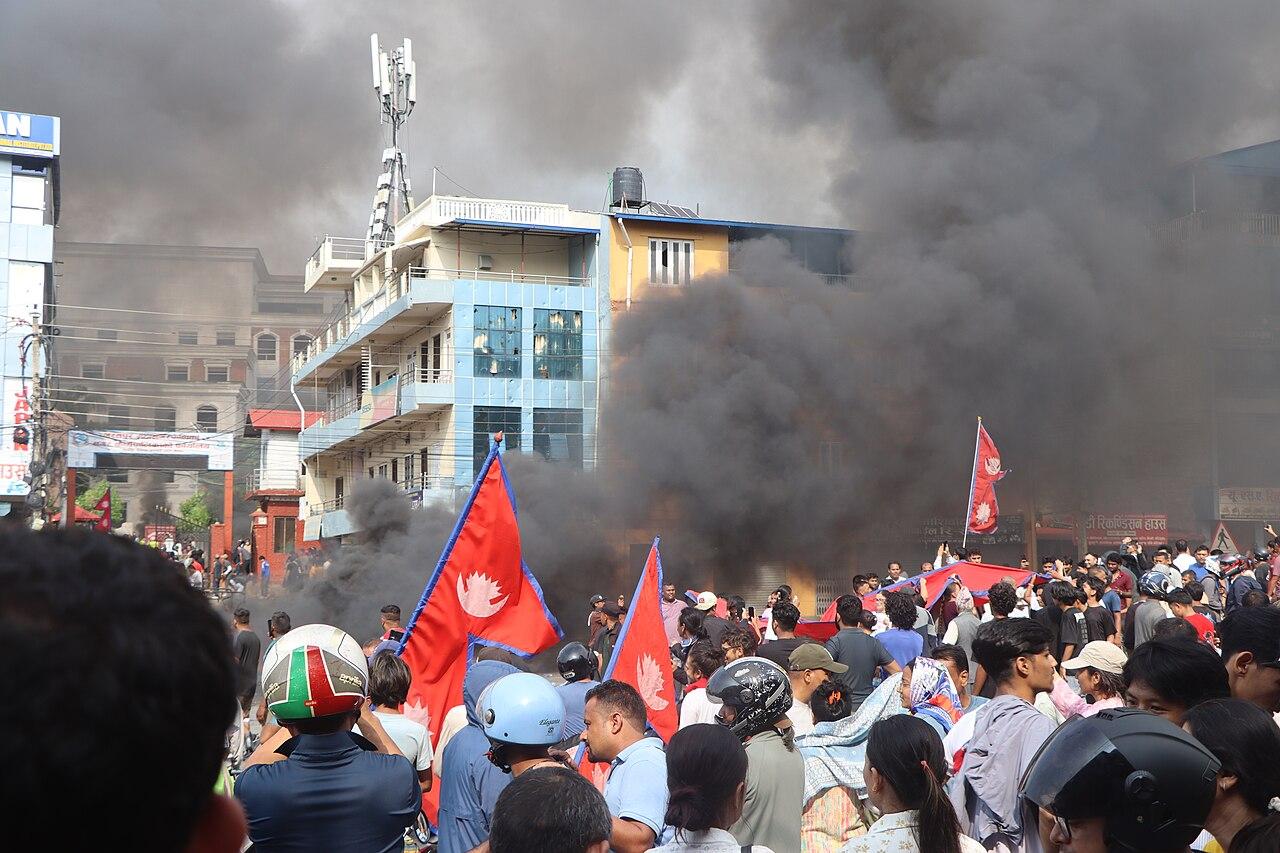
The Roaming Chair
A Kathmandu political sociologist looks at why Nepal's Gen Z protesters turned on all three main parties at once, and why life abroad often falls short of the dream.
Issue 5
Good Rules, Weak Enforcement
A Peruvian economist describes how deforestation spreads malaria and privatisation got Peru flying, and adds that good policies fail without enforcement.
Issue 5
The Price of Getting Caught
A Uruguayan economist says streetlights and jobs can cut crime more than long jail terms, because offenders rarely stop to think about getting caught.
Issue 5
Small Island, Big Shocks
An economist in Fiji explains why the islands' economy lurches from one crisis to the next and how AI forecasting could help a small nation plan ahead.
Issue 5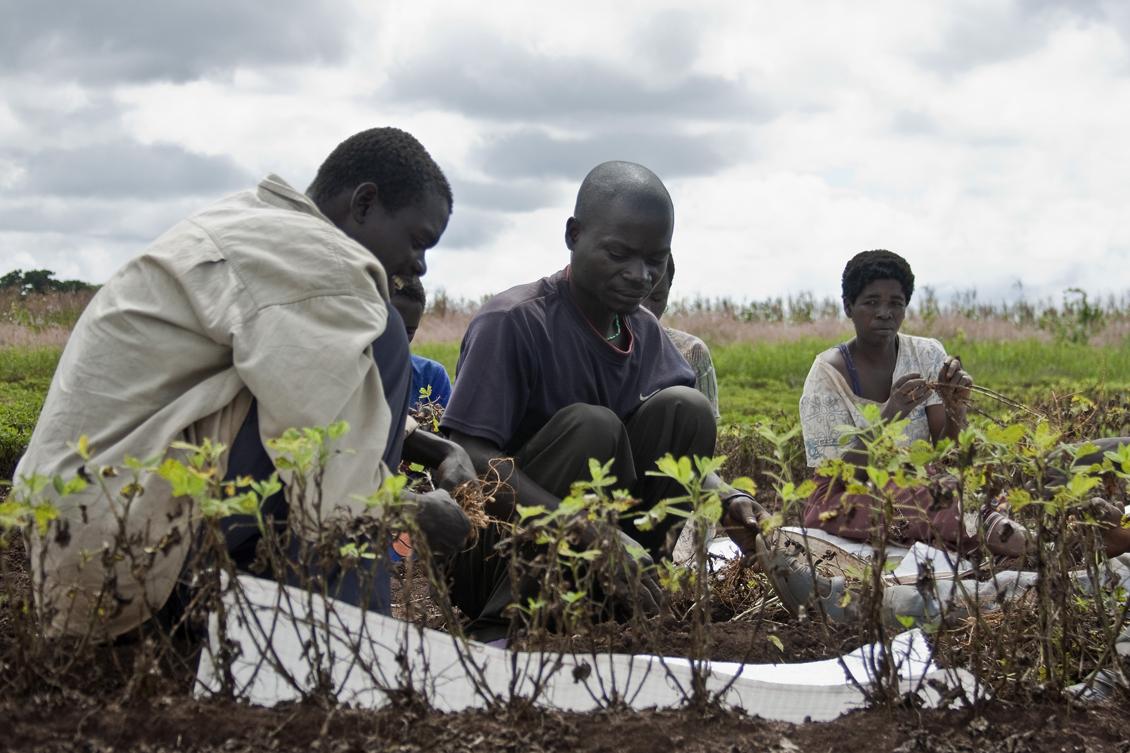
The Kwacha Squeeze
A falling kwacha pushes up food and fuel prices in Malawi, and access to credit decides who copes best, a Malawian economist explains.
Issue 5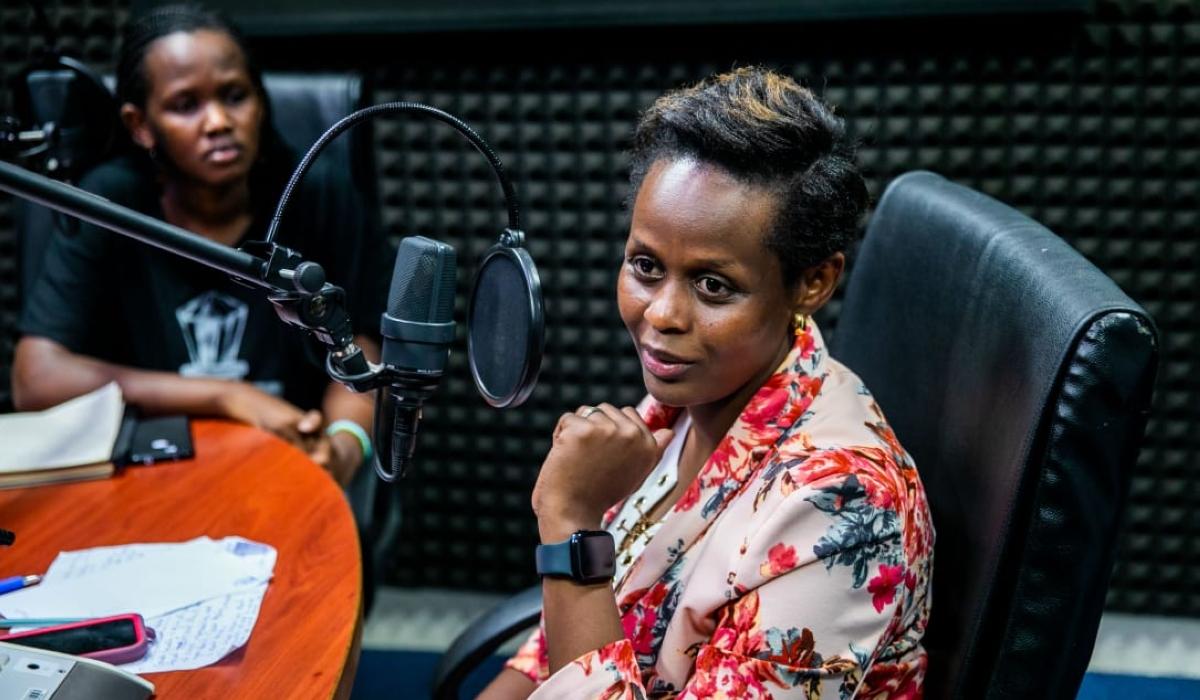
"You Can't, Because You Are a Girl"
The media reinforces gender norms and can also change them, says a Rwandan scholar, who uses radio coverage of the abortion law for minors as an example.
Issue 4
Logic Beyond the Canon
A Croatian philosopher argues that logic can test moral and political beliefs but cannot choose our values, and discusses Croatia's philosophical tradition.
Issue 4
The Bank Called Partner
A Jamaican economist discusses why speedy courts deter robberies more than murders, and why many Jamaicans prefer an informal savings club to a bank.
Issue 5
From Oil Rigs to Climate Tech
An engineer who once built offshore drilling rigs now works on a platform that connects Korean and Southeast Asian green-tech firms, and rates its impact at five out of ten.
Issue 2
The Evolution of Right and Wrong
A game theorist explains how morality can evolve, with universalist morals favoured where people meet once and particularist morals where they meet again and again.
Issue 3