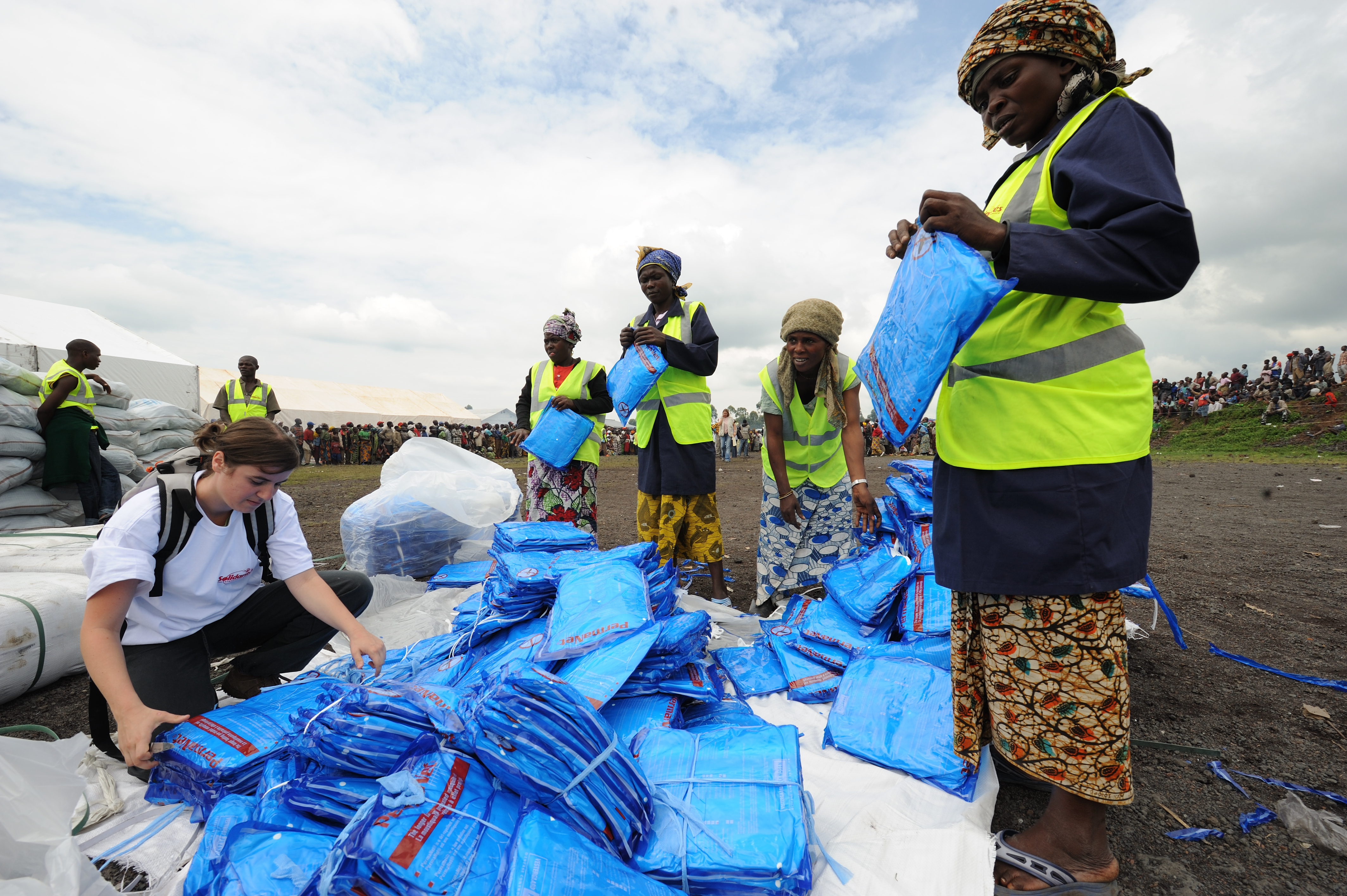
Problem First, Money Second
Africa already has the resources and giving traditions to fund its own development, a Johannesburg professor of philanthropy argues.
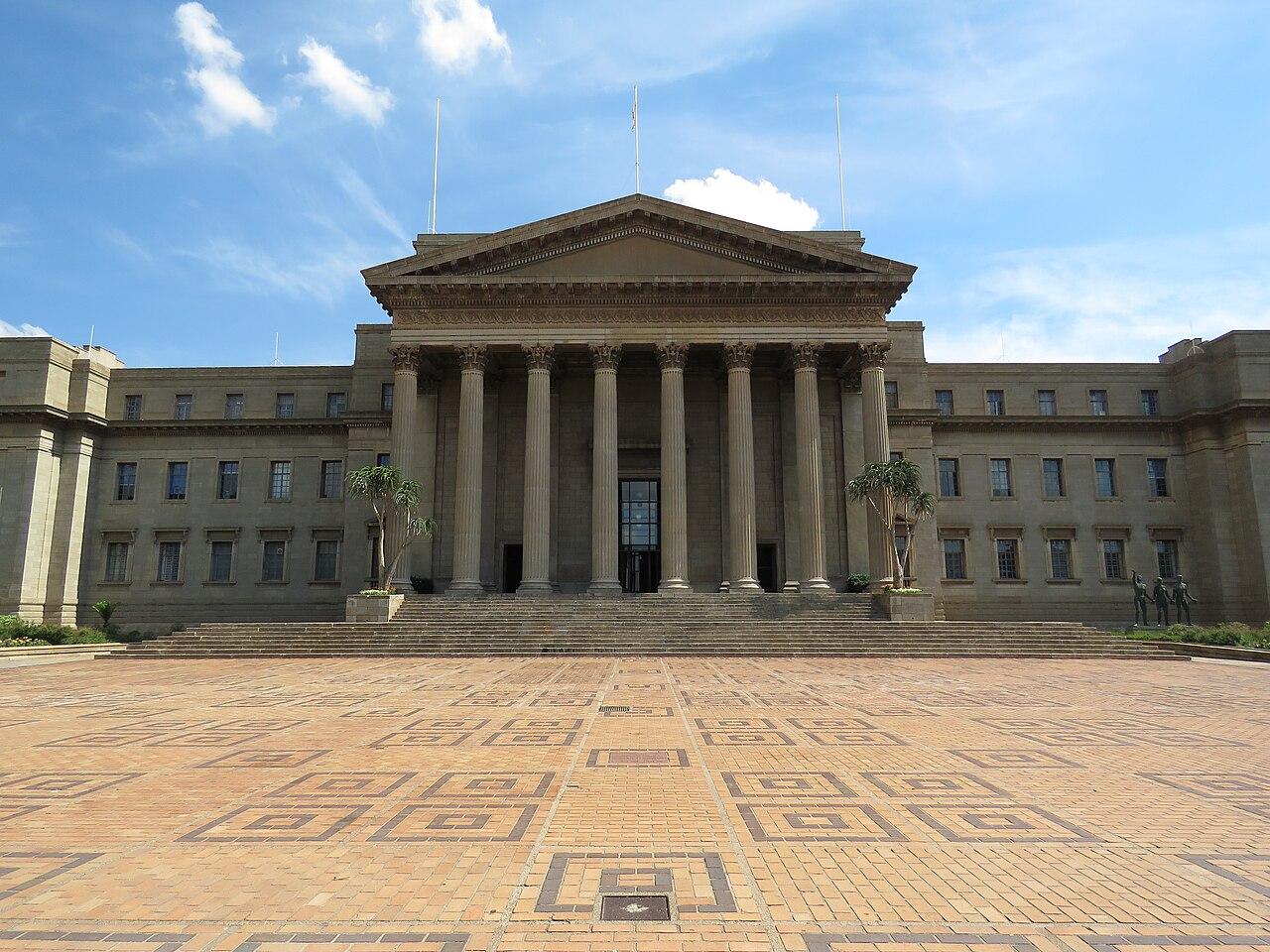

BHEKINKOSI Moyo is Director of the Centre on African Philanthropy and Social Investment (CAPSI) and an Adjunct Professor at Wits Business School, part of the University of the Witwatersrand in Johannesburg. Before returning to academia he worked for grant-making foundations across the continent, and he was a founding council member of the African Union Foundation, a fund set up to support the development work of the African Union.
His argument cuts against a picture many teenagers in Britain will have absorbed from charity adverts: that Africa is a place that receives help rather than one that gives it. We asked him what African philanthropy really looks like, what stops the continent funding its own development, and why he thinks every teenager is already a philanthropist.
The Confluence: Could you introduce yourself to our readers: your background, what you work on, and why you got into it?
Dr. Moyo: My name is Bhekinkosi Moyo. I am based at the University of the Witwatersrand, in particular at Wits Business School in Johannesburg, South Africa. I am currently Director of the Centre on African Philanthropy and Social Investment, as well as Professor of Philanthropic Studies at the same university.
I studied at Wits for my master's and my PhD more than 20 years ago, and then went into practice, working for philanthropic organisations, mainly grant-making organisations such as TrustAfrica and the Southern Africa Trust. During that time I also worked across the African continent on civil society, governance, democracy and pan-Africanism. Around 2014 I set up a chair [a dedicated professorship] in philanthropy at Wits Business School, and around 2018 I turned it into the Centre, which I have been running since.
The Confluence: When most of our readers hear "philanthropy" or "aid for Africa", they probably picture Western donors and international NGOs. Your work is specifically about African philanthropy. What does that actually mean, and how is it different from that image?
Dr. Moyo: The whole idea behind setting up the chair, and later the Centre, was to reverse the narrative that philanthropy in Africa is simply a mirror of what the Western world does. We wanted to show that Africa has its own ways of helping, its own ways of building solidarity and showing care. The word philanthropy means love of humanity, and we wanted to demonstrate that this exists in Africa too: each community, each family, each nation has its own ways of expressing it. So the difference is not in the concept of philanthropy, which is universal, but in how it is defined and practised.
In Africa, we usually start with a problem: we identify a need, and then mobilise resources to solve it. In the Western world, it is often the opposite. Someone amasses a lot of resources and then goes looking for a problem to solve, which is why you see ultra-high-net-worth individuals travelling to Africa or Asia, spotting problems, and then deciding how to spend their resources on them. That is the first difference in practice: what motivates the giving.
The second is the narrative itself. The hierarchy has traditionally started with North American philanthropy, followed by European philanthropy, with African philanthropy right at the bottom. We wanted to reverse that and show that African philanthropy sits at the same level as any other: American, Latin American, Caribbean, Chinese, Indian. They all share the same universality; the difference is how context has shaped its expression.
The Confluence: You have argued that Africa should rely more on its own resources than on external aid. What does that look like in practice? Is it about money, or about things like community giving and diaspora networks that do not get counted in the usual figures?
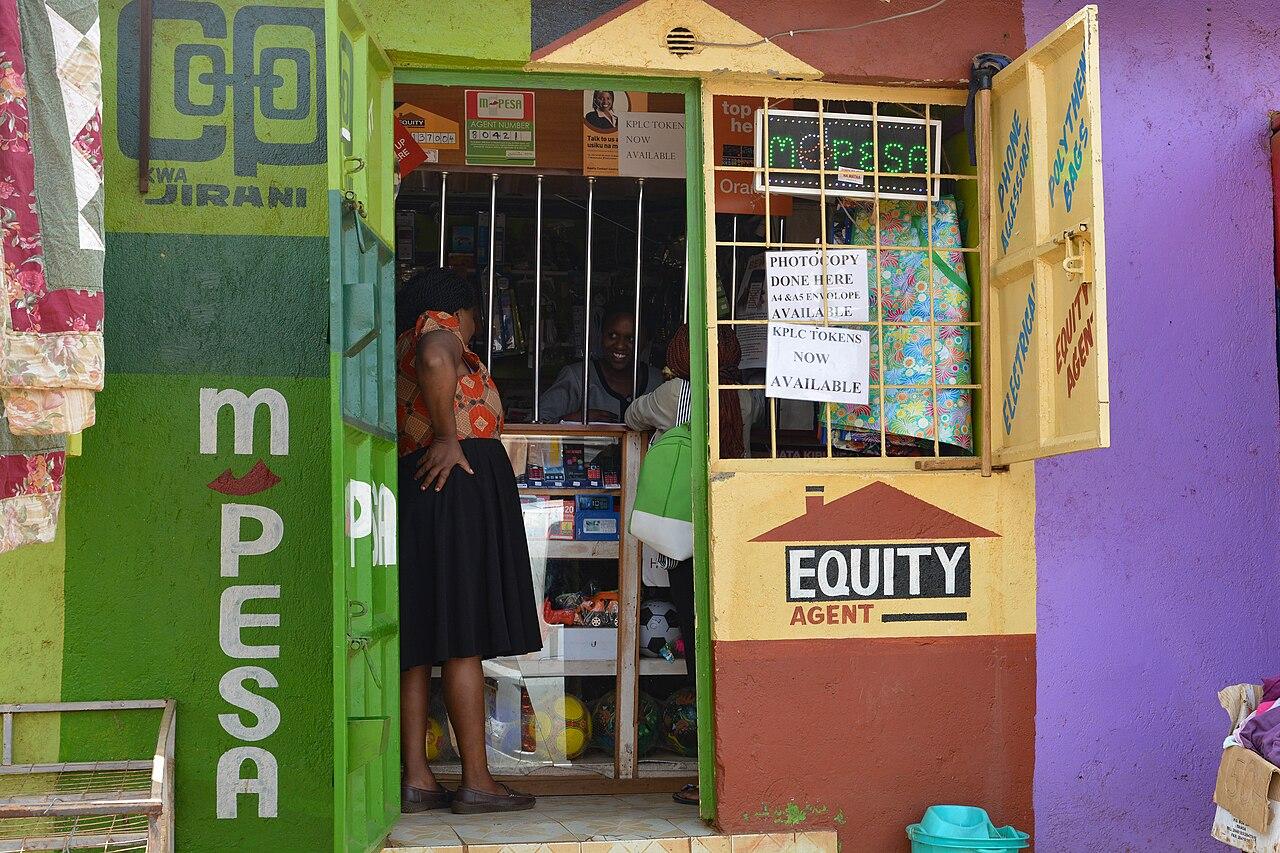
Dr. Moyo: It really comes down to what I would call African resources, and they come in a few parts. The first is the human resource: Africa has one of the biggest and youngest populations in the world, and that is a resource other continents do not have. The second is how life is organised. Africa is more communal than individualistic, which is captured in the philosophy of Ubuntu, "I am because we are." That means Africa's development really depends on its own people and resources rather than external aid.
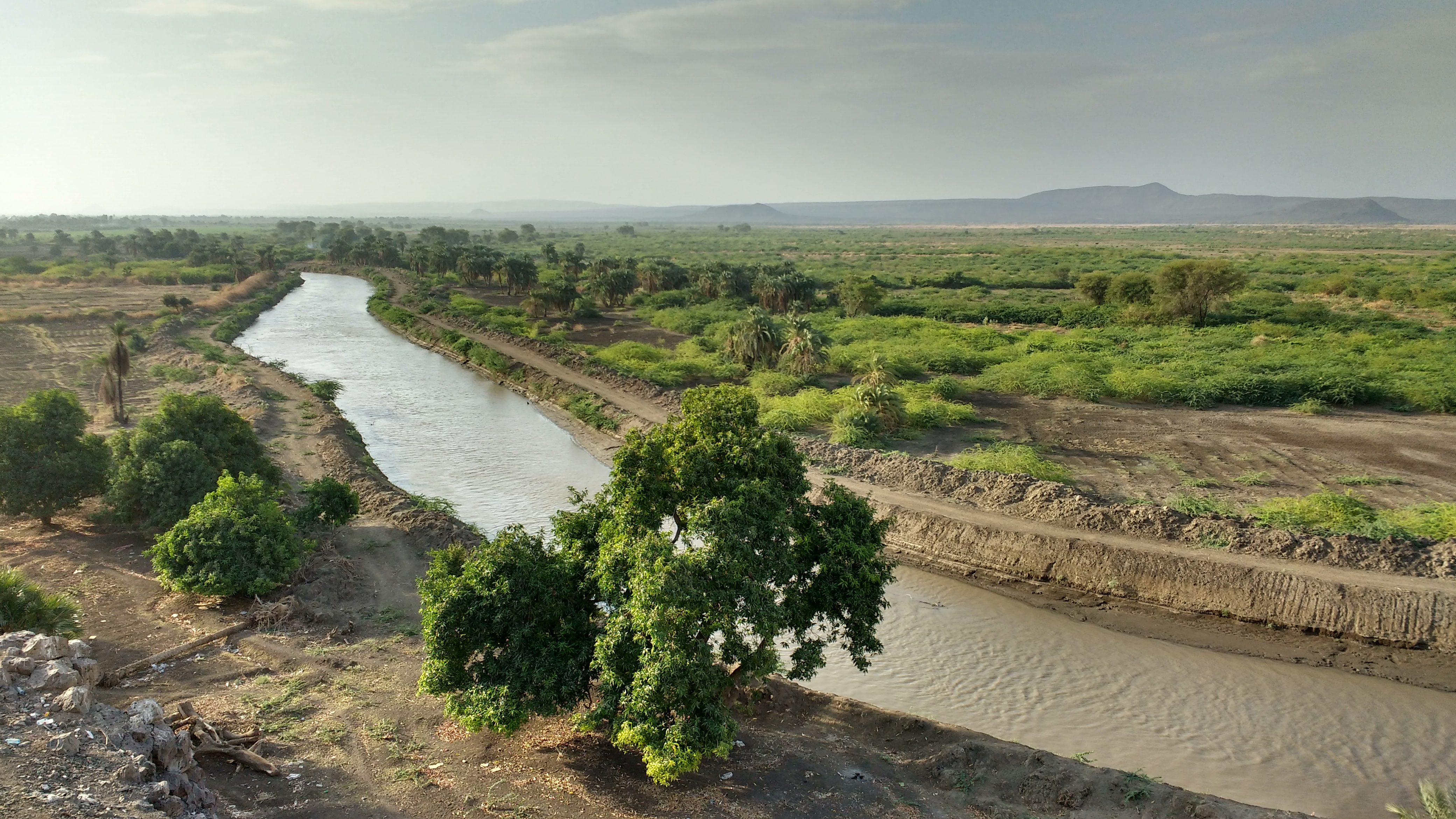
The third is natural resources. Africa is rich in most of the highly sought-after critical minerals: gold, lithium, chrome, iron and so on. Even the gadgets we use every day, and companies like NVIDIA, rely on minerals from the Democratic Republic of the Congo (DRC) and elsewhere on the continent. Africa has those resources; the problem is how they are managed. If Africa handled that properly, it would not need the external aid it currently depends on.
The last part is processes and governance. A report on illicit financial flows [money moved out of a country illegally] found Africa was losing about $50 billion a year through those outflows, more than the aid it receives. And if you look at the sixth region of the African Union, the diaspora, remittances sent back to African families, together with investments, range between $100 and $400 billion a year. So there are ways to talk about Africa depending on its own resources, its people, its natural resources and its solidarity economy, rather than on aid.
The Confluence: What would you say is the biggest obstacle to Africa funding more of its own development, and why does it persist even where the will and some of the resources already exist?
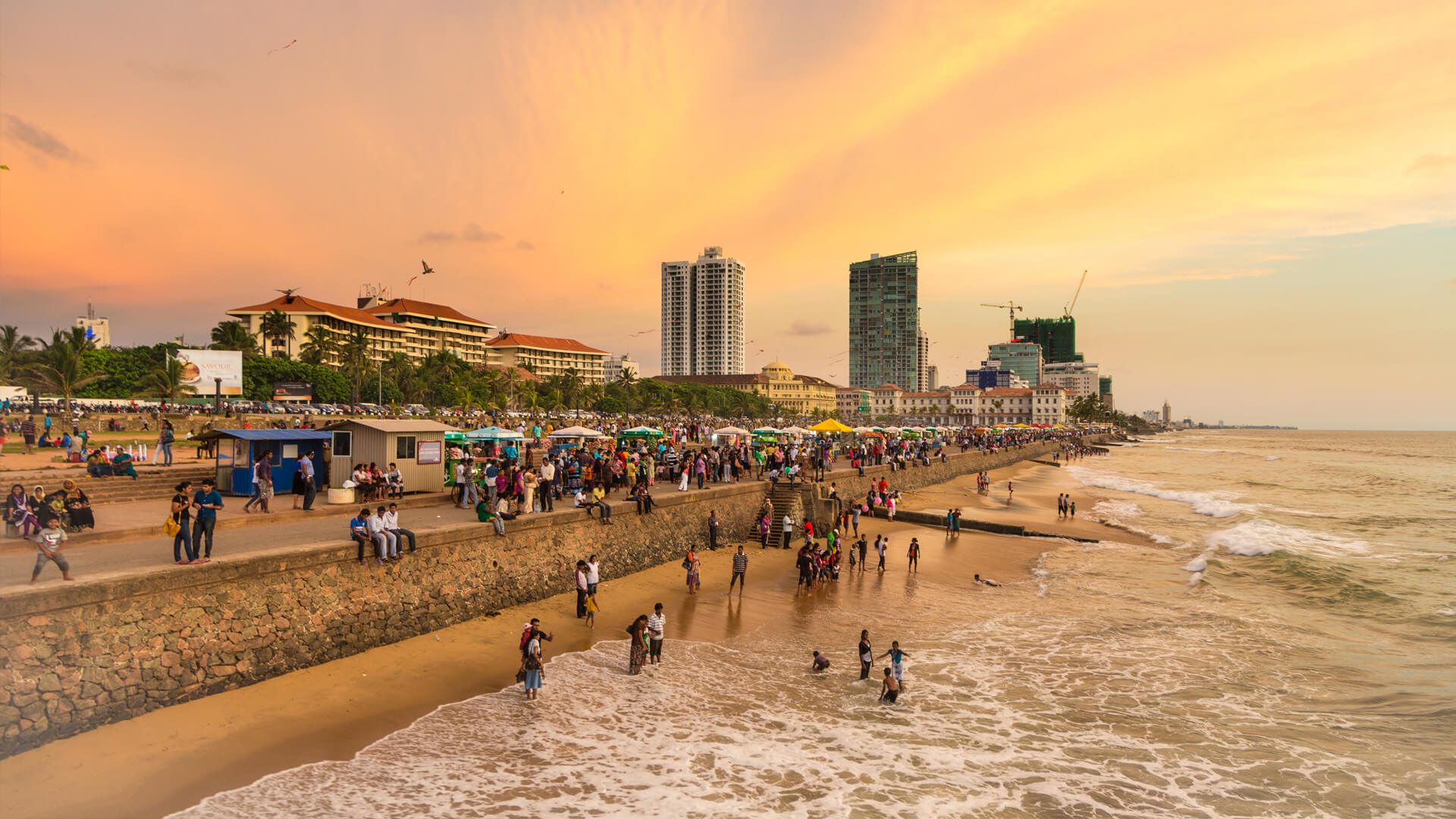
Dr. Moyo: I think the main one is leadership. If you look at countries with bold leadership, such as Rwanda, Ethiopia and now Burkina Faso, you see real development. Ethiopia, for example, has transformed the face of Addis Ababa over the last ten years and shown real economic vibrancy.
Compare that with countries that have huge resources, such as the DRC, Nigeria and to some extent South Africa, which are not as developed as one would expect given their size and resources. And contrast them with Asian countries like China, Singapore and Japan, which were once at a similar stage of development to African countries but have gone far ahead, largely because of leadership.
Leadership is tied to governance, and where governance is weak, development lags. That is one of the biggest issues Africa needs to sort out. Interestingly, it is not really a resources problem: we have an abundance of resources, including a youthful labour force, so it is not a manpower issue either. The real question is why we have not developed technologically, because we have everything needed to leapfrog into a digitally transformed continent. Mobile and internet penetration, and now AI, could propel Africa into a new stage if handled properly.
The Confluence: You were a founding council member of the African Union Foundation. What can a continent-wide philanthropic institution achieve that a single government or an individual NGO cannot?
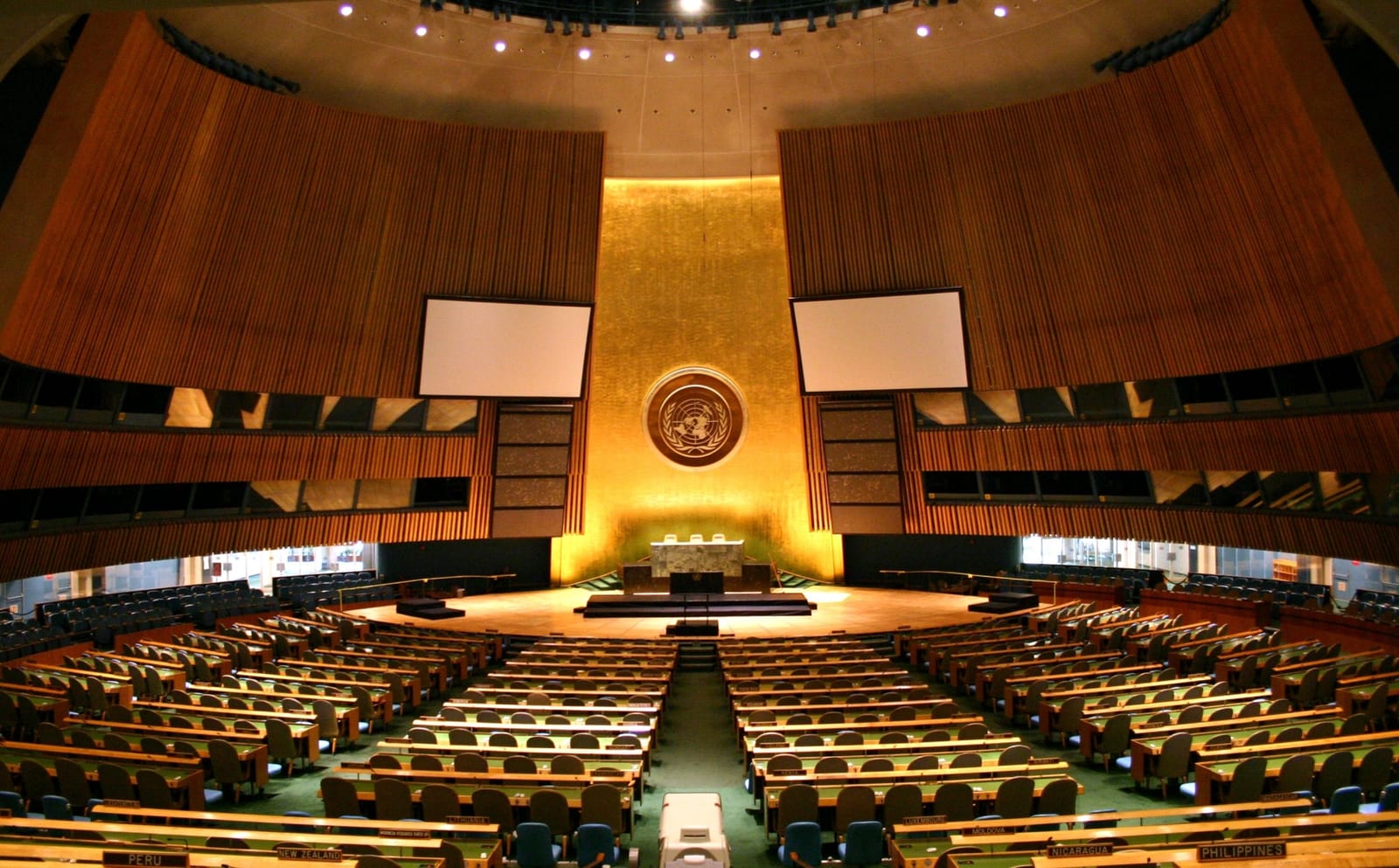
Dr. Moyo: I should say first that, because of changes in African Union leadership and priorities, the African Union Foundation is no longer operational. Once Nkosazana Dlamini-Zuma's term ended [she chaired the AU Commission, 2012-17], the idea lost its champion, and the new leadership did not prioritise it. When it was established, it was tied to Agenda 2063, the AU's 50-year blueprint for development, and it was meant to mobilise resources for Africa's development and support AU activities across the continent.
A good example is the Ebola outbreak in West Africa around 2013 to 2014, which struck Liberia, Sierra Leone and Guinea. The Foundation mobilised medical personnel from Uganda and other countries with experience of Ebola, mobilised the corporate sector across South Africa, Ghana, Kenya and elsewhere to raise money, and mobilised philanthropy from individuals and foundations, both within Africa and from outside.
A similar mobilisation happened again during COVID-19. The speed, convening power [the ability to bring groups together] and pan-African reach of a vehicle like that are much greater, and more credible, than anything a single NGO could achieve in one country. It is unfortunate the new leadership did not sustain it. I am hoping someone will revive it, because it is still a much-needed platform for mobilising Africa's own domestic resources rather than depending on the Global North.
The Confluence: Is there a common assumption in how the West thinks about giving to Africa that you think is genuinely counterproductive for development?
Dr. Moyo: I think the assumption has always been that the West gives and Africa receives, and that is far from the truth: both regions give to each other. When there are earthquakes in Japan or Haiti, one of the most visible organisations on the ground is Gift of the Givers, a disaster-relief charity based in South Africa. That debunks the idea that Africa only receives. Both can give, but they give differently. The West has simply documented, profiled and popularised its giving, while African giving has rarely been documented in the same way.
The second assumption is that African institutions cannot be trusted, which is why international NGOs have historically set up local branches in Africa to become the recipients of funding meant for the continent, displacing local agency [local control]. That is part of why organisations like TrustAfrica were established: to debunk that notion and demonstrate that African institutions are capable of managing resources themselves.
The third assumption is that resources are only abundant in the West. In fact giving within Africa, when you look at the numbers, compares well with giving elsewhere; it is just under-reported.
And finally, there is an assumption that philanthropy means money. It does not. Philanthropy is love of humanity, which includes time, resources and networks. If you have money but no relationship with your community, you may not even be able to bury your own loved ones without that community's help. So thinking of money as the only form of philanthropy misses the point. Philanthropy, holistically, is about humanity and solidarity, and that is in abundance in Africa.
The Confluence: If there is one thing you would ask our teenage readers to take away from this interview, what would it be?
Dr. Moyo: I think it would be that philanthropy is not the preserve of the older generation. It is for each and every one of us. Even teenagers should already consider themselves philanthropists.