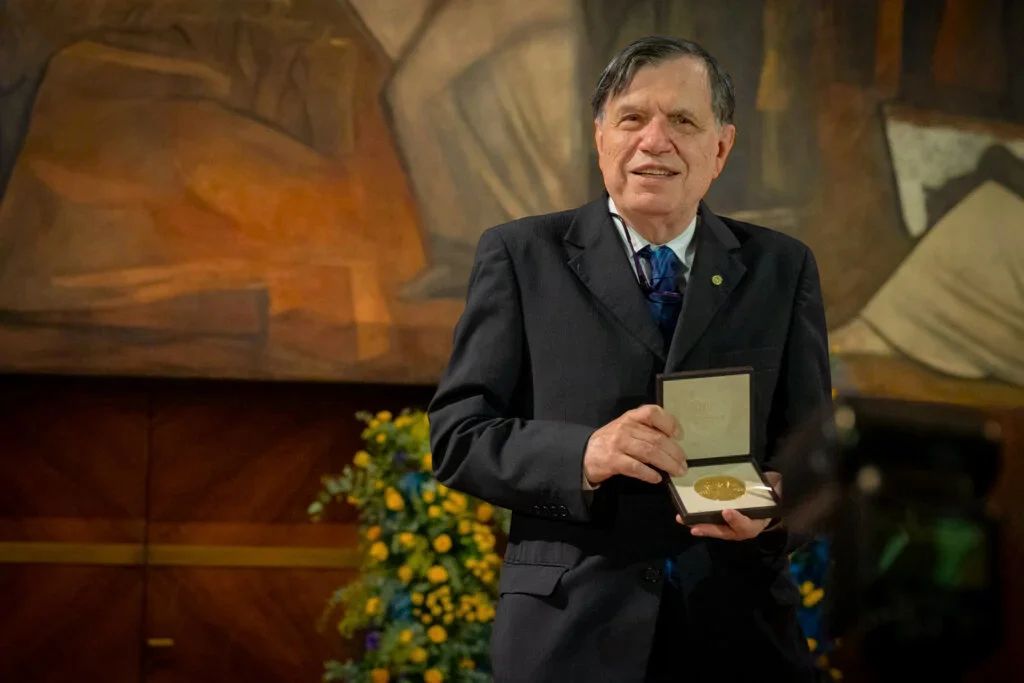
A Nobel Prize-winning physicist calls research slow, collective work and describes how his spin-glass mathematics was applied to memory in the brain.
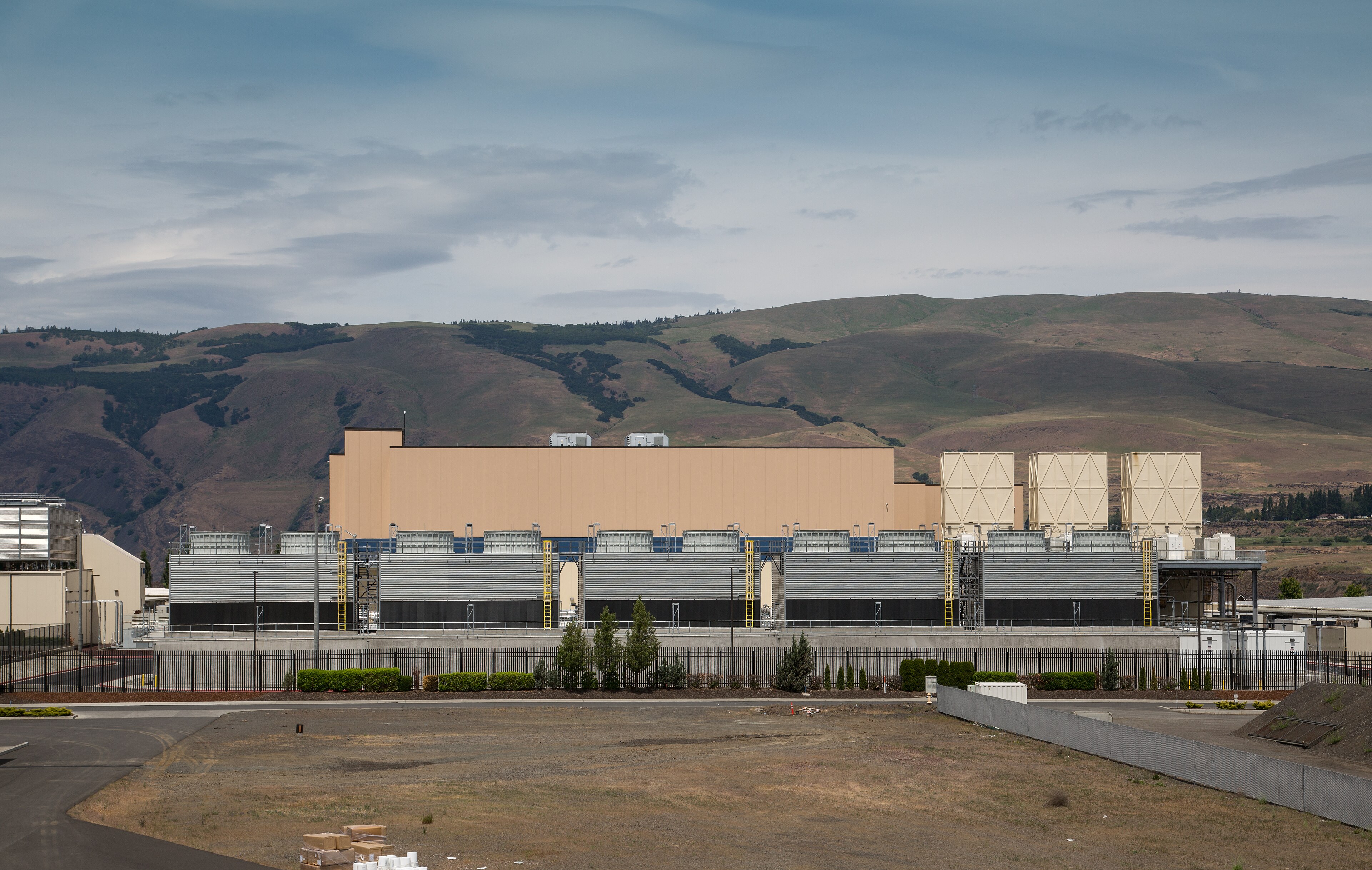
AI is straining electricity grids built for another economy, so the question is who pays for the power and who carries the risk if the boom falls short.
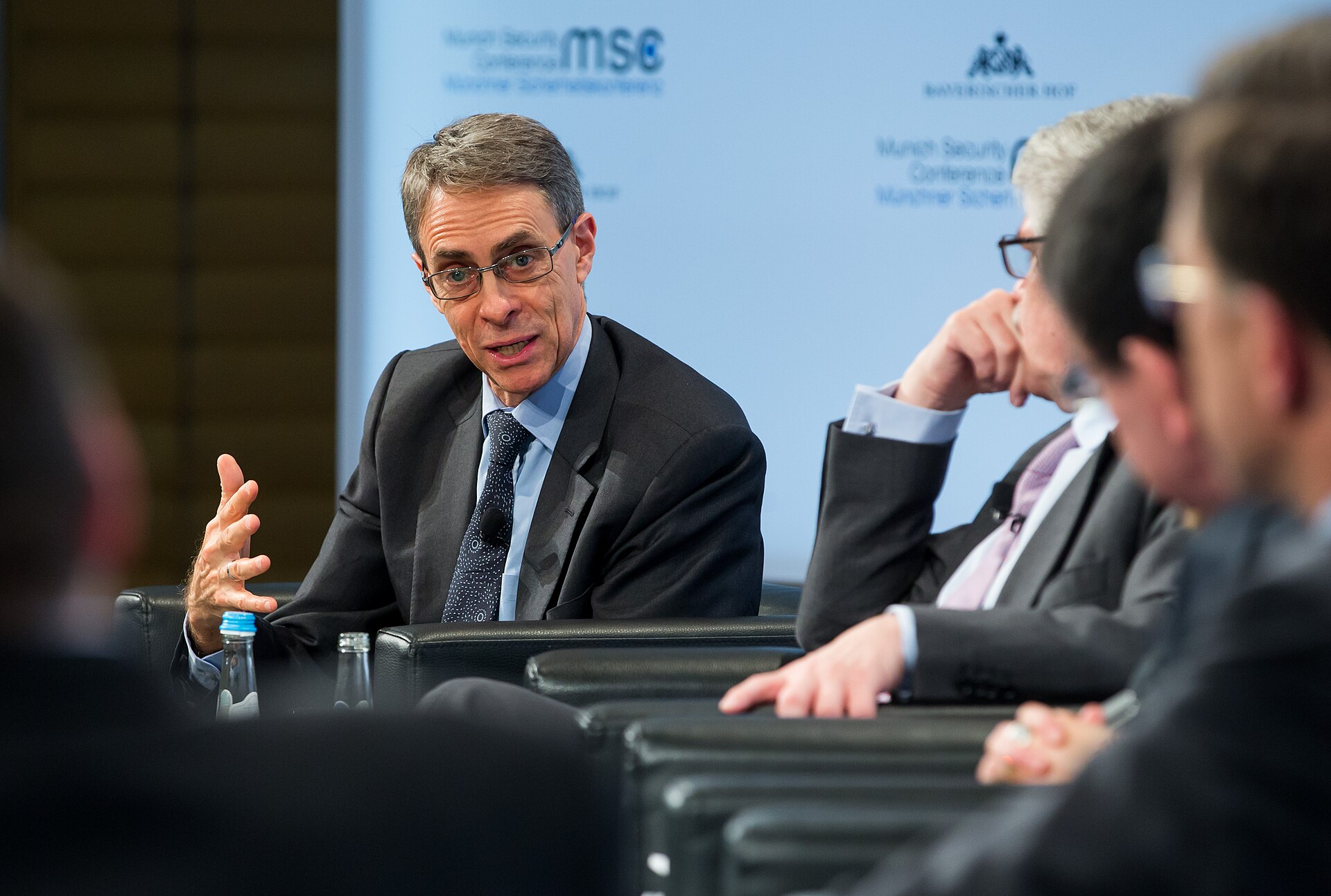
Shaming works because even Trump and Xi pretend to respect human rights, says a former head of Human Rights Watch, who wants allies held to the same standards.
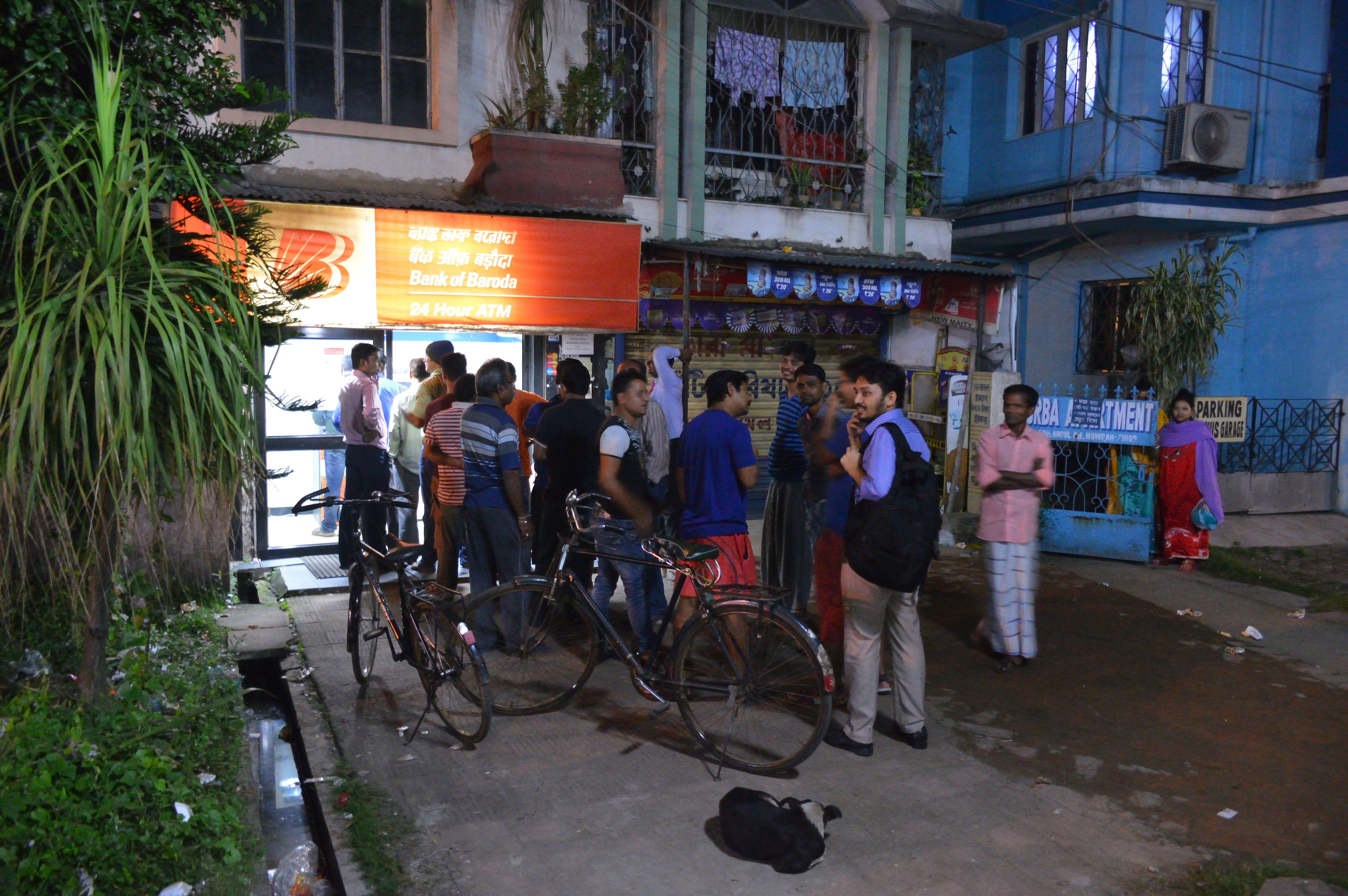
Pakistan handles hundreds of millions of digital payments a quarter yet still runs on cash, and the article says going cashless risks privacy and leaves some people out.
With betting sponsors banned from the front of Premier League shirts, clubs face an £80 million shortfall because sponsors overpaid by around 38 per cent.
Explains why Canadian voters rejected a carbon tax that returned most households more money than it cost them.
A Toulouse economist explains how bans on drugs and migration can backfire, and how legal cannabis and temporary work visas can undercut dealers and smugglers.
Argues that rich countries owe the world's poor justice, because the trade and finance rules that decide a child's chances from birth were written without them.
Limited access to credit holds back education, and the Israeli conflict costs about 30 per cent of GDP, according to a Hebrew University economist.
A Nobel prize winner describes how his team ran a $19.8 billion spectrum auction and why changing a market's rules changes what people do.
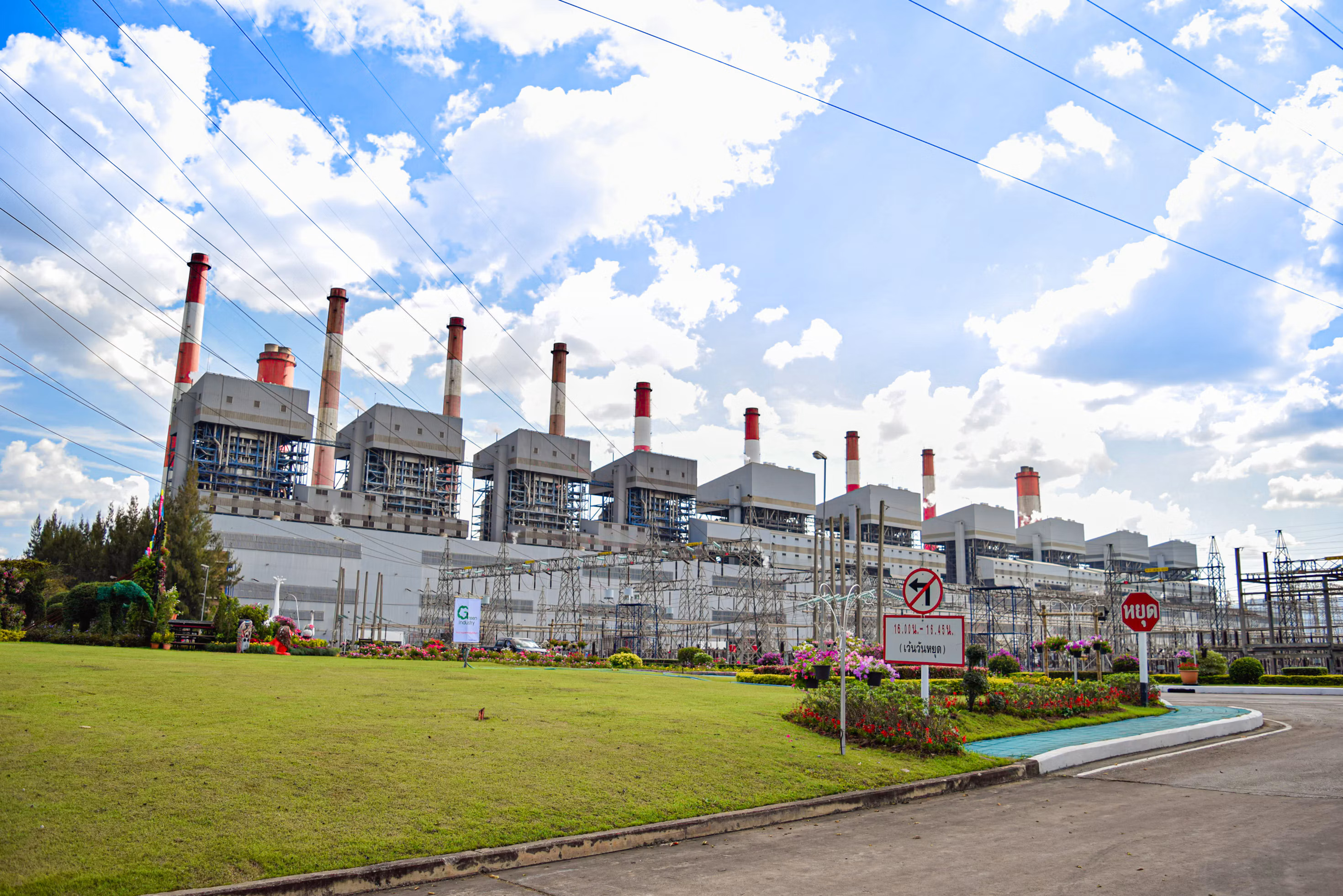
Thailand will miss its 2037 renewable target unless it builds a market for battery storage and auctions new generation instead of fixing prices.
A philosopher says the question to ask is whether your life would get worse if you gave away some surplus, and applies it to effective altruism and net zero.
Looks at what happens when AI trading programs for oil, wheat, and other goods act alike during a crisis, and whether the usual safety rules target the problem.
Looks at the quantum computing boom and finds that firms with working hardware are a fair risk, while firms that only sell a promise are a bet on a story.
Twenty months in, VAT on private school fees is bringing in close to the £1.5 billion a year expected, and enrolment has fallen only a little.
A former UN economist explains how Vietnam grew and why its banks and universities lag, and says it differs from China.
Covid emergency powers damaged trust in democracy, but the backlash since, from Sri Lanka to Hungary, has so far done more for democracy than the emergency did against it.
An eight-hour bus ride beside a 78-year-old stranger who marvelled at every sunset leads a writer to argue that optimising your time can leave you under-lived.
A philosopher on why patriotism feels good but falls apart once you try to defend it logically.
Four failures kept Central America, with its low wages and short route to the US, from winning the factories that went to Asia.
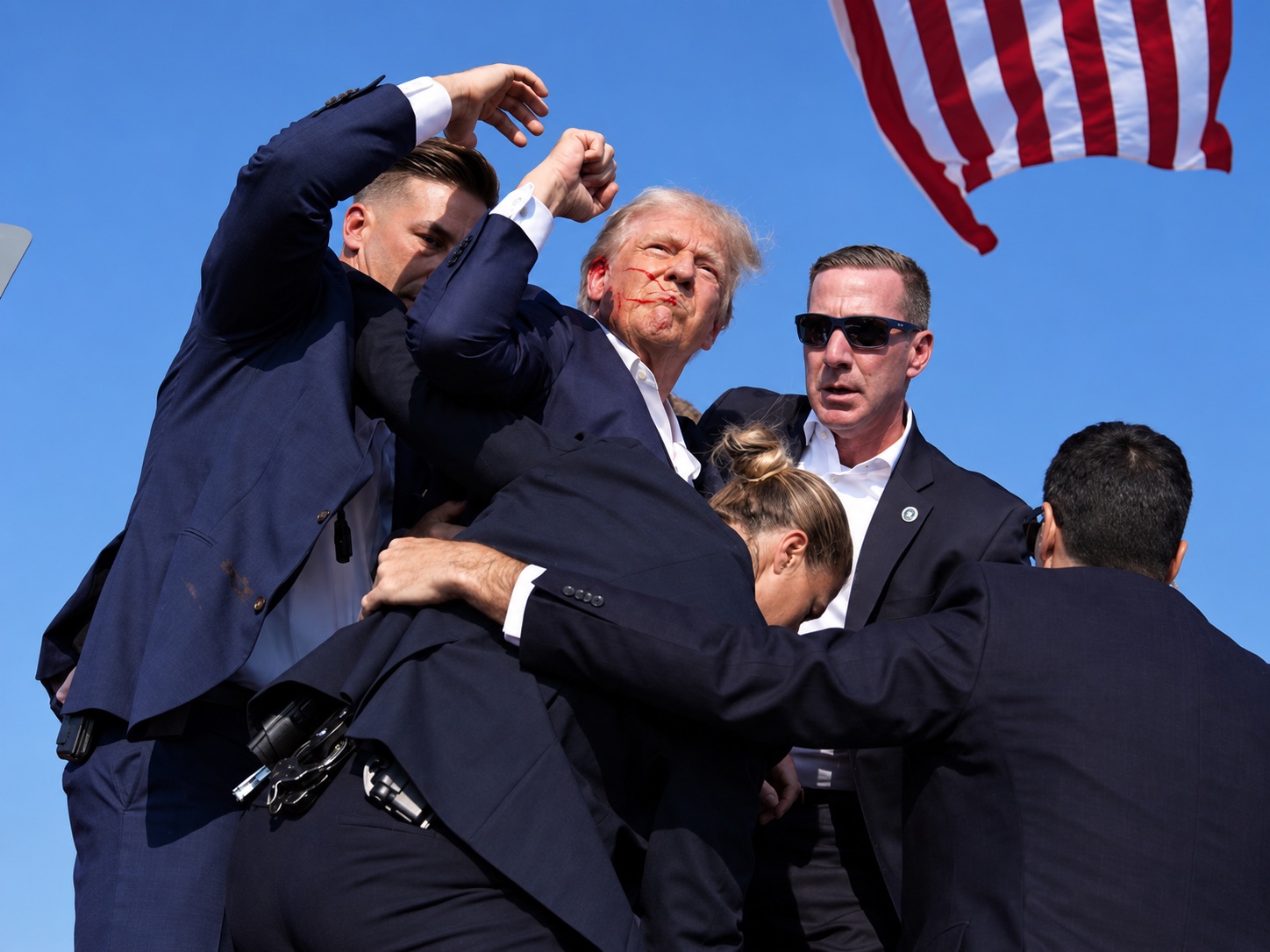
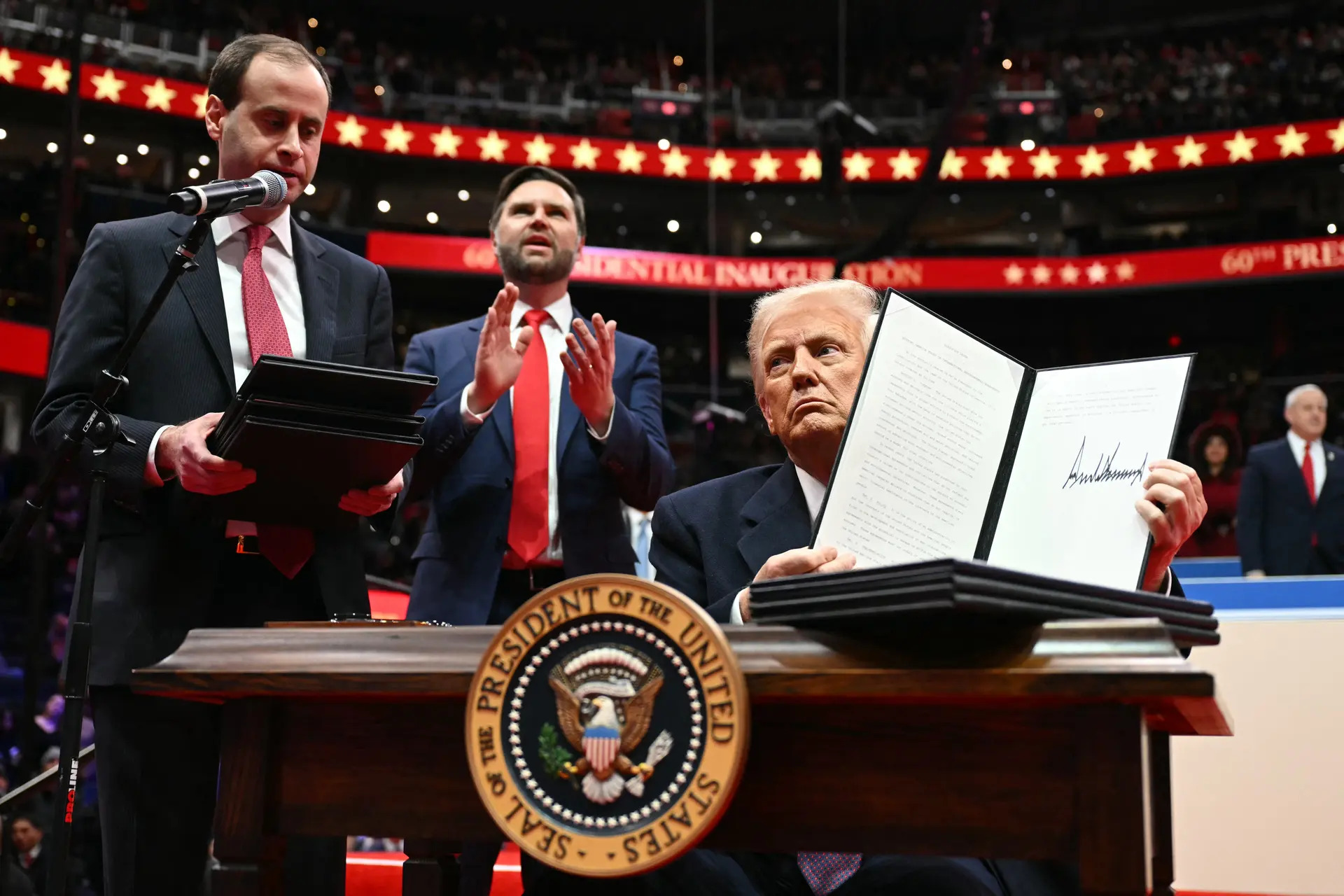
Hofstadter described the paranoid style in American politics in 1964, and what is new about Trump is that he has brought it to the centre of power.
Africa has over sixty per cent of the world's unused farmland, and the article says what it lacks is infrastructure and patient investment.
An Icelandic economist ties the stalled rollout of a constitution backed by two-thirds of voters fourteen years ago to the resource curse playing out inside a wealthy democracy.
An economist explains how multinationals move profits to places like Bermuda, and says they are productive but increase inequality.
The Freakonomics economist describes how he caught sumo wrestlers and teachers cheating, and defends his finding on abortion and crime.
Big data and algorithmic pricing may be eroding the privacy that kept consumers from paying exactly what they were willing to, though the article says how far this has gone is contested.
X Corp's suit against a non-profit is one example of how SLAPP lawsuits wear down critics with legal costs, and the article calls for a federal law against them.
A German economist says politicians and economists argue less about the numbers than about whose gains matter more than whose losses.
A philosopher who builds mathematical models of human behaviour maps the attention economy through three character types.
An Egyptian political economist explains how Middle Eastern states can be both authoritarian and weak, and why formal property titles won't fix it.
A researcher of tax havens explains how multinationals avoid tax and says following the money shows who holds power.
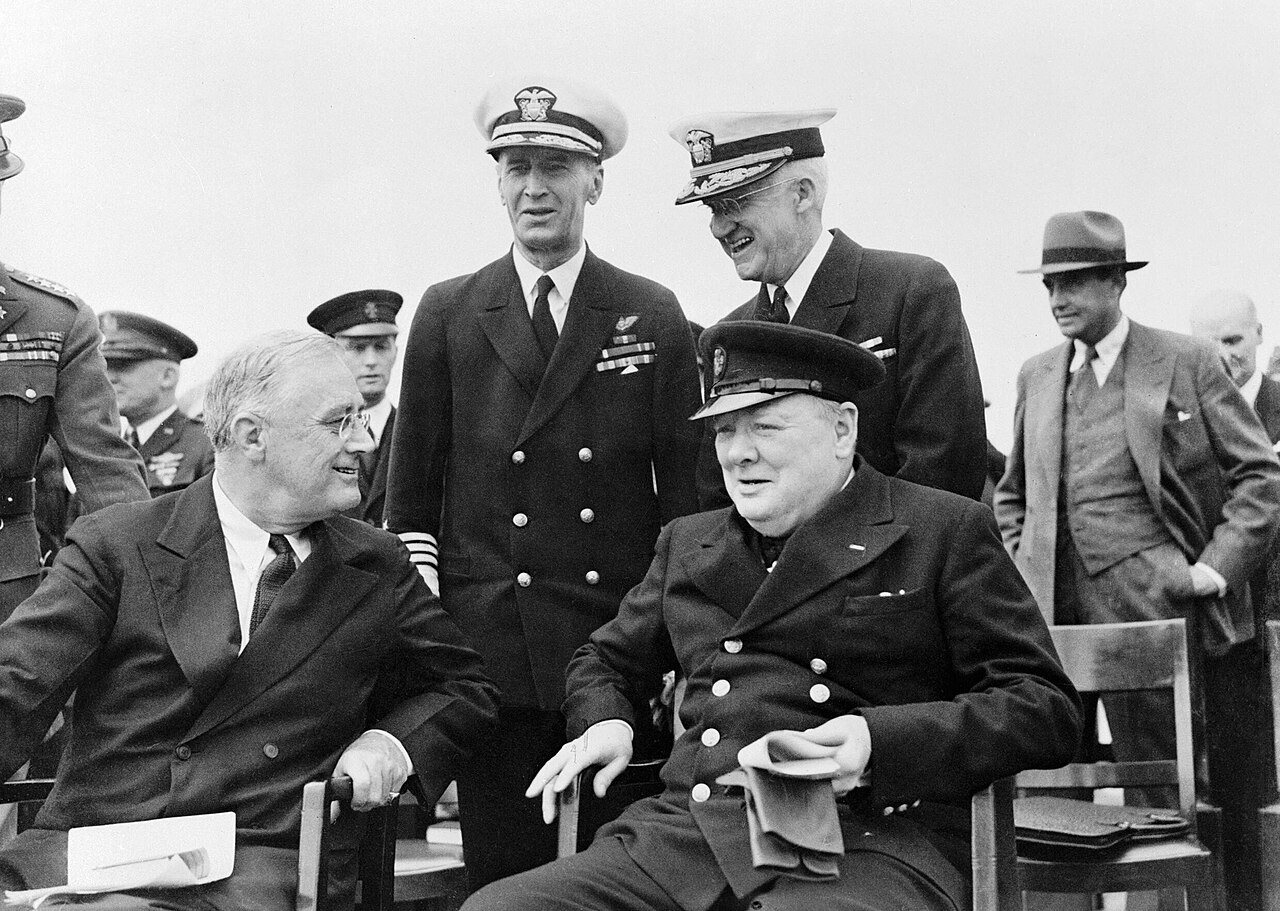
Tests Bertrand Russell's claim that ties Hitler, Churchill and Roosevelt to Enlightenment philosophers, weighing how much of it is actually true.
Most of Spain's housing crisis comes from rent caps and slow planning, and the fix is faster building and a gradual end to the caps.
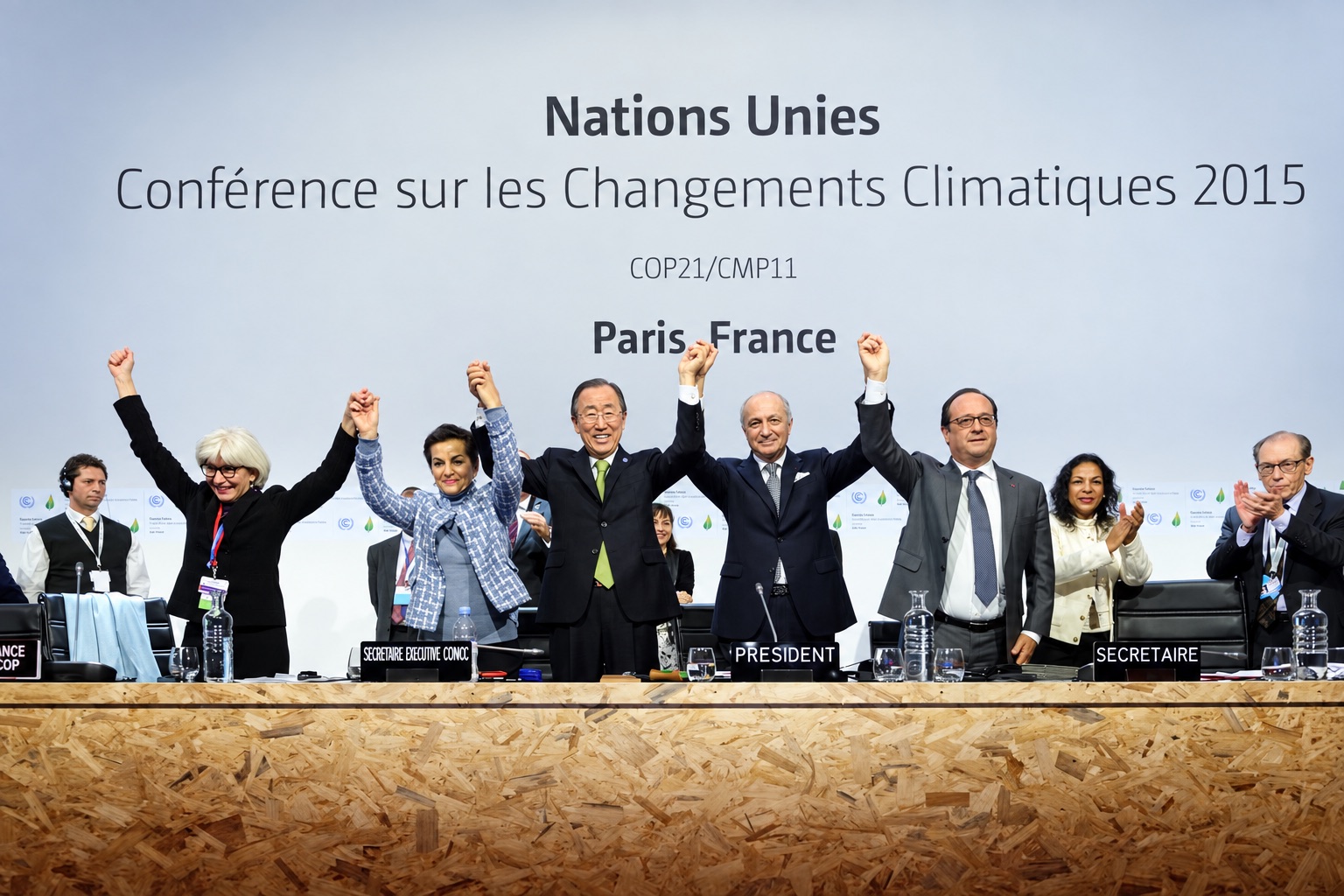
Thirty years of climate treaties have produced agreement without compliance, because international law has no way to force a country to follow through.
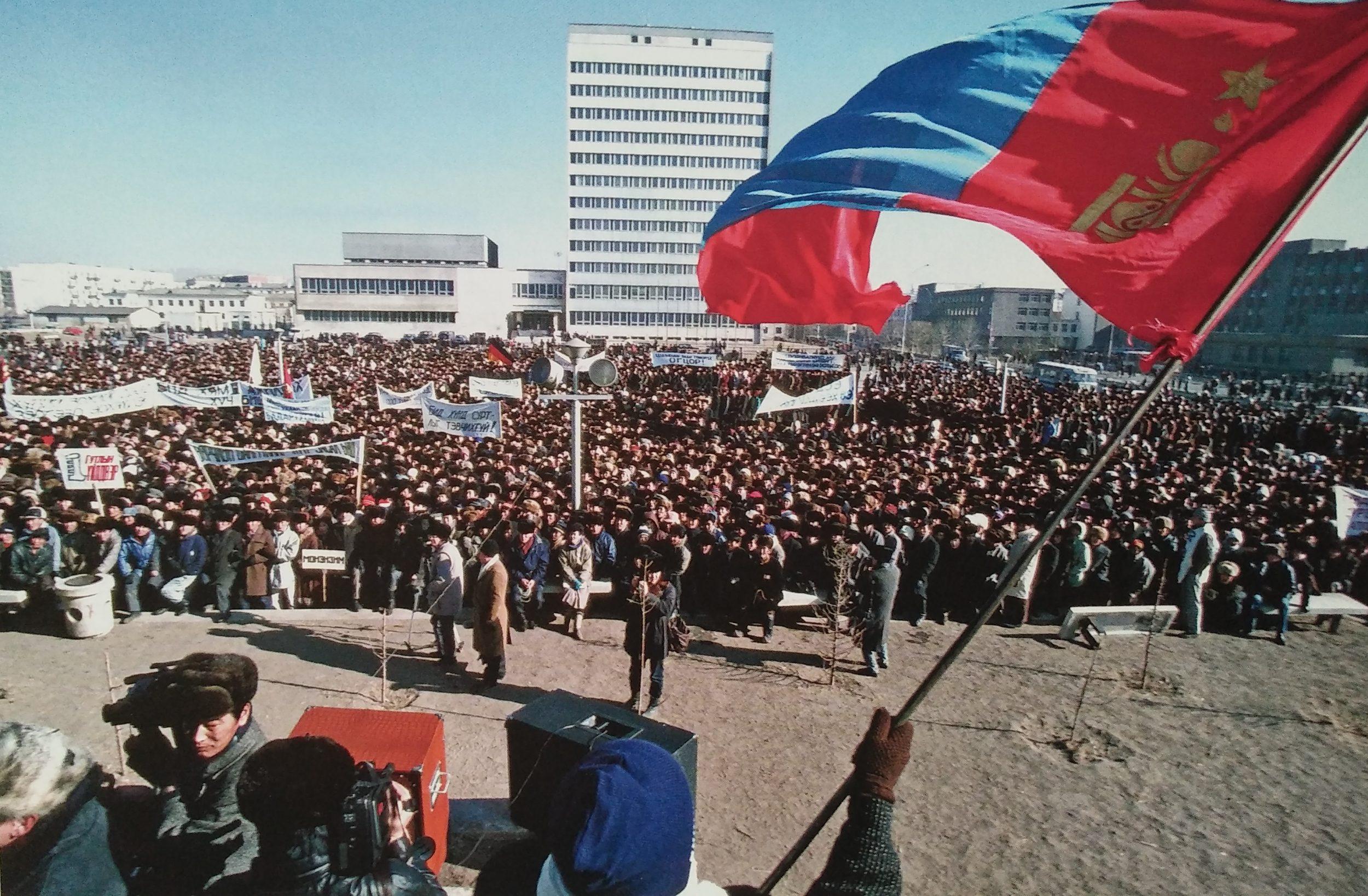
The chair of the Bank of Mongolia’s Supervisory Board describes the risks of running a central bank in a young democracy and argues that unequal votes need fixing.
Powerful groups divide people so that they blame one another, and the article gives cases from Ancient Rome to modern policing.
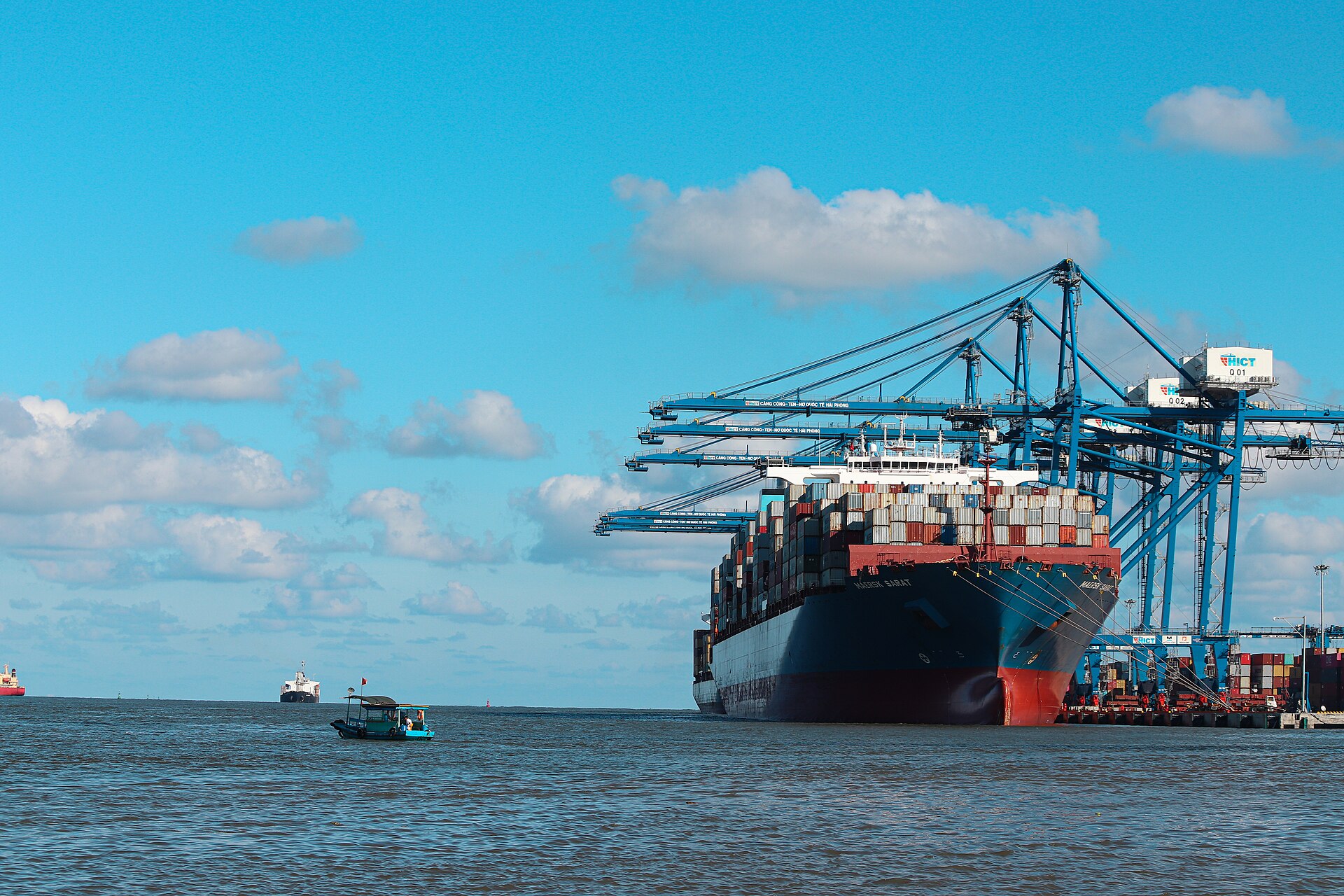
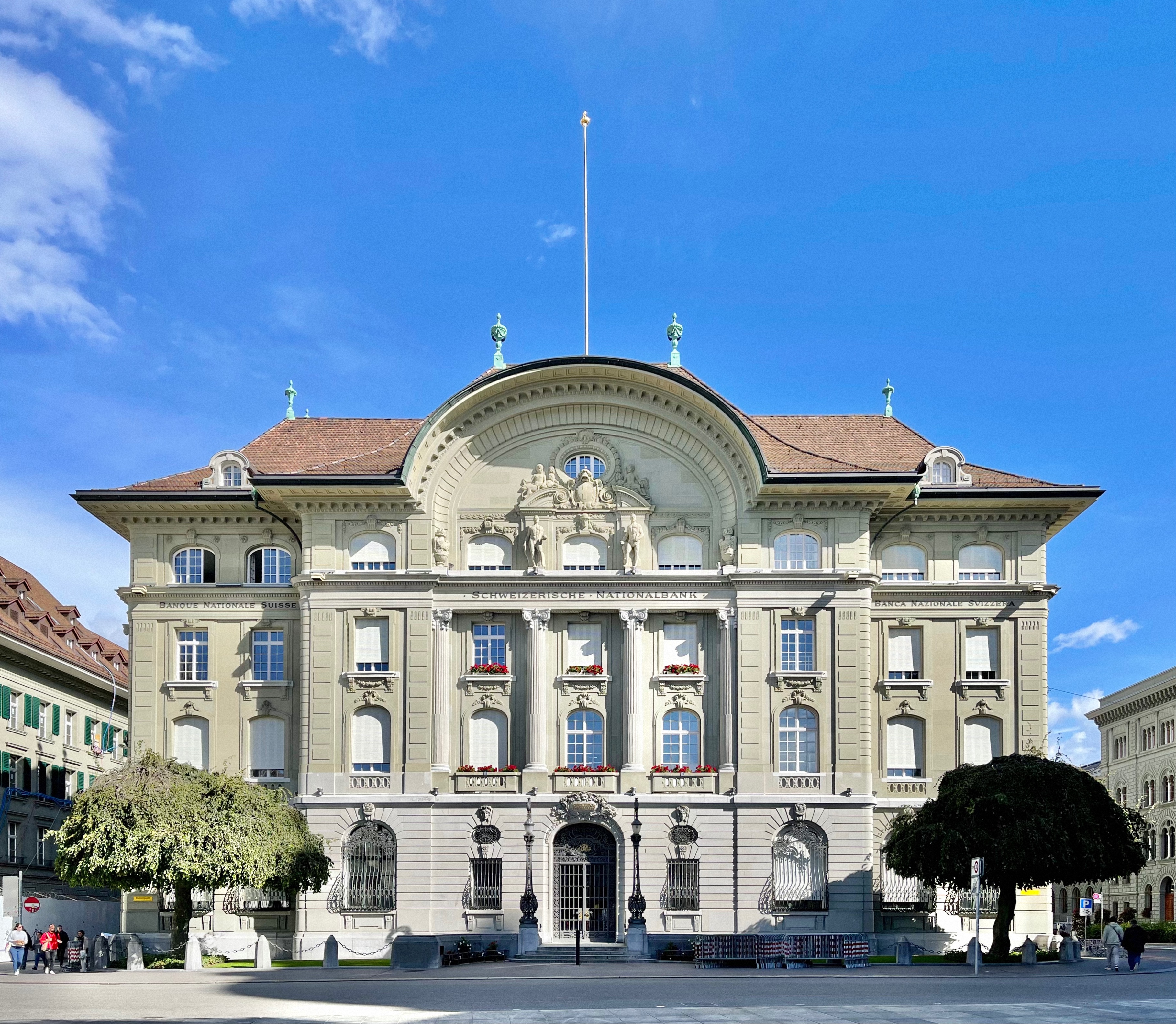
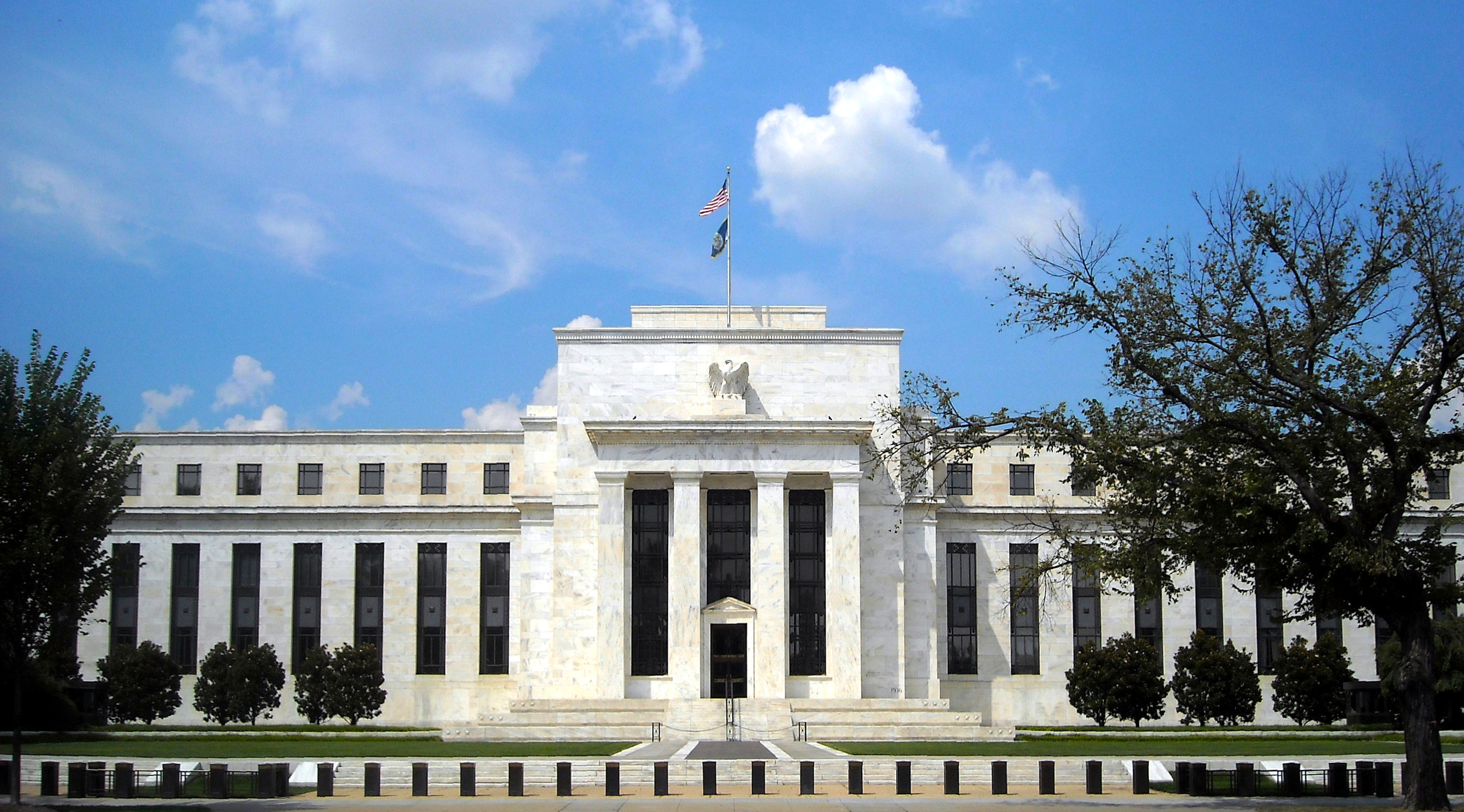
Why the dollar is used to price trade between other countries, and how demand for the Swiss franc left Switzerland's central bank with the world's largest balance sheet relative to its economy.
Human attention has quietly become a raw material bought and sold at scale, with costs landing even on services marketed as free.
A game theorist explains how morality can evolve, with universalist morals favoured where people meet once and particularist morals where they meet again and again.
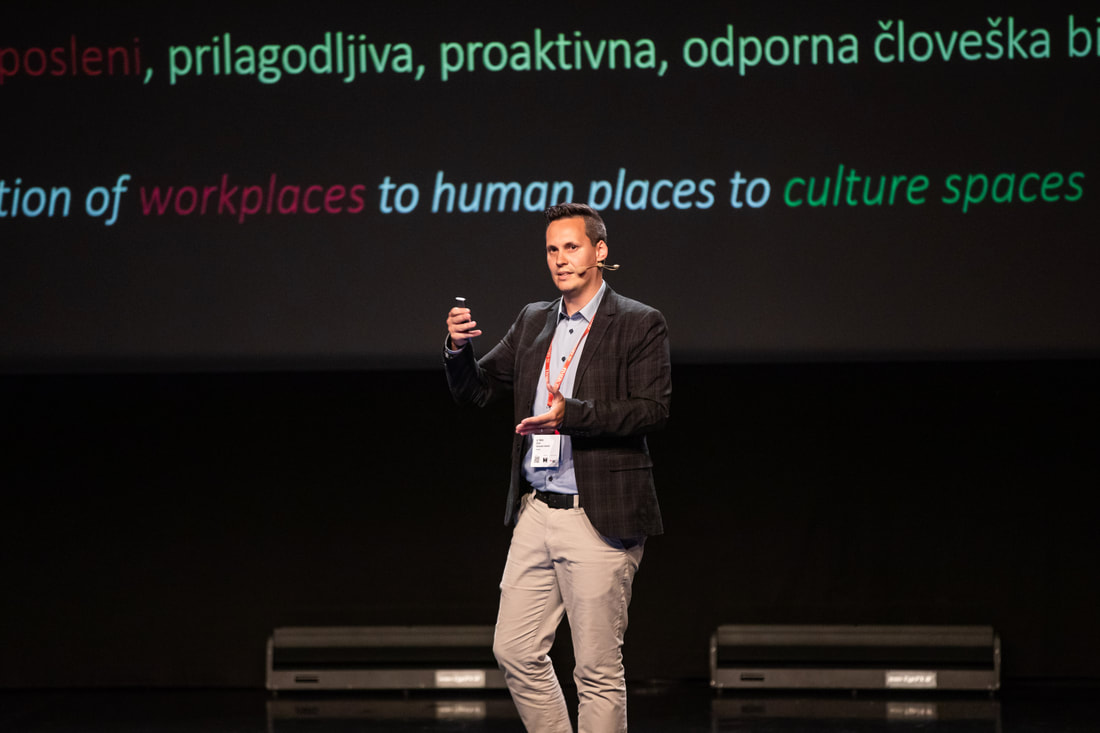
A Ljubljana professor says creativity needs constraints, and that pressure backfires and even a few nights of poor sleep reduce it.
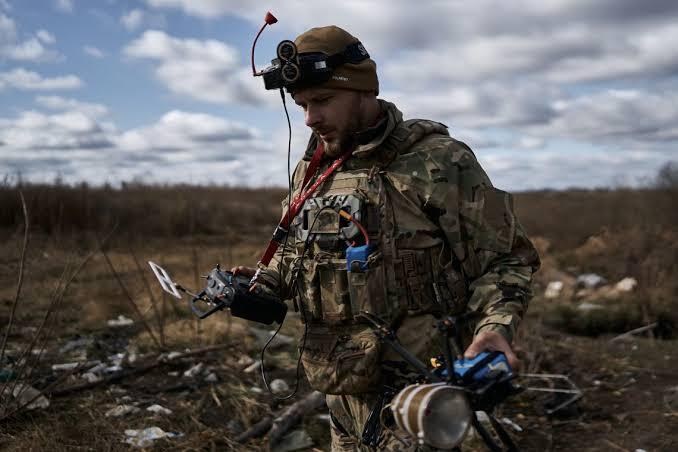
Covers the five factors behind Ukraine's resistance and finds that leadership and the ability to adapt in the field mattered more than firepower alone.
Companies now perform social responsibility for show, and the people their actions affect should help set and enforce their duties.
A political economist uses the story of EU banana rules, which companies and member states pushed for, to show who writes EU law.
A Croatian philosopher argues that logic can test moral and political beliefs but cannot choose our values, and discusses Croatia's philosophical tradition.
Argues that VAT on private school fees raises less than advertised and shrinks the market for schooling, and that fairness should come from improving state schools.
AI is wiping out some job tasks and leaving others alone, and the ones left standing are becoming more valuable.
Concludes that growth can continue on a finite planet only if it is redefined as flourishing within ecological limits.
Compares deontology and utilitarianism with care ethics and concludes that white lies may be excusable but are rarely the right choice, since tactful honesty protects both feelings and trust.
Georgia's former economy minister explains why failing Soviet-era firms survived for years, and calls for strict bankruptcy laws.
A positive result on a test that catches 99% of cases leaves only a 16.7% chance you are ill when 1 in 100 people have the condition and the false-positive rate is 5%, and the article asks why people get this wrong.
History has a shape but no built-in destination, so any justice that arrives will be bent there by what people choose to do.
A historian explains how war and the Church built European tax bureaucracies, and why who collects a tax affects whether people pay.
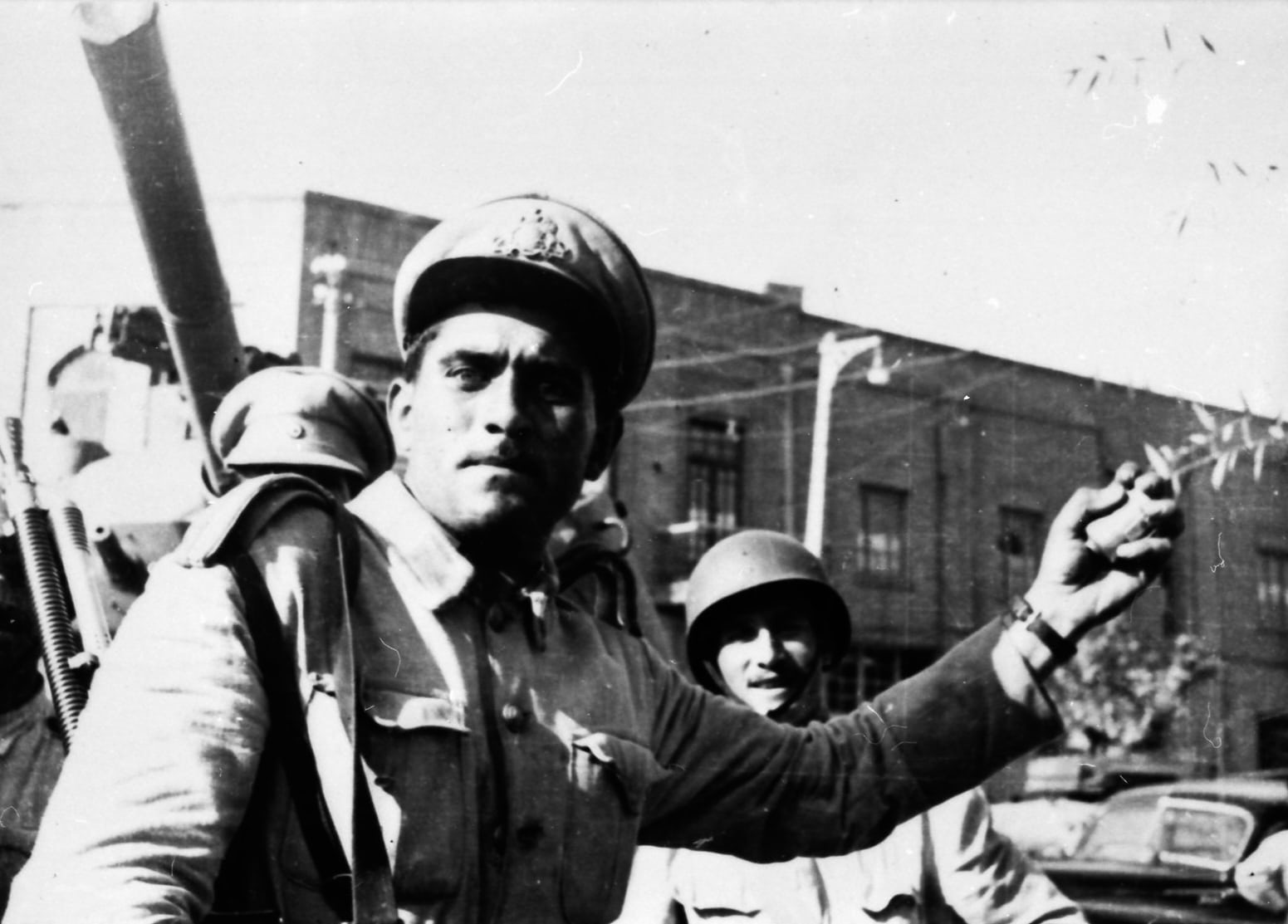
Russia's expectation of a quick fall of Kyiv fell apart under its own overconfidence and flawed planning, made worse by a military still built for an earlier kind of war.
Young workers in AI-exposed jobs are being hired less than their peers in less exposed work, with no widespread job losses, and firms that stop hiring juniors risk losing future staff and customers.
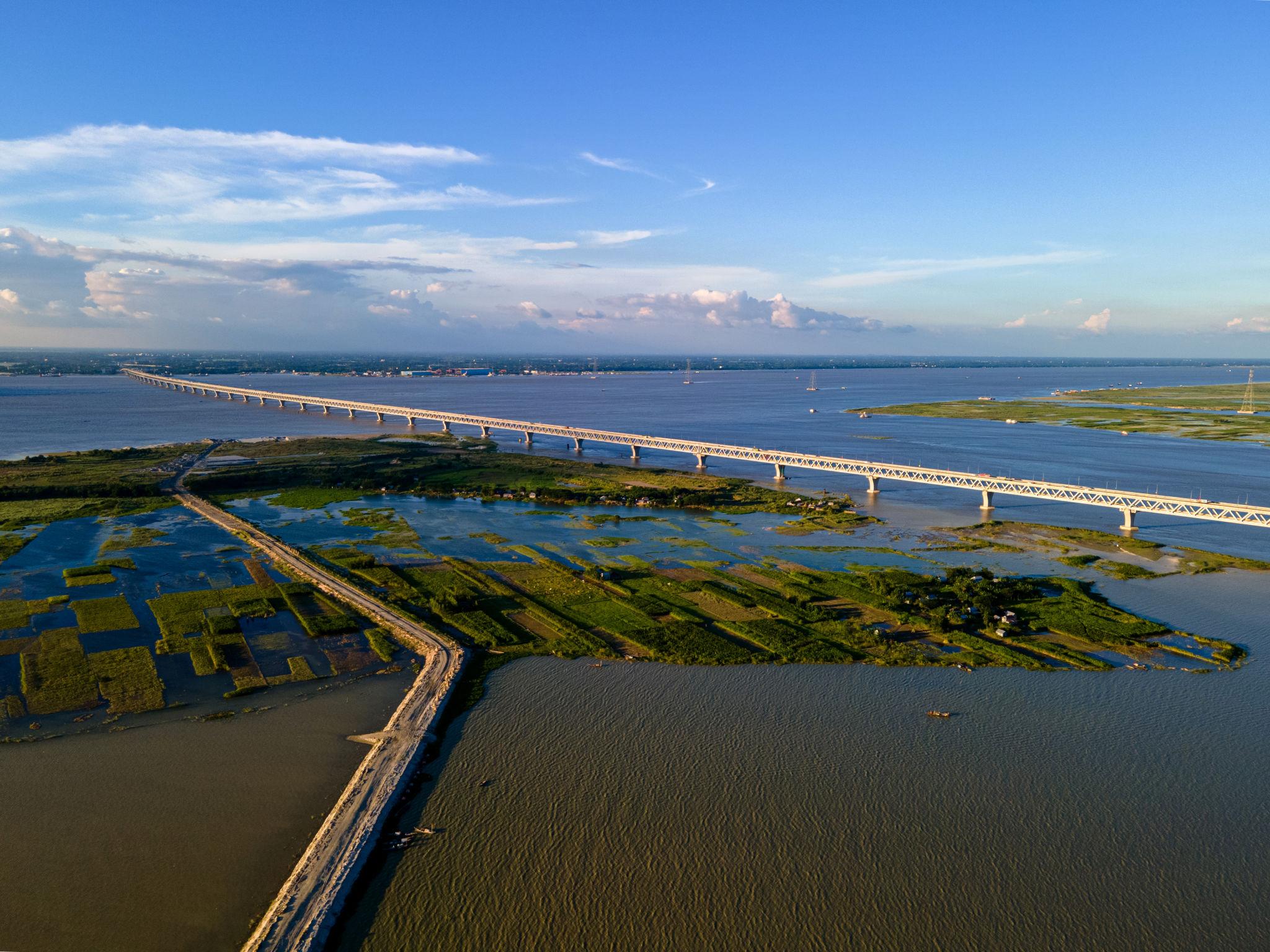
Bangladesh balances India and China while keeping Japan and the West as partners, and a Dhaka scholar explains why its soldiers refused to fire on protesters in 2024.
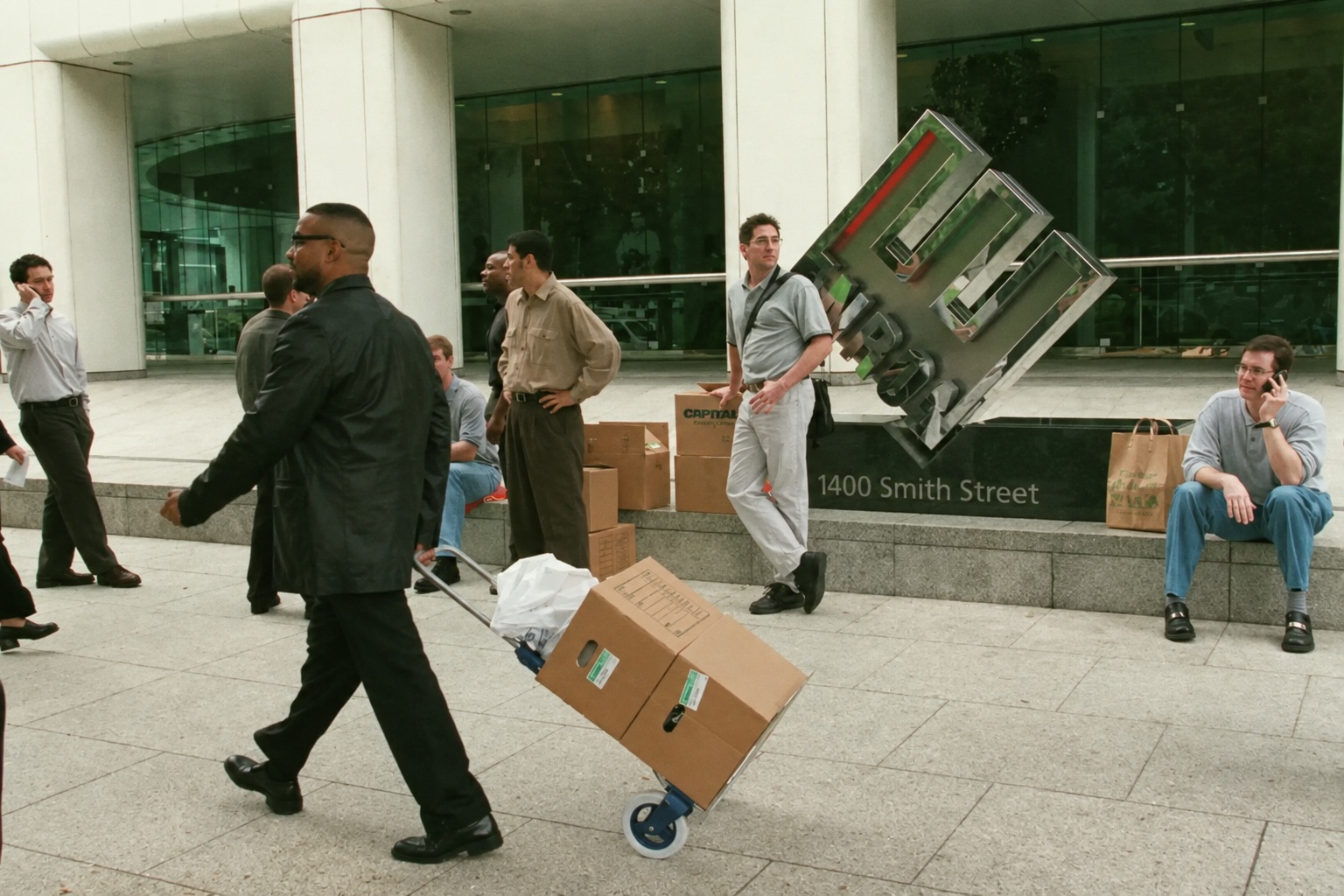
Draws on the collapses of Enron and Carillion, both highly profitable on the surface until they weren't, to show how profit figures can be manipulated in ways cash flow can't.
Rate hikes are warranted against energy-driven inflation but do little about its cause, so governments also need to cut deficits and reform supply.
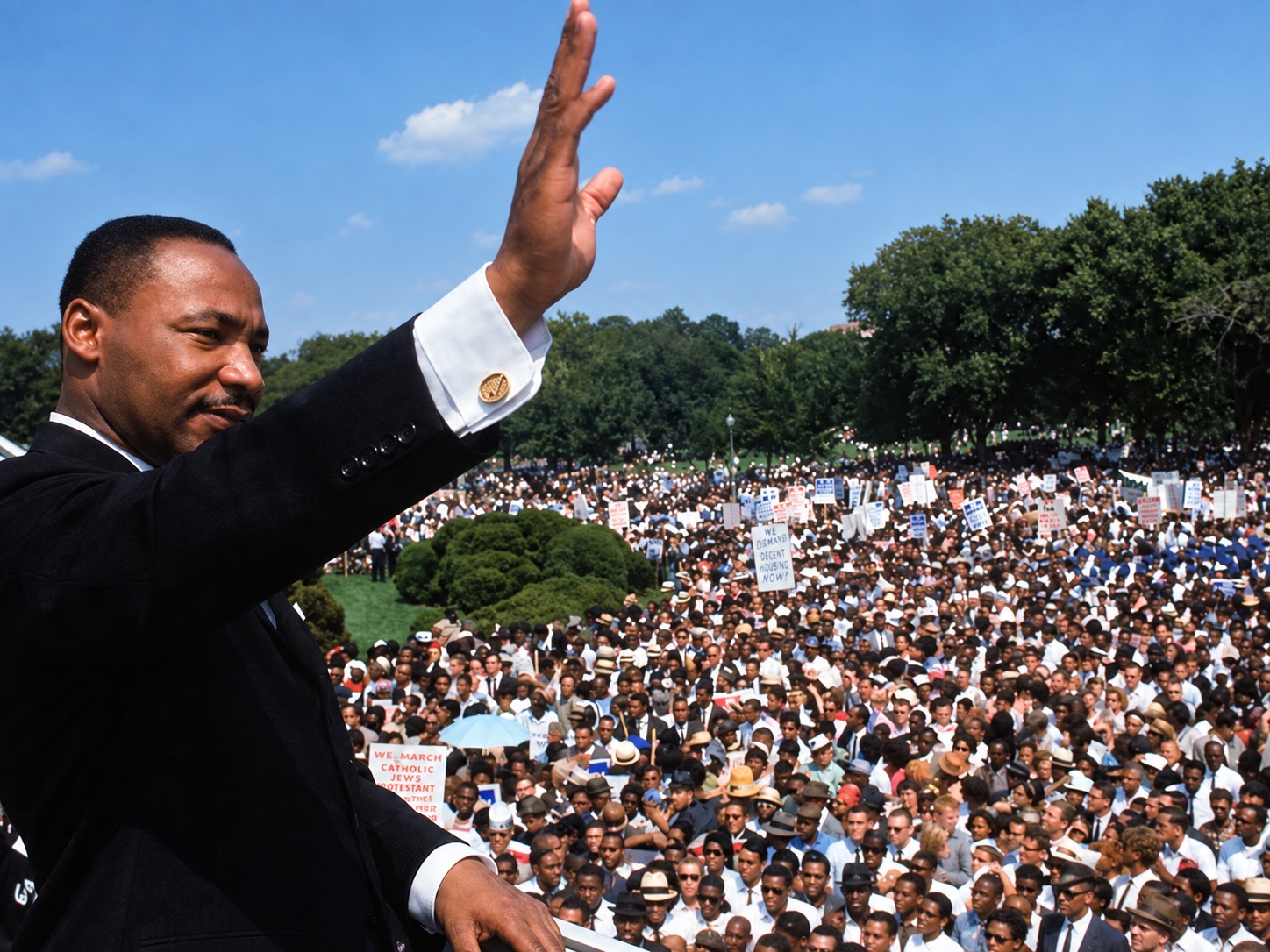
The Civil Rights Movement completed American democracy while also breaking apart the exclusionary bargain that had kept it stable, leading directly to today's polarisation.
A Colombian economist who once played football applies economics to pressure in sport and advises people to do work they enjoy.
This year's oil price spike will squeeze household budgets and is unlikely to start a second wave of inflation.
An economics professor with 45 years of teaching says economics cannot be free of values, because choosing a policy goal is an ethical decision.
Developing countries already have green technology, and the article says their problem is the high cost of borrowing, which development banks could lower.
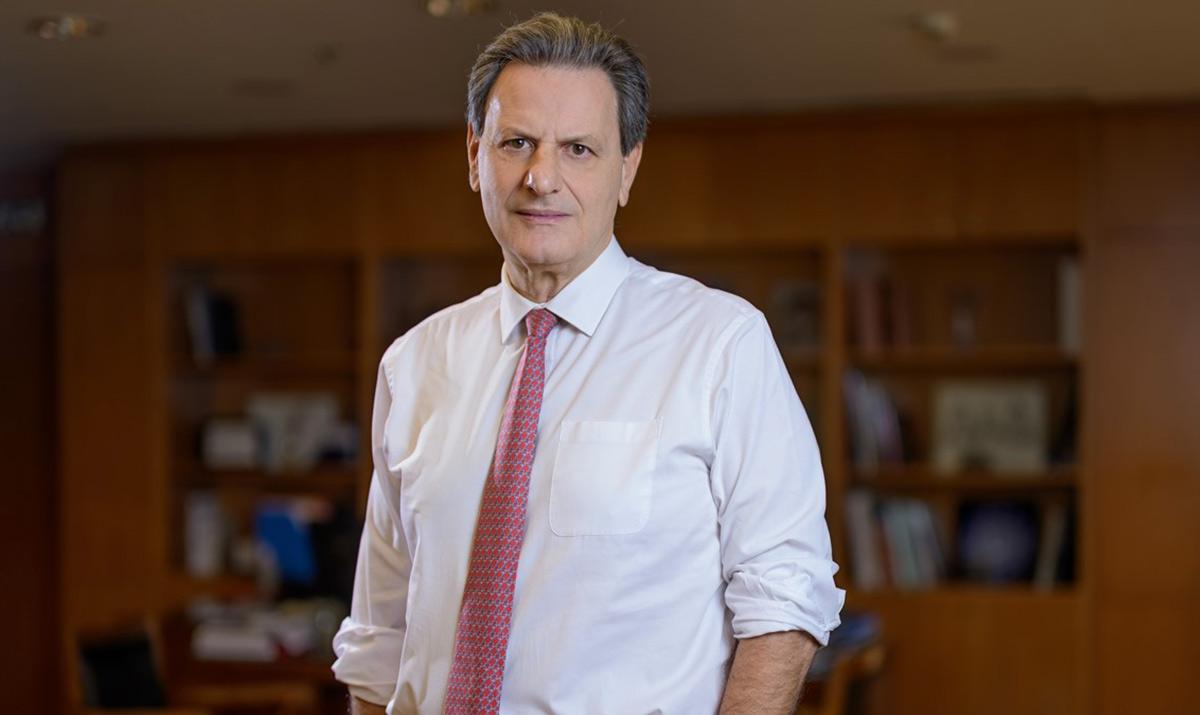
A Greek MP argues basic income won't be enough once AI displaces labour, proposing housing, dividend-paying capital, and a personal AI agent for everyone instead.
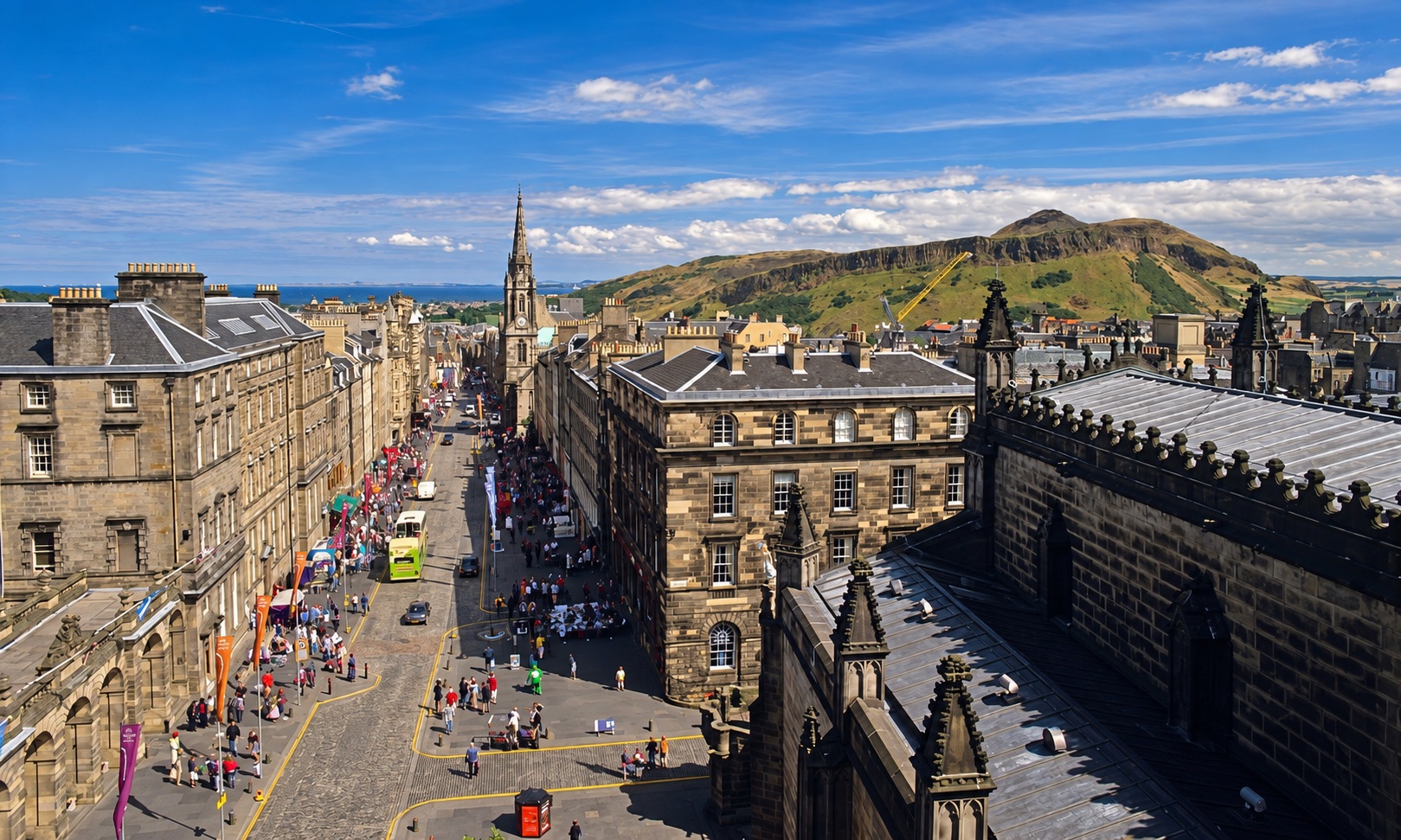
Uses Edinburgh's boom and Aberdeen's long-term unemployment, just 92 miles apart, as a case study in how growth clusters around a handful of cities.
A Moroccan legal scholar wants binding international AI rules built on ethics, since national laws cannot govern a technology that crosses borders.
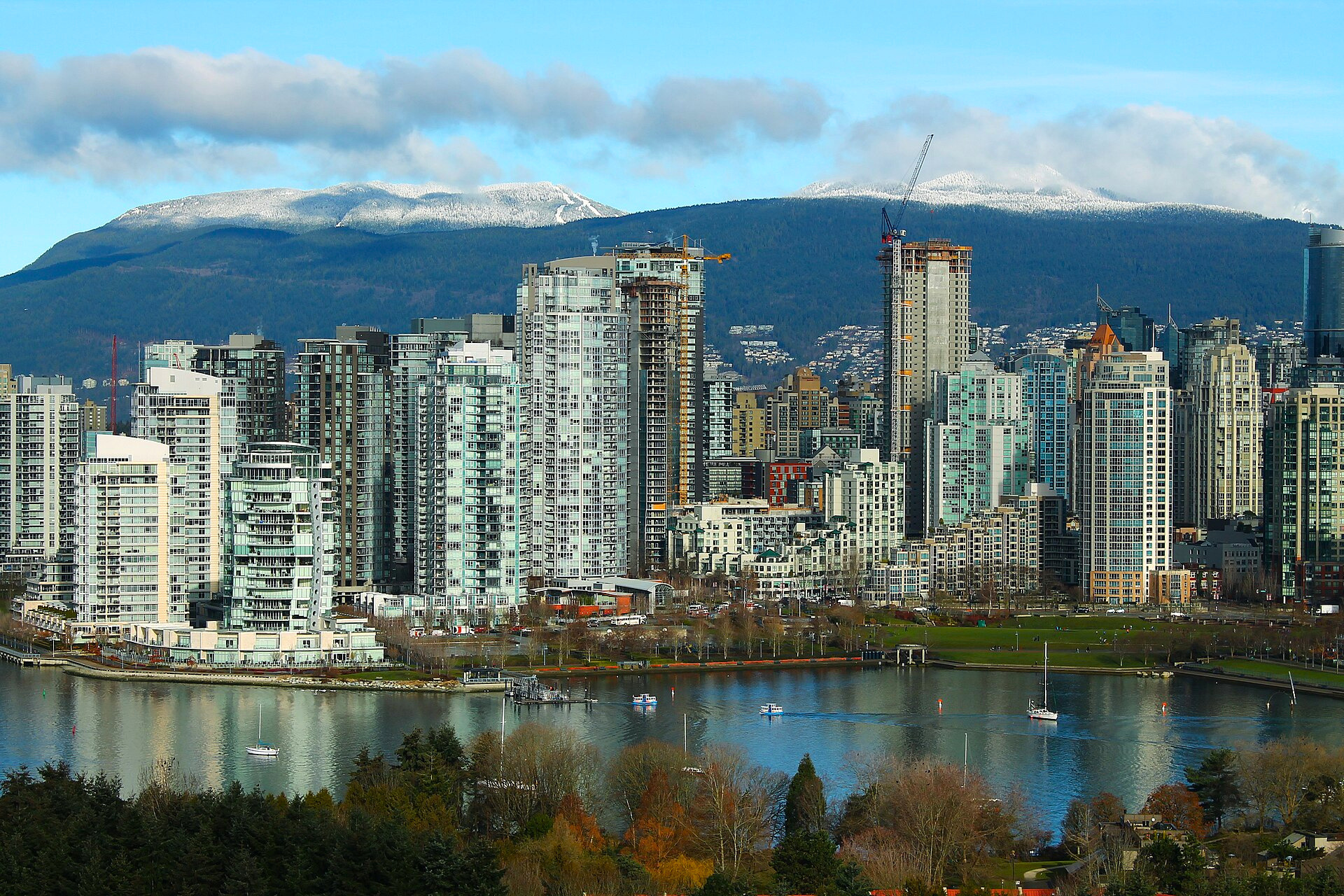
Canada's housing shortage also raises costs for international students in homestays, and the author wants more supply and standard contracts.
What an economic model tells a government to do and what that government can get away with before an election are often two different things.
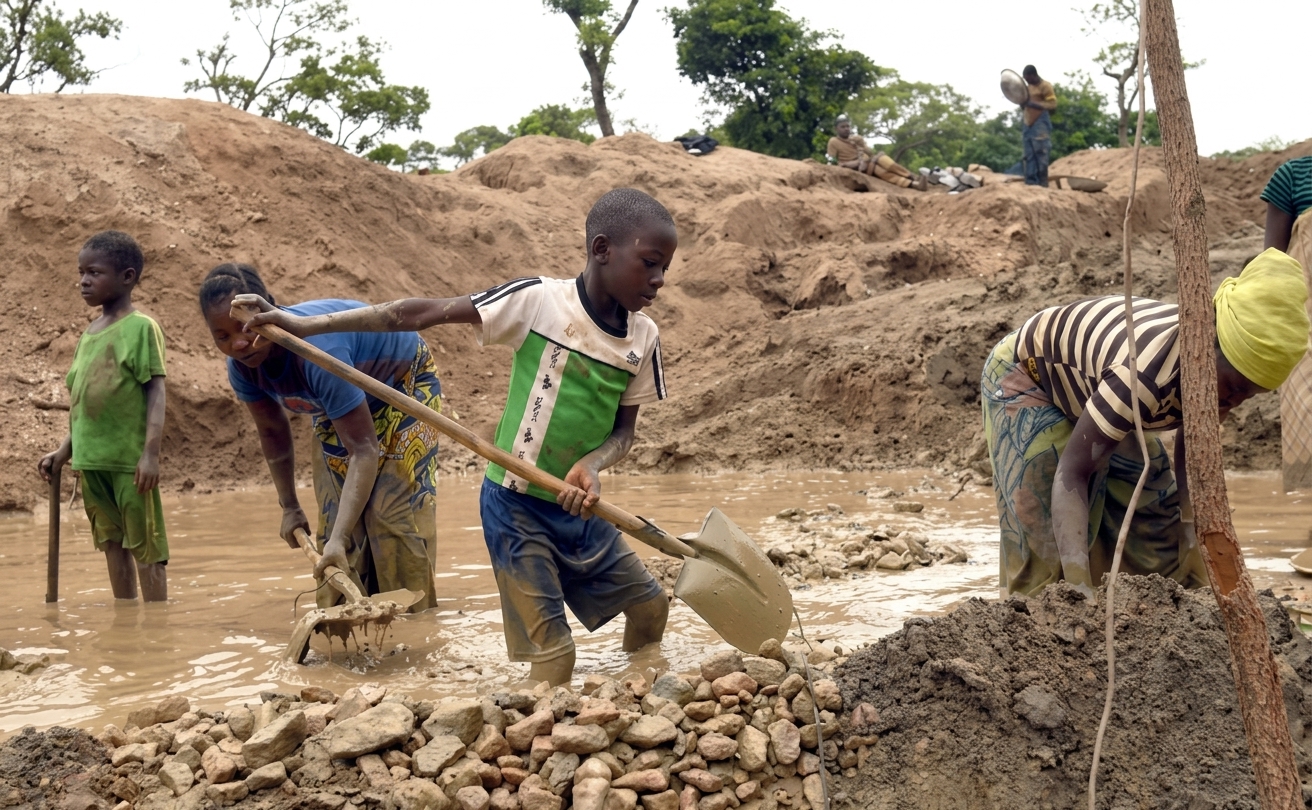
Looks at Asian mining countries and finds they actually do better on quality of life than non-mining ones, suggesting what matters is who controls extraction.
Lebanon's power-sharing system, designed to stop any one sect from dominating, has made reform very difficult and is a major part of the country's problems.
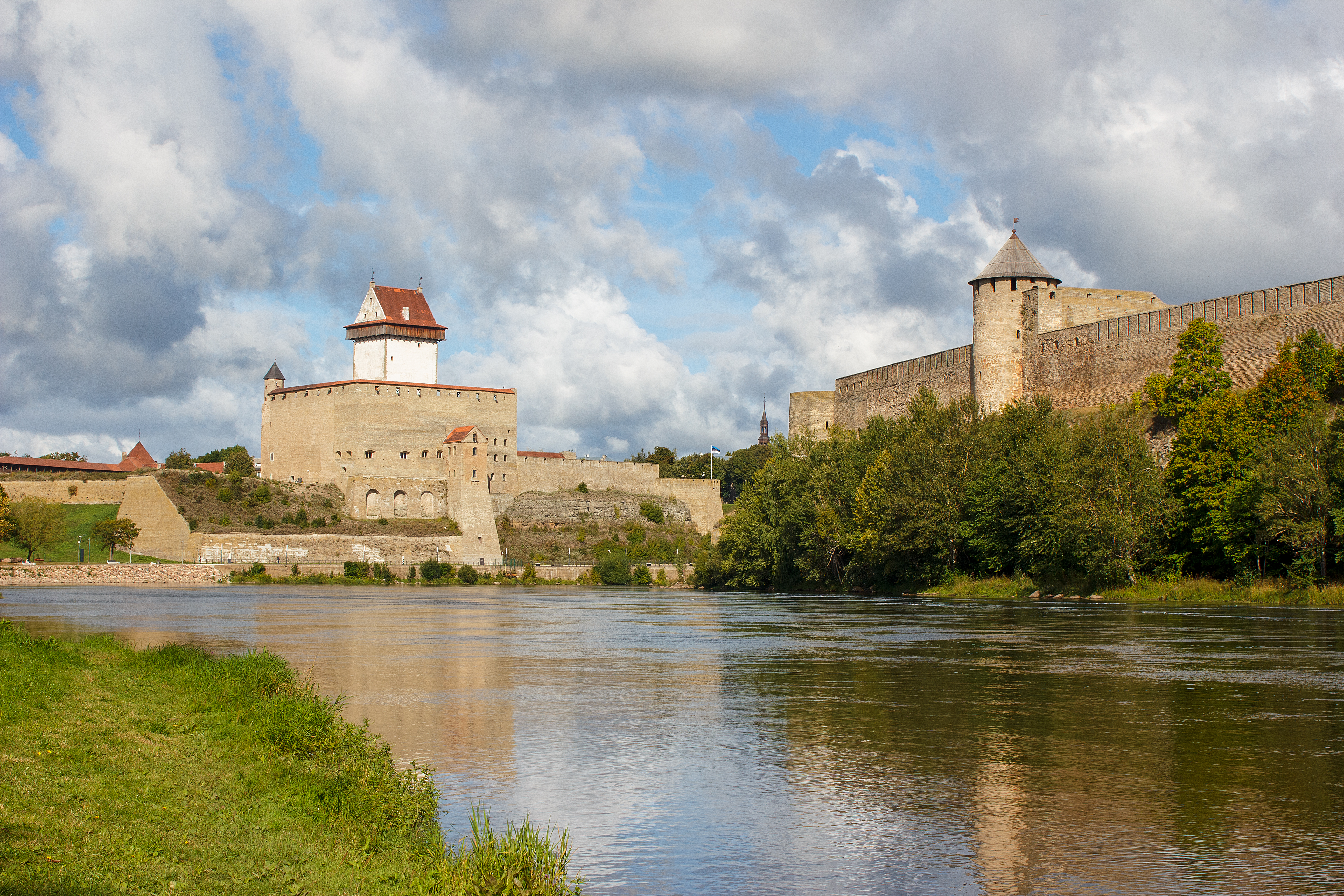
A scholar in Estonia explains how Russia spreads disinformation in the Baltic states and what separates information war from hybrid and cognitive warfare.
The technology to stop climate change already exists, and what is missing is political will, which the author traces to psychology and uneven power.
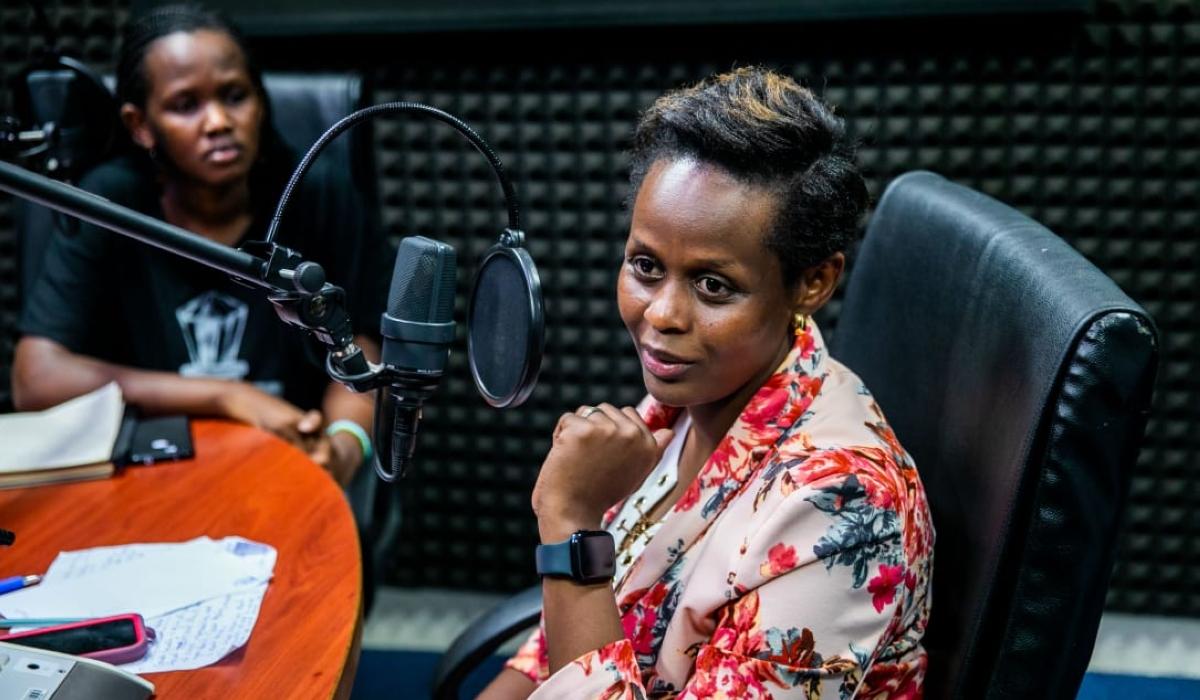
The media reinforces gender norms and can also change them, says a Rwandan scholar, who uses radio coverage of the abortion law for minors as an example.
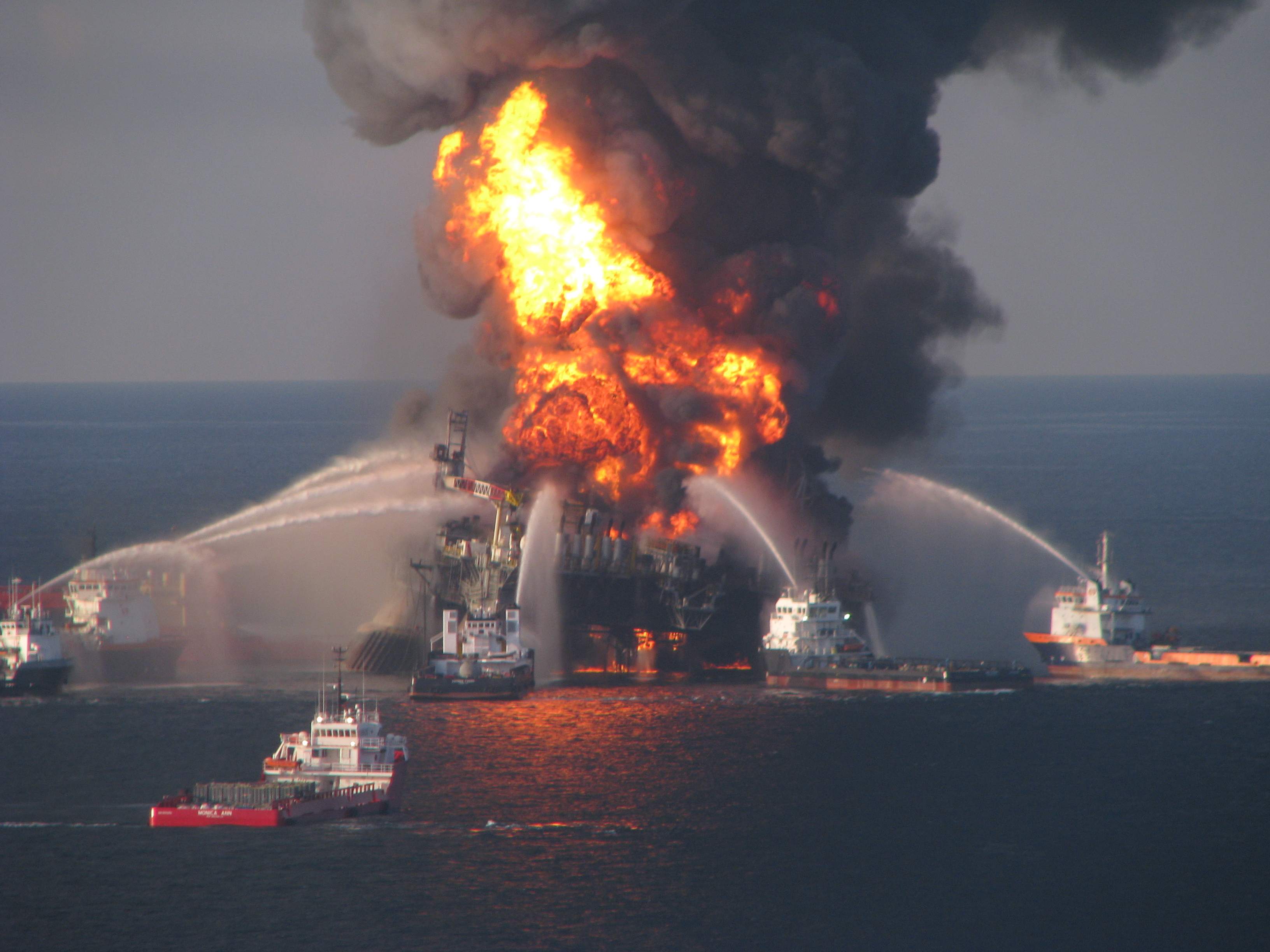
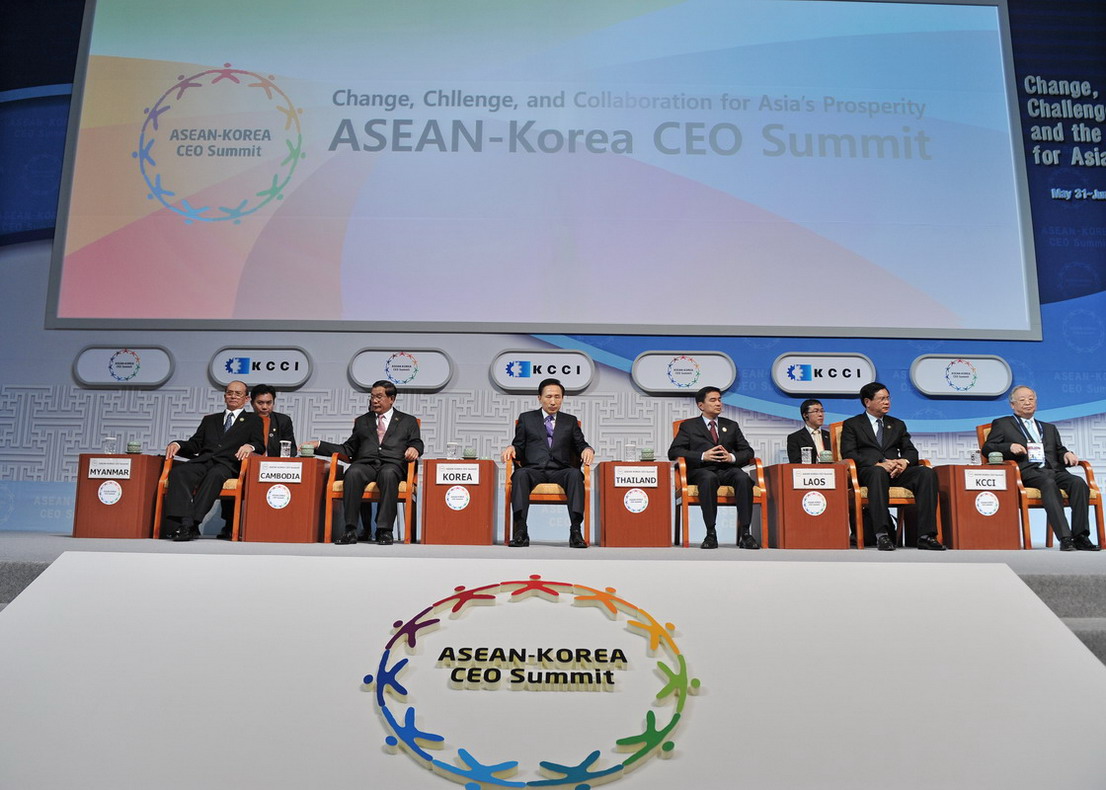
An engineer who once built offshore drilling rigs now works on a platform that connects Korean and Southeast Asian green-tech firms, and rates its impact at five out of ten.
Colour affects branding, but how much depends on context and culture, with blue the best-known sign of trust.
Defends capital punishment for the worst crimes, as long as it is carried out under strict legal limits.
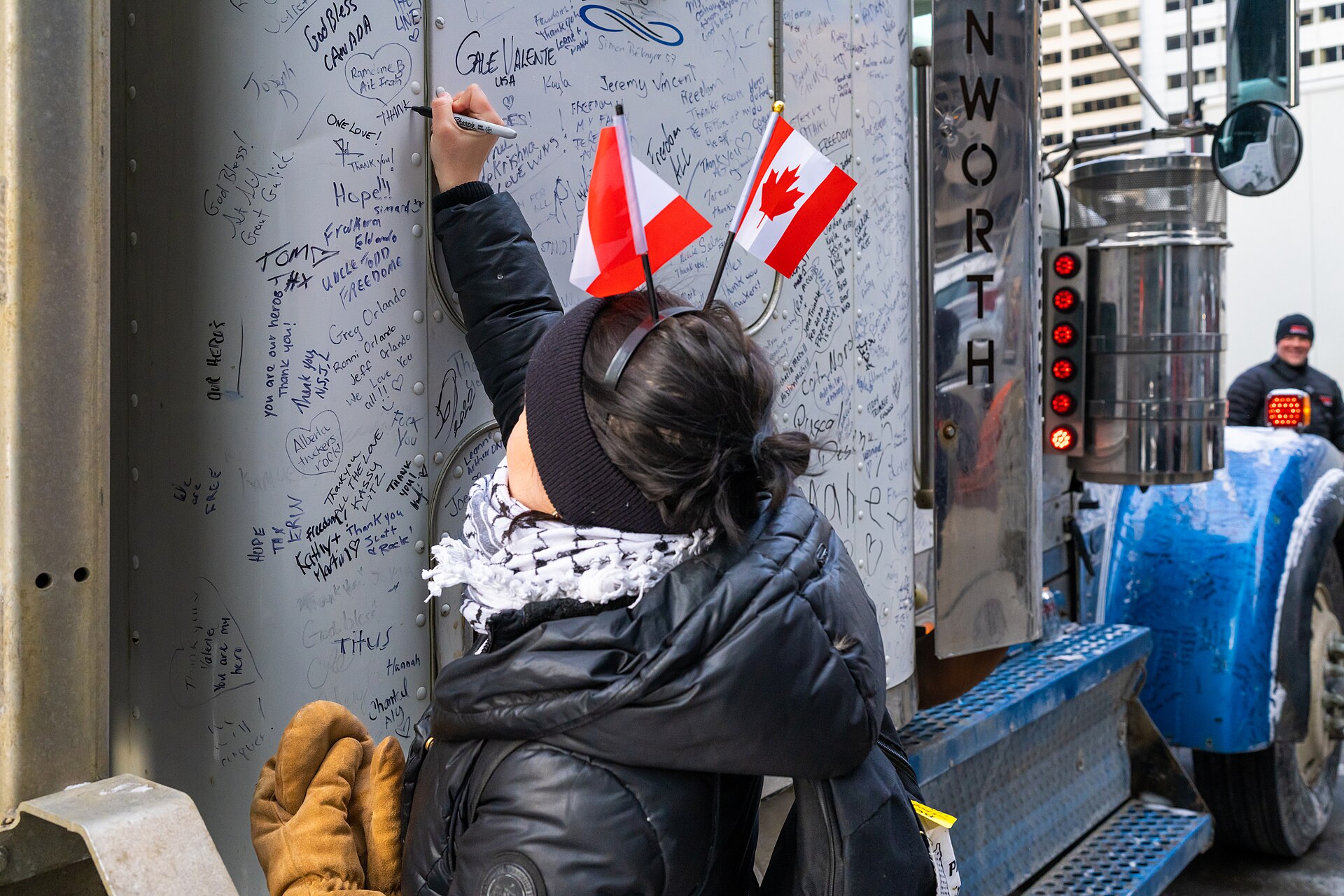
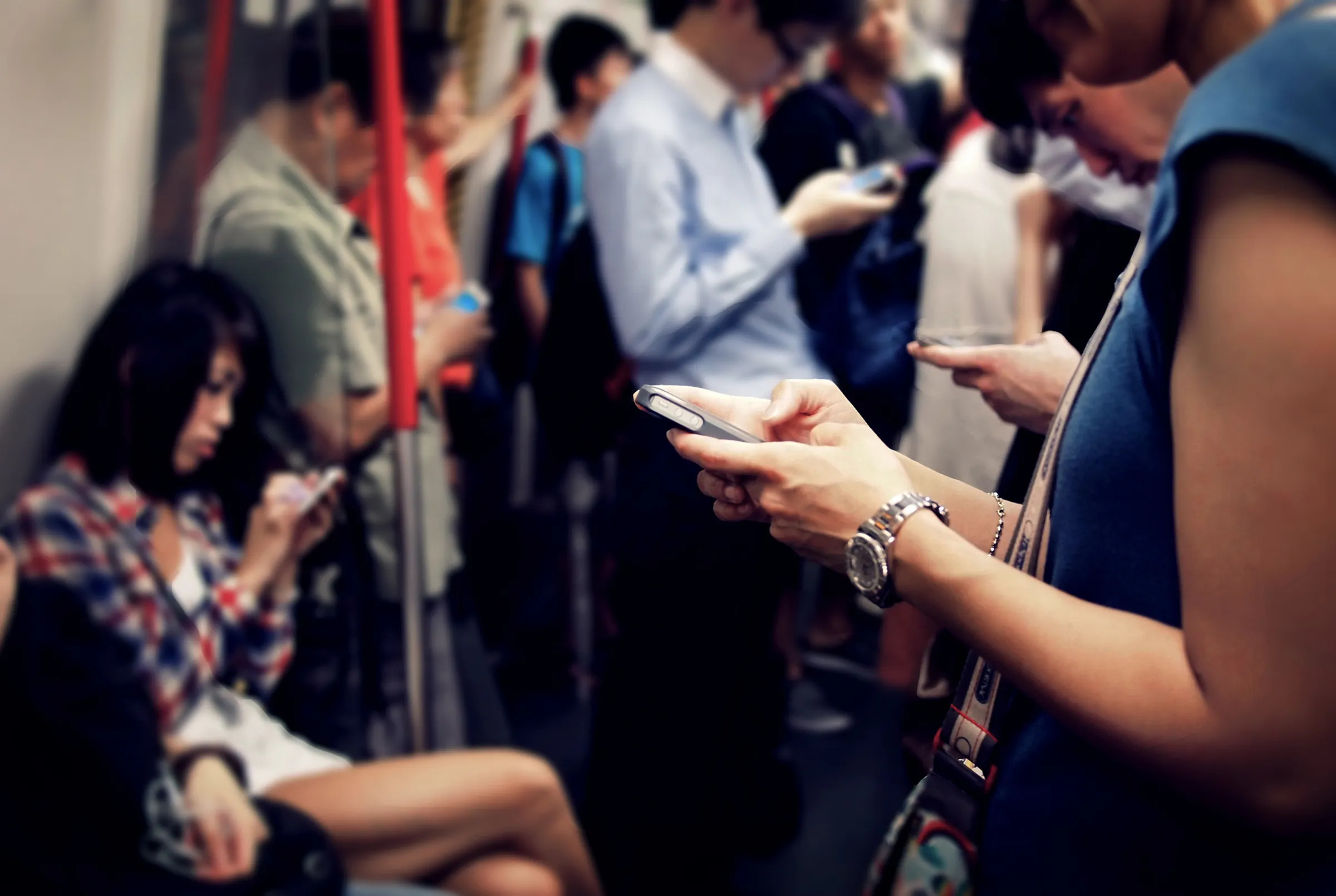
Phones have sped up and broadened student activism that goes back centuries, with mixed results, because online energy can mobilise young people or leave them cynical and disengaged.