Some Are More Equal: For VAT on Schools
Twenty months in, VAT on private school fees is bringing in close to the £1.5 billion a year expected, and enrolment has fallen only a little.
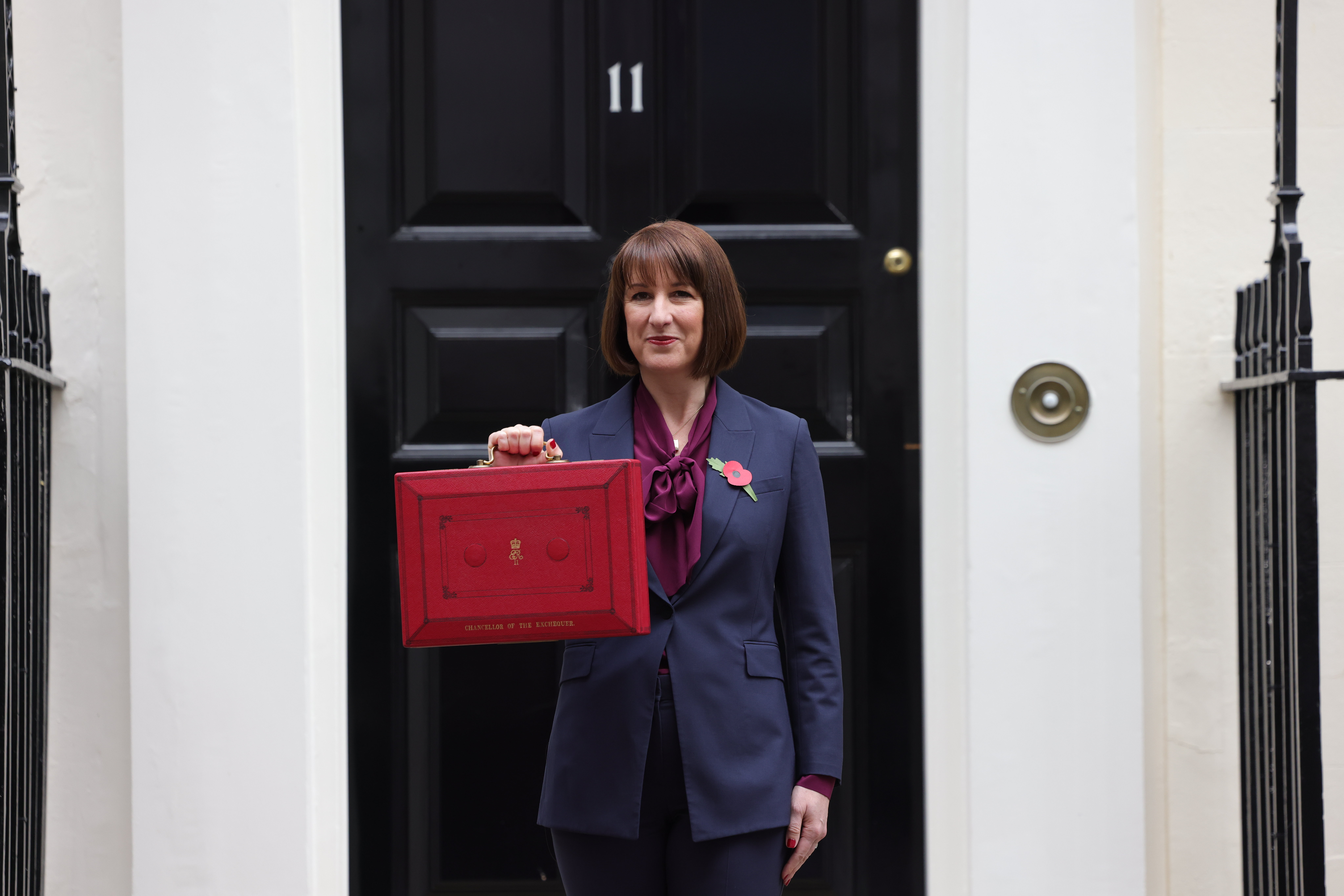

“ALL animals are equal, but some are more equal than others.” George Orwell wrote the line about a revolution that curdled, but it describes something closer to home. The United Kingdom guarantees every child an education; it does not guarantee them the same one. Roughly six to seven per cent of British pupils are educated privately, and that small minority has long enjoyed a level of spending per head that the state sector cannot come close to matching.
Since 1 January 2025, that arrangement has been taxed. The government removed the VAT exemption on education and boarding services supplied by private schools, so fees now carry value added tax – a consumption tax charged on the value added at each stage of producing a good or service – at the standard rate of twenty per cent. The Treasury explained the change as a measure “to raise revenue to support the public finances and help deliver the government’s commitments relating to education and young people, including the 94% of school children who attend state schools.”
The policy is no longer a proposal. It has been running for the better part of two years, which changes the question. It is no longer whether VAT on school fees would work, but whether it has. This essay argues that it has – more slowly than its supporters hoped and far less catastrophically than its critics feared, but in the direction its designers intended.
A System That Inherits Its Winners
The concentration of educational resources in Britain is not an accident of the market; it is the residue of history. The Butler Act of 1944 gave every citizen the right to a secondary education, but it left the fee-paying sector standing alongside the new state one rather than absorbing it. What followed was a textbook case of path dependence – the tendency of early advantages to lock in and reproduce themselves.
Families with generational wealth and educated parents send their children to private schools; those children go on to better examination results, better universities and better-paid work; and they, in turn, can afford the fees for the next generation. Educational success starts to look inherited rather than earned.
Concentration of this kind has genuine benefits, and it is worth being honest about them. Clustering money, teachers and ambitious pupils in the same institutions produces an agglomeration effect: stronger staff networks, better laboratories and playing fields, denser competition between able children. These schools become hubs, and hubs attract more of everything that made them hubs in the first place.
The trouble is what the clustering does to everyone outside it. Research published by the Institute for Fiscal Studies found that average private school fees across the UK stood at about £15,200 a year in 2022–23 prices, against roughly £8,000 of state spending per pupil – a gap of around ninety per cent. In 2009–10 the same gap was about forty per cent, or £3,500. Private fees rose by roughly a fifth in real terms over that period; state spending per pupil did not keep pace. The two sectors have been drifting apart for fifteen years.
That drift shows up in earnings. Claire Crawford and Anna Vignoles, working for the Institute for Fiscal Studies, found that privately educated graduates earned about seven per cent more than state-educated graduates three and a half years after leaving university – and that this gap survived comparing like with like, holding constant the university attended, the subject read and the class of degree awarded. Even among people doing the same job, the privately educated earned six per cent more.
Work by the Social Market Foundation for the Sutton Trust put the cumulative figure at nearly £200,000 of additional earnings between the ages of twenty-six and forty-two. The premium is smaller than the raw comparison suggests, but it is real, and it is not explained away by the schools simply admitting cleverer children.
What the Policy Was Meant to Do
The Department for Education expected the tax to raise about £1.725 billion a year, to be reinvested in state education. The Office for Budget Responsibility forecast a slightly lower path – around £1.5 billion in 2025–26, rising towards £1.7 billion by 2029–30. The Institute for Fiscal Studies, working independently and netting off the cost of educating pupils who move into the state sector, put the medium-to-long-run gain at £1.3–1.5 billion a year. Three different bodies, using three different methods, landed within a few hundred million pounds of each other.
None of them expected schools to hand over a full fifth of their fee income. Because a VAT-registered business can reclaim the tax it pays on its own purchases – input tax – private schools can now recover VAT on building work, equipment and services they previously bore in full. The Treasury estimated that the effective burden would settle at about fifteen per cent of fee income, and the Office for Budget Responsibility at 15.4 per cent, rather than the headline twenty.
Nor did anyone forecast an exodus. The government expected around 35,000 pupils to move into state schools, with HMRC putting the long-run figure at 37,000 – under half a per cent of the UK pupil population. The Institute for Fiscal Studies forecast a fall of three to seven per cent in private school attendance. Both assumed, in other words, that demand for private education would prove fairly insensitive to price.
The First Twenty Months
Everything turns on the price elasticity of demand – how sharply buyers cut back when a price goes up. If families are highly responsive, fees rise, pupils leave in large numbers, and the tax collects less than hoped while landing the state sector with a bill. If families are relatively unresponsive, fees rise, most pupils stay, and the revenue arrives largely as forecast. Before January 2025 this was a matter of assumption. It is now a matter of record.
Schools passed on more of the tax than the Treasury assumed they would. HMRC’s own impact assessment anticipated average fee increases of around ten per cent, with some schools absorbing the cost entirely and others passing on the full twenty. In the event, the Independent Schools Council’s census recorded average day fees rising from £6,021 a term in January 2024 to £7,382 in January 2025 – an increase of 22.6 per cent including VAT, against 8.4 per cent the previous year and 6.4 per cent the year before that. Families felt the whole of the tax and then some.
And most of them stayed. The Department for Education’s school census recorded about 11,000 fewer independent school pupils in the first year of the policy – roughly a third of what the government had budgeted for, and well short of the collapse that had been predicted. By the Independent Schools Council’s 2026 census, membership stood at just over 526,000 pupils, some 30,000 below its pre-VAT peak and the lowest in almost a decade.
The decline is real, it is continuing, and it is concentrated at entry points such as Year 1, Year 3, Year 7 and the start of the sixth form, which suggests fewer families joining rather than many pulling children out mid-education. But after a fee rise of more than a fifth, a fall of a few per cent in enrolment is the signature of a market that is relatively inelastic, not an elastic one.
This is close to the scenario Rupert Macey-Dare described, in a paper written before the policy began, as the government “milking the private sector cash cow”. The tax base held.
Where pupils have moved, the state sector has absorbed them without the crisis that was forecast: the government pointed out that 83 per cent of primary schools and 77 per cent of secondaries had at least one unfilled place, and a movement of this size spread across the whole country amounts to a fraction of a pupil per school per year group. Where private schools have shed teaching staff, some of those teachers have moved into the state sector, which is where the shortage was.
There has been a cost, and it should not be glossed over. At least 65 independent schools closed during 2025 – 51 mainstream schools and 14 special or alternative providers. That is a real loss to real families, and small preparatory schools with thin reserves have borne most of it.
But the researchers who compiled that count also observed that the 2025 figure was broadly in line with previous years, and the government had itself budgeted for around 100 additional closures over three years above the sector’s normal rate of turnover. Falling birth rates were shrinking the school-age population before VAT arrived and will go on doing so after it. Attributing every closure to the tax mistakes a trend for an event.
Externalities and the Long Run
Education is the classic example of a good with positive externalities – benefits that spill over to people other than the person buying it. A better-educated population votes more thoughtfully, commits less crime and pays more tax. Economists usually conclude from this that education is under-consumed and should be subsidised, and the case against VAT rests heavily on that conclusion.
But a subsidy is only justified where the spillover is real, and the argument has to face an awkward question: whose education is being under-consumed? Exempting private fees from VAT was, in effect, a subsidy delivered to the families least likely to be deterred by the price – a tax break for people who would have bought the good anyway.
Removing it and spending the proceeds on the ninety-four per cent moves public money towards the pupils where an extra pound buys the most additional learning. That is not levelling down. It is the ordinary logic of allocative efficiency: resources should go where their marginal return is highest, and the marginal return to spending on a child in a class of thirty-two is higher than on a child in a class of twelve.
Whether that reinvestment materialises is the test the policy has yet to pass. Roughly £1.5 billion a year is a meaningful sum – but spread across the school system it is a small percentage of the state education budget, and it will not close a ninety per cent spending gap on its own.
The honest claim for VAT on school fees is not that it makes British education equal. It is that it stops the tax system actively subsidising the inequality, and it does so without the collateral damage that was predicted.
What VAT Cannot Do
A tax raising something under £2 billion cannot, by itself, transform the schooling of nine million children. If the money is distributed evenly it will do very little anywhere; if it is distributed towards the schools and regions with the greatest need, it might do a great deal in a few places. Britain’s educational inequality is not only a private-versus-state problem but an urban-versus-rural and north-versus-south one, and a policy that ignores that will simply reproduce the old imbalance inside the state sector.
The obvious safeguard is transparency about where the money goes. A standing body within the Department for Education, publishing annually on what the receipts from this tax have funded and what those schools achieved, would let the public judge the policy on its results rather than on its intentions. Without that, the revenue simply disappears into the general fund and the argument about whether the tax was worth levying can never be settled.
Conclusion
Twenty months of evidence have narrowed the argument considerably. The exodus did not happen: enrolment has fallen by a few per cent, not collapsed. The revenue is arriving broadly as the three independent forecasts suggested it would. The closures are real but close to the sector’s ordinary rate of attrition, and the demographic pressure behind them predates the tax. What remains is a genuine transfer – roughly £1.5 billion a year moving from the wealthiest families in the country towards the schools that educate almost everybody else.
That is a modest achievement, and it deserves modest claims. VAT on private school fees will not make socio-economic mobility in Britain fluid; nothing so cheap could. But a system in which some animals are more equal than others is not improved by exempting the more equal ones from tax. Ending that exemption was the least a government could do, and the evidence of the first twenty months is that it could be done without the sky falling in.