The Woman Who Wasted My Time
An eight-hour bus ride beside a 78-year-old stranger who marvelled at every sunset leads a writer to argue that optimising your time can leave you under-lived.

THE bus from Zagreb to Sarajevo is advertised as an eight-hour ride, and I’d planned out every hour of it before we even pulled out of the station. I was still coming down from a Lorde concert in Pula, ears ringing, and the plan was to use the ride south to catch up on everything: an article I owed, five or six overdue emails, a podcast queue set to one-and-a-half speed, because normal speed always feels like I’m wasting something.
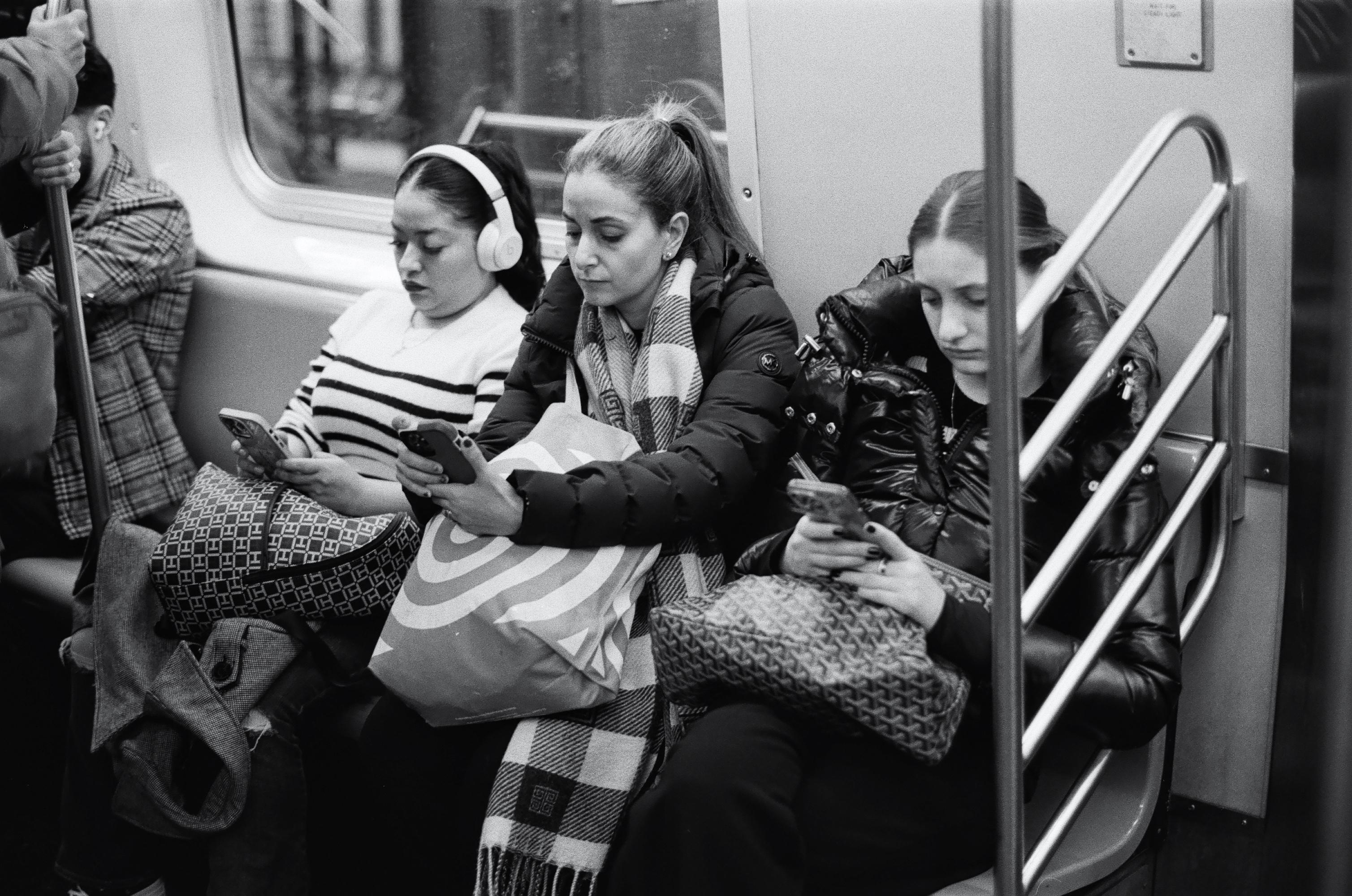
I even chose my seat strategically. Scanning the aisle, I spotted a small, neat woman in her seventies and ran the calculation instantly: a quiet seatmate meant I’d actually get through my list. I asked if I could sit, and she said of course, looking genuinely pleased about it, like I’d offered her something instead of asked for it. She had one request: could I lift her bag onto the overhead rack? I did, she thanked me, and I settled back in, confident about the article and the emails.
Then, somewhere before the border, I asked her something small, just to be polite. I never got back to my laptop. The article and the emails died quietly somewhere in between. I want to tell you about the person who killed them.
She declined to treat the small talk as small. She spoke slowly, the way people do when they’ve stopped being in a hurry, and it worked on me the way the first page of certain novels does: you know, before anything’s happened, that you won’t be getting anything else done that day. What I was watching, it turned out, was a woman in love with the world. Not naively; she was seventy-eight, which doesn’t leave naivety much room. Still, I kept waiting for it to run out, the way conversations with strangers eventually do. It never did.
Earlier this year, a clip went around from The Diary of a CEO, a podcast hosted by Steven Bartlett. It’s one of the most listened-to shows on the planet, dedicated in large part to the maintenance and upgrading of the self. In the clip, Bartlett describes drinking wine again after months of not drinking: three glasses, and he makes a point of saying he never got drunk. It didn’t matter: “it ruined three days of my life,” he said. The wine cost him a night’s sleep, then had him chasing dopamine through junk food the next day, then took his workouts too, and by the end of it he still felt foggy. His WHOOP band, the wrist tracker that turns your sleep and recovery into a morning score, backed him up. He didn’t believe it until it came with a number.
The backlash arrived fast. Sommeliers and broadcasters rose to defend the honour of the long dinner, and the dunks wrote themselves. A man auditing his own pleasure and coming up short is too easy a target to leave alone.
But here’s the uncomfortable part: Bartlett isn’t wrong. Alcohol genuinely wrecks sleep, and the research on this is boring in its consistency – a drink helps you fall asleep and then fragments the second half of the night, which is why you wake at five feeling as though you never went under. Three glasses on Saturday will show up somewhere in your Tuesday. What unsettled me wasn’t the maths. It was the logic behind it: that an evening is an input, that the self is a production facility, and that every hour must justify itself in the currency of subsequent output.
This logic already has hardware. An Oura ring grades your sleep. A WHOOP band, the same kind that caught Bartlett, grades how well you recovered from it. Once recovery itself is something you can fail, it’s a short step to a mattress that chills itself to sixty-one degrees Fahrenheit – about sixteen Celsius – a morning stack of supplements each footnoted to a study, dinner reverse-engineered from a blood panel.
At the far end of the same logic stands Bryan Johnson, the tech centimillionaire who has turned his own body into a longevity laboratory, weighing every calorie and putting himself to bed at eight-thirty sharp, on the theory that death is an engineering problem that has simply not yet met its engineer. Most of us are not Bryan Johnson, but most of us are running some hobbyist version of his firmware: a streak you don’t want to break, so you check the score before your eyes are even open, and if the afternoon produced nothing, a small guilt shows up right on cue. Somewhere in there, the day stopped being a day and became a dashboard.
A nap gets called recovery now, as if rest still had to justify itself as work. Leisure used to be the point of the machine; now it’s maintenance for it. Even the sunset gets put to work: watch it, the protocols say, for your circadian rhythm. That’s true. It’s also, apparently, the only excuse left for watching one.
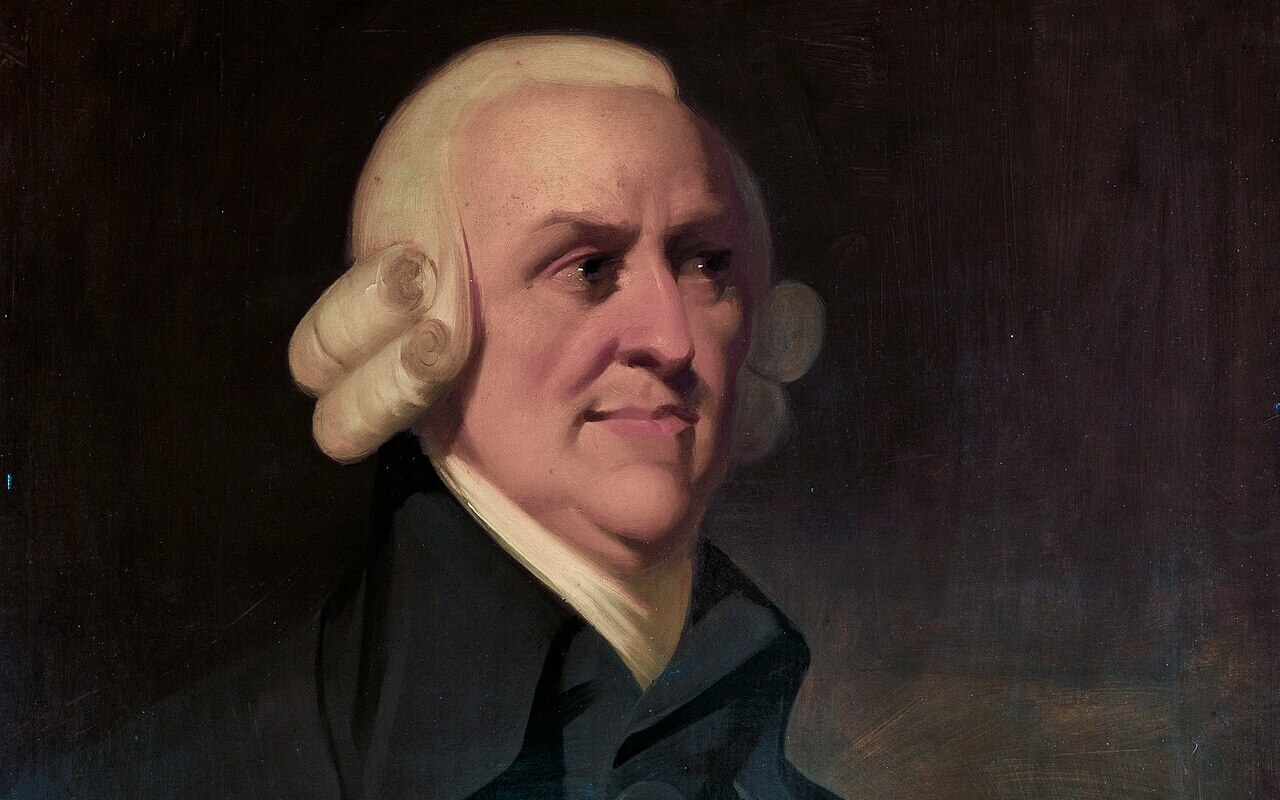
The easy move here is to sneer, but none of this is stupid. Sleep matters, exercise matters, and the people buying the bands are seriously trying not to waste the one life they get. Herbert Simon saw this coming decades before the gadgets did, back in the nineteen-fifties. Real optimisation is impossible for actual humans, he argued, because the information is never complete and the computation never ends. What sane people do instead is satisfice, his word for taking the good-enough and moving on. He meant that as a description of how living works. We hear it as settling, so plenty of people refuse to do it.
Psychologists have a name for the refusers: maximisers. And they keep hitting the same pattern: people who can’t rest until they’ve found the best option do measurably better and feel measurably worse. In one well-known study, maximiser job-seekers landed starting salaries around twenty per cent higher than everyone else – and liked their jobs less. That’s the part that should worry us. The optimised life works, and that’s exactly what’s damning about it.
We crossed the border, passports collected and handed back within a few minutes, and we didn’t stop talking through any of it. I told her about the Lorde show, still a little loud in my head. She told me about her children, and about a whole working life spent teaching, years of it in Dortmund. She lit up describing it, like she’d go back tomorrow if anyone asked.
She talked about eighty years of the world rearranging itself around her, how differently her parents had raised her than parents raise children now. She’d grown up in Varaždin, studied in Zagreb, taught in Germany, and after that just kept going: Egypt, and most places past it. Twice my hand drifted toward my bag out of habit, reaching for the laptop before I’d even decided to, and both times I just left it there. Somewhere in the last hour I’d stopped tracking how much of the ride was left, and it didn’t bother me that I had.
Her husband had died some years before. For the last ten years of his life he was blind, and she had spent those years at home with him; the travelling came after, late, a shell she was still in the middle of leaving. She told me this without a gram of self-pity, as fact, the way you’d report weather that has since cleared. And she spoke about death, hers, eventually, with a settledness I have only ever seen in the devout, as if it were simply a stop further down the same road.
At one point she lost her train of thought mid-sentence. I braced for the small flare of frustration people show at their own ageing, the muttered curse at the declining machine. Instead she smiled and announced that her mind was resting: it had told her, don’t bother me now, I’m on vacation, and she laughed, and let it go. Fifteen minutes later the thought came back on its own schedule. It was not fear of ageing, and it was not denial of it either. Somewhere around Banja Luka I found the word I wanted for her, a word I have never once heard anyone list as a goal: content.
Then the light began to go long. South of Banja Luka the road picks up the Vrbas and follows it through its canyon, and for roughly two hours around sunset we mostly stopped talking and looked out the window, and she began to narrate the sky. “Wow,” she said. “Look at that. So beautiful.” “Isuse Bože” (Jesus, God), which sounds like swearing in English and like prayer in Croatian. Each time sounded like the first time.
It wasn’t. Multiply it out and she had seen something on the order of twenty-eight thousand sunsets, and she had carried her astonishment intact through all of them, to this one, on a bus, through glass that needed cleaning. I’ve taken that road many times, and the canyon stopped registering years ago: just scenery I’ve learned to look past. She even rooted for the construction sites. A half-built something by the roadside, and she lit up. “How wonderful,” she said, “they’re building here.” She saw signs of life everywhere and treated every one of them as good news.
There’s a name for what I’d just watched her do: resonance, a term the German sociologist Hartmut Rosa uses for the difference between an evening that happens to you and one that happens with you. It’s the difference between seeing a sunset and having it pull a “wow” out of you unplanned, the world reaching you and you reaching back.
His larger argument is that modern life spends itself making the world available: calculable, predictable, on demand. Resonance is exactly what that project suffocates, because it can’t be summoned on command. It arrives, or it doesn’t. That’s the catch: you can optimise every condition of your life and, in the same motion, seal yourself off from the thing those conditions were for. You can buy the ticket. You cannot buy the sunset landing on you.
A sunset does nothing. It doesn’t build toward tomorrow the way a good night’s sleep does, and it can’t be logged, streaked, or scored. By every audit I know how to run, the woman beside me had just wasted two hours, squandering them on a rerun she’d already seen twenty-eight thousand times. Pure expenditure, no return, unless you’ve been counting the wrong thing all along.
Maybe the whole apparatus, the scores, the streaks, the protocols, the pre-dawn routines, is built to maximise your capacity for experience, and ends up quietly amputating your capacity to actually have one.
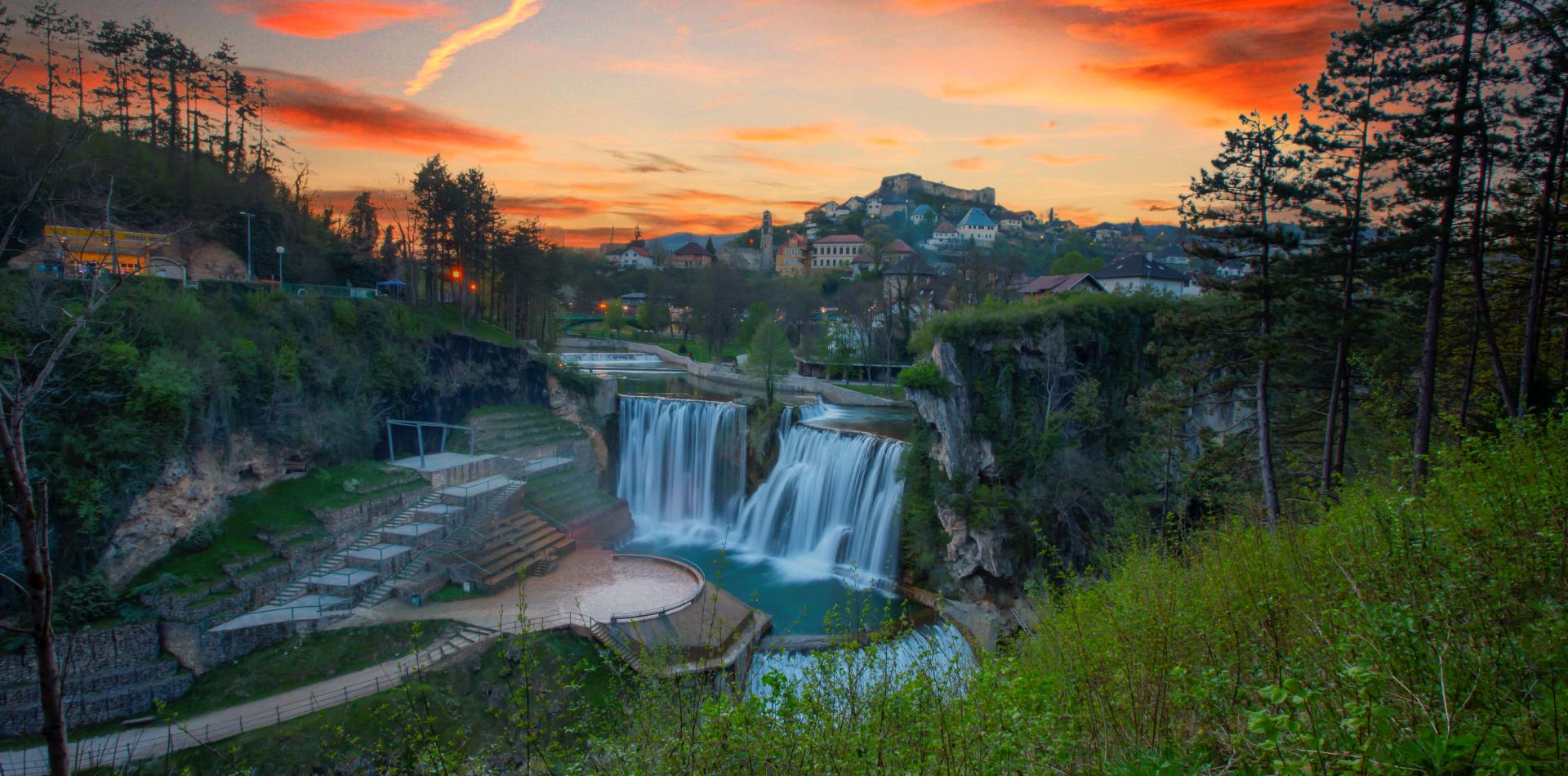
The bus stopped in Jajce, where a river throws itself off a cliff in the middle of town. She had mentioned earlier that she’d never seen it; I had told her the waterfall was worth seeing. At the station I realised how close we were, and then the two of us, eighteen and seventy-eight, sixty years between us, were hurrying through the streets like kids skipping class, to stand in the spray for a minute while the driver fumed.
She took one photograph. She thanked the water, more or less, for existing. We came back mildly scolded and completely unrepentant, and I understood that this, too, was a thing the machine has no gauge for: the detour, the unbudgeted minute, the small rebellion of going to look at something for no reason at all.
An hour and a half before Sarajevo she gathered herself for Travnik, where a wedding was waiting for her. I lifted her bag down from the rack, closing the small bracket we had opened back in Zagreb, and we said goodbye the way strangers do, with a warmth that has nowhere to go. I never learned her name. We had skipped introductions at the start, and after that the window quietly closed, so she remains what she was: the woman on the bus.
For the last stretch I rode beside her empty seat, the laptop still zipped in the bag. Opening it would have felt like turning the lights on in a theatre.
Somewhere in the dark, the road began its long descent into Sarajevo, which sits in a bowl of hills, so the whole city arrives below you all at once, lit. I walked into the station already feeling the last eight hours start to slip, the way a good dream does the moment you’re awake enough to know you’re losing it.
Bartlett and the woman on the bus, I’ve come to think, are not opposites. Both are engaged, with total seriousness, in the same project: trying not to waste a life. They just disagree about where the waste happens. In his cosmology, waste is unproductive time: the fogged morning, the hours that fail to convert. In hers, waste is unreceived world: the sky that goes unremarked, the stranger who stays a screen away, the waterfall not run to.
Economics, of all disciplines, has a vocabulary for the difference. Efficiency is doing a thing with the least waste of input; utility is the satisfaction the thing was for. The first was only ever supposed to serve the second.
In 1930, John Maynard Keynes looked at the productivity curves and predicted that his grandchildren would work fifteen-hour weeks and face the terrifying question of what to do with their freedom. The productivity arrived on schedule. The freedom never did. In his own words, we’d been “trained too long to strive and not to enjoy.” A century spent getting ruthlessly efficient at life, and here we are, auditing our wine. Over-efficient and under-lived: a machine tuned to perfection that never leaves the driveway.