The Propaganda You Don’t Notice
Propaganda works best when nobody calls it that, and a seventeen-year-old writer recommends curious, self-directed reading as the best defence.

I entered high school as a naïve, insular fourteen-year-old who worried too much about fitting in. Now I am seventeen, with a bigger understanding of the world, the systems I live under, and the social justice issues that run through the lives of the people around me, especially teenagers, often without anyone noticing.
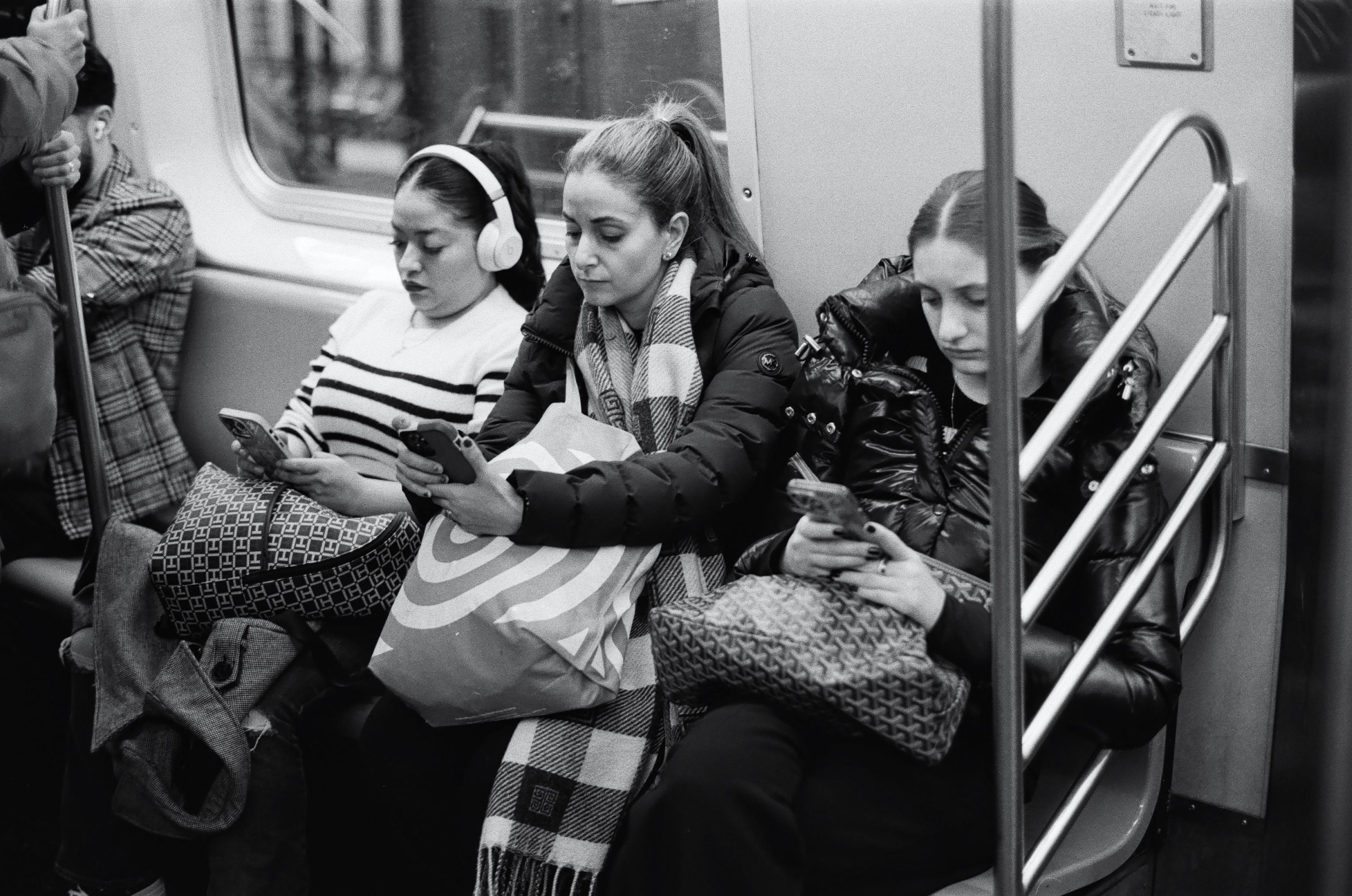
Generation Z has grown up surrounded by technology and social media designed to enhance our lives, which instead risk making us passive. The more social media dominates our lives, the more susceptible teenagers like me become to believing only in the version of the world we choose to see. Governments and multinational corporations now curate their personas online to seem familiar and trustworthy to young people, and in doing so they can mask their faults and their real goals.
The same is true of the news and of the social expectations we absorb. As a result, my generation can be more easily persuaded by powerful people we were taught to think of as good.
What Is Propaganda?
Dictionaries define propaganda as information, especially of a biased or misleading kind, used to promote a particular cause, doctrine or point of view. It can be used to inspire, as with the Second World War image of “Rosie the Riveter”, which celebrated the women who moved into America's wartime factories. It can equally be used to provoke fear, as in President Lyndon Johnson's 1964 “Daisy” campaign advertisement, in which a young girl counting the petals of a daisy fades into the countdown to a nuclear explosion.
Sometimes we do not recognise propaganda at all unless someone points it out to us. One example that rarely gets called propaganda is the Red Scare, the post-war panic about communists inside the United States, and the way its effects still shape how many Americans think today.
The Red Scare
If you had asked me four years ago what communism was, I would first have told you I had no idea, and second, I would have assumed it was something bad, purely because of the stigma around the word and what I had absorbed growing up. The anti-communist messaging of the Cold War has somehow still seeped into my life as a high-school student in 2026.
The United States spent enormous sums trying to stop communism taking hold in developing nations, and the reasoning behind this was often left vague. Looking across those interventions, though, one common thread runs through many of them: American economic and strategic interest.
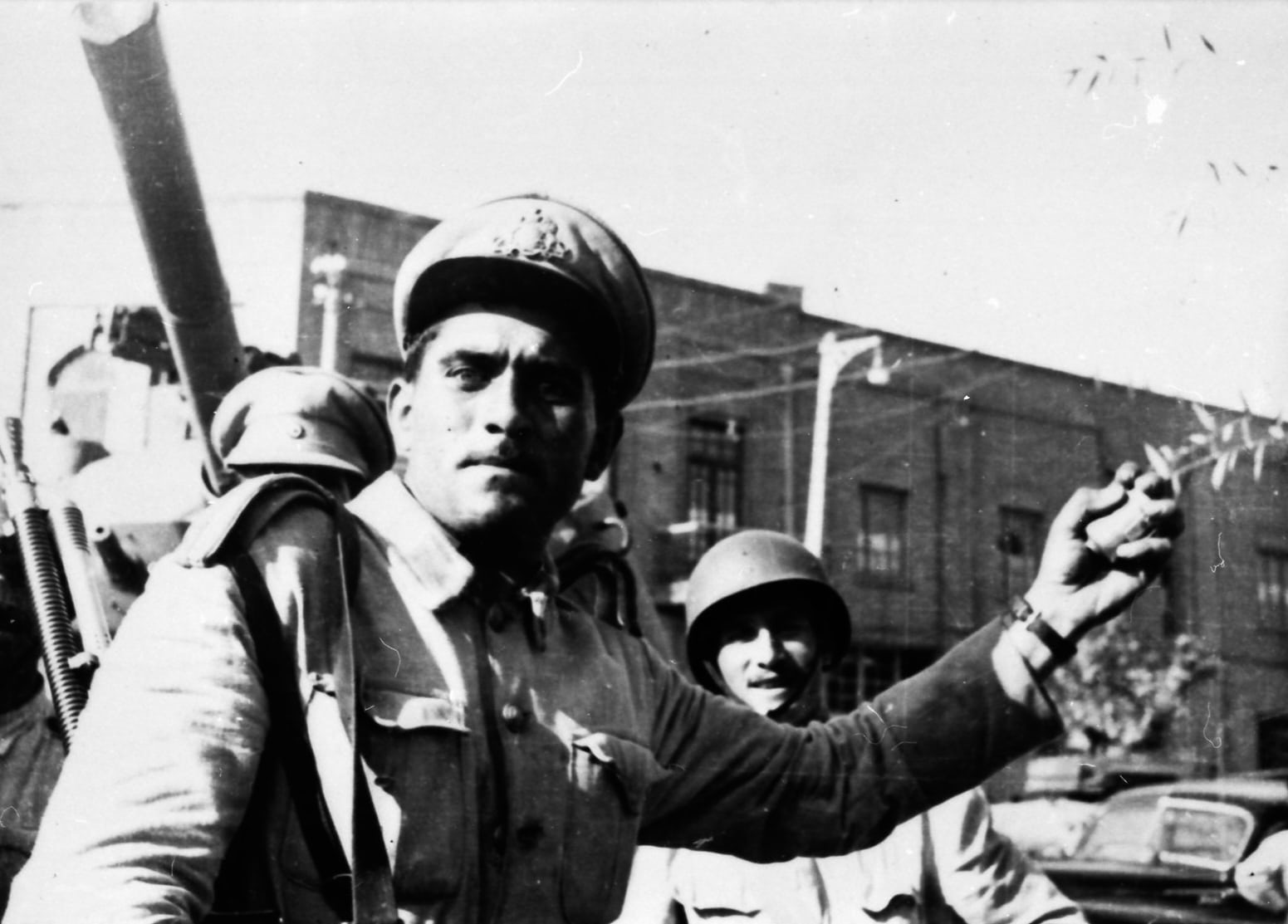
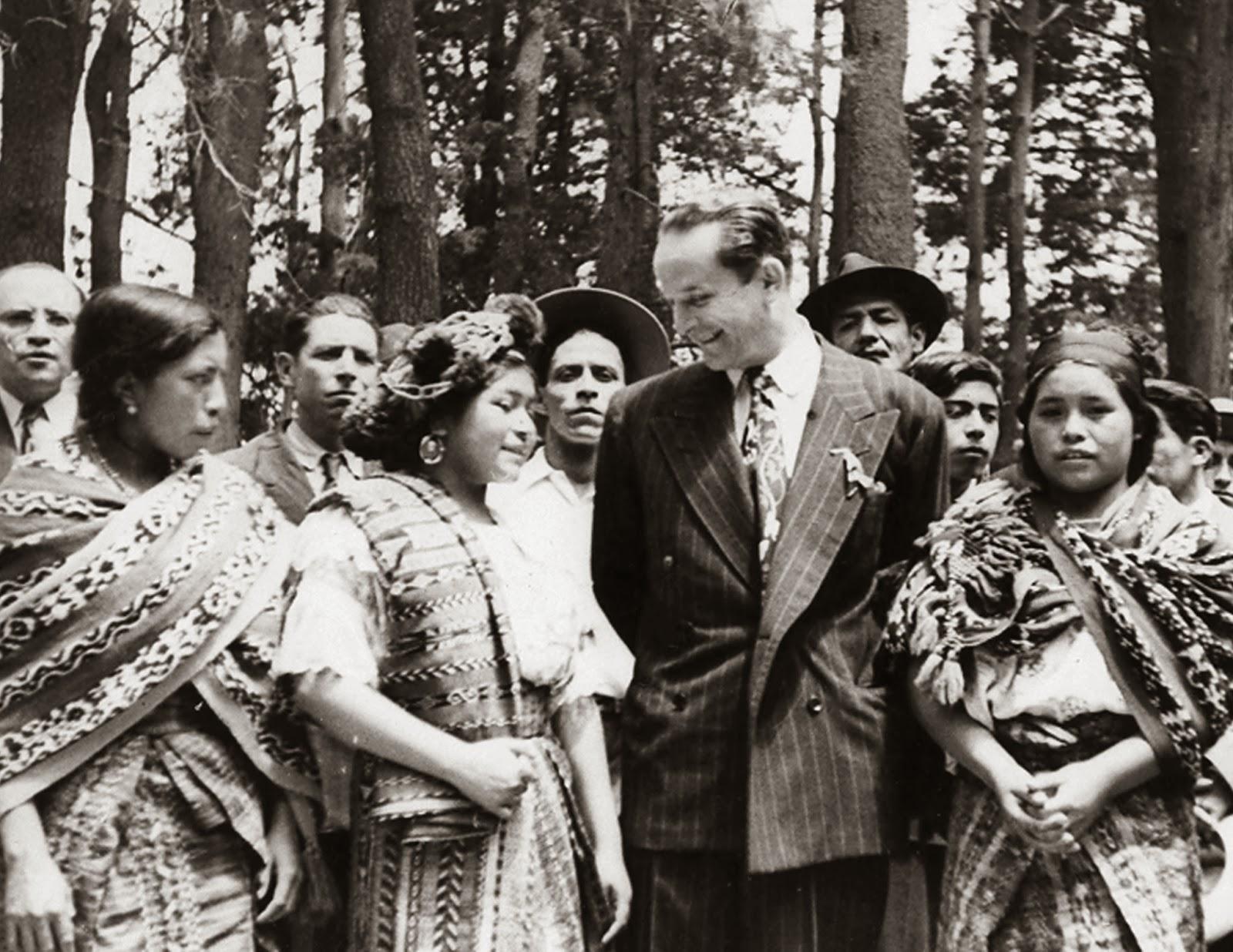
Guatemala is a clear example. In 1954, the CIA backed a coup d'état that overthrew the country's democratically elected president, Jacobo Árbenz. Árbenz's land reforms had redistributed unused farmland, including land held by the American banana giant United Fruit Company, and Washington presented his government as a communist threat. To defeat communism, as they saw it, and to protect American economic interests, the coup's backers installed the exiled army officer Carlos Castillo Armas in his place.
Castillo Armas's government answered with a wave of repression. Historians estimate that more than three thousand people were arrested in the months after the coup, many of them branded communists without trial, and the historian Greg Grandin records that around a thousand agricultural workers were killed on a single plantation, Finca Jocatán. The land reforms Árbenz had introduced were reversed, and the labour and peasant unions that had organised under him were violently suppressed. This is only one example of the many US interventions carried out in the name of stopping communism abroad.
I would not have known any of this had I not read The Jakarta Method by the journalist Vincent Bevins, which traces how many such interventions were carried out in the name of stopping communism. Nor would I have realised how many people still repeat Cold War assumptions about communism without ever pausing to define what the word means, or how much my own beliefs had been limited by my own narrow experience. That raises the obvious question: how do we actually combat propaganda?
How We Fight Back
The first step, in my view, is open-mindedness. Wanting to learn more about the world, and trying to understand why people act the way they do, is already a step towards resisting propaganda. Being open-minded means letting yourself learn about perspectives you may not agree with, and weighing both sides of an issue instead of leaning into a bias you already hold.
To get there, you first have to notice your own narrow-mindedness: the quick, defensive reactions that certain ideas trigger in you. Once you are aware of how you see the world, you can start making conscious efforts to change your mindset, clearing space for new knowledge instead of filtering everything through old assumptions.
The second is learning beyond the classroom. Many teenagers see school as something to get through on the way to a job, then a living, and then, eventually, happiness. In America especially, the pressure to choose a well-paid career leads many students to dismiss history, the arts and the humanities as impractical.
If you find yourself treating your classes purely as boxes to tick before graduation, I would strongly recommend pursuing the things you are actually interested in outside school. More often than not, you will find that they connect back to what you are taught in class, just not in the way you assumed. Education systems, I would argue, also tend to reflect the priorities of the societies that fund them, which is one more reason to look beyond the syllabus. The point of learning outside the classroom comes down to this: learn for the sake of knowledge, not simply for opportunity.
The third is reading, which is how media literacy is built. One way to start educating yourself is to read the news every day, choosing outlets that are independent or that work hard to be even-handed. A source with a strong editorial stance shapes what it chooses to cover and how; relying on a heavily slanted outlet will shape how you think about a topic even when you are not aware of everything you are missing.
Books, especially ones that engage with issues still relevant today, can deepen your understanding of why unjust systems persist and what it might take to change them. It is worth reading with an open mind before settling on a position, and worth deliberately reading critiques of your own beliefs, so that you understand more clearly what you stand for and why.
Conclusion
Ultimately, I would urge other young people to seek out new experiences through reading and learning. Because our experiences shape what we believe, it is worth deliberately seeking out the ones that make us uncomfortable. We should be willing to examine the world from outside our own assumptions, and to consume media that challenges our existing views, so that over time we form a picture built on more information than we started with. That is how we resist propaganda: not with a single trick for spotting it, but with a lasting willingness to keep learning.