When the Markets Said No
Liz Truss lasted seven weeks as Prime Minister, and the article traces how one unfunded mini-budget set off a bond-market panic that ended her leadership.
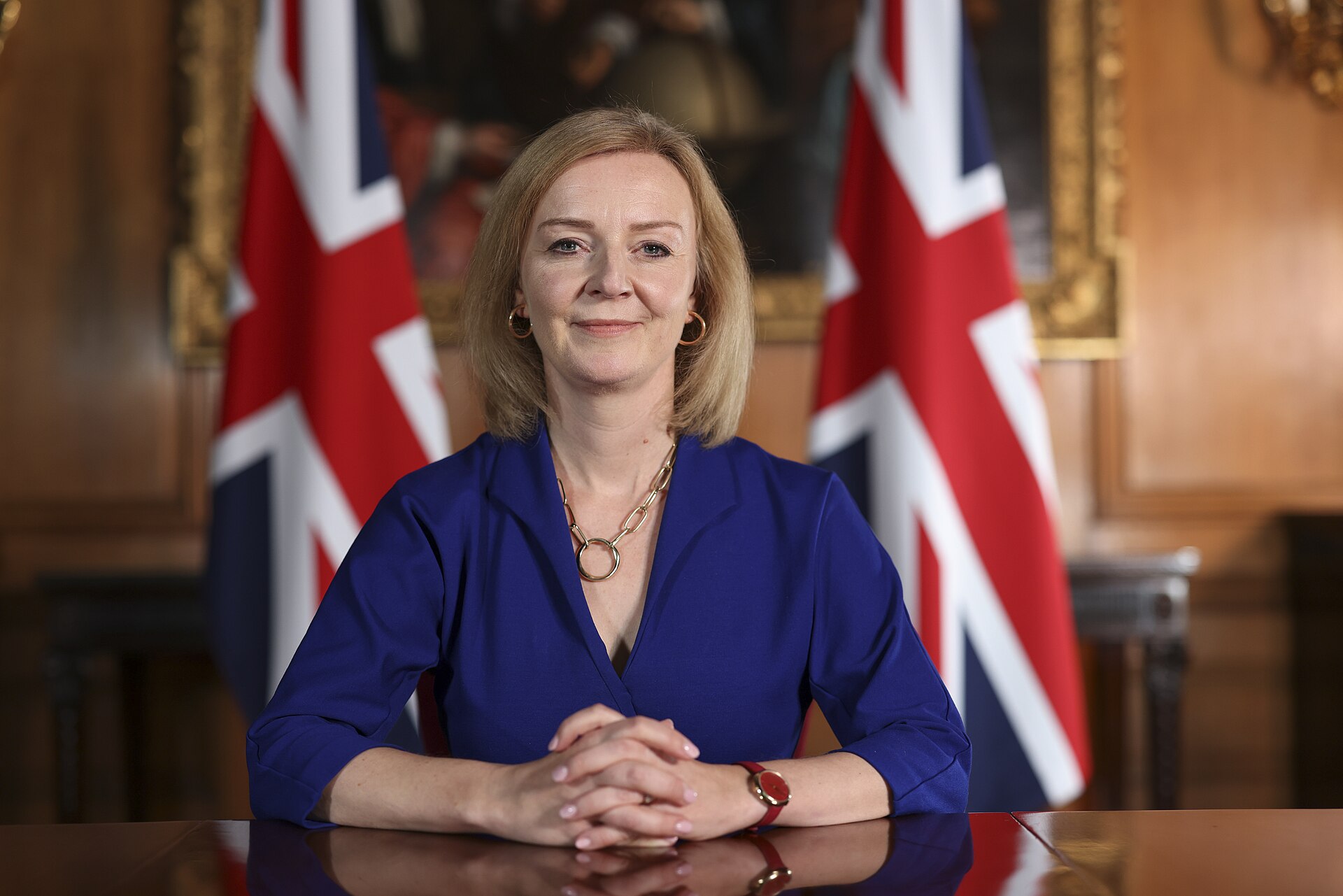

“I AM a fighter and not a quitter!” Liz Truss told the House of Commons on 19 October 2022. The next day she resigned as Prime Minister.
On paper, she had looked like exactly the kind of leader the Conservative Party wanted: an Oxford graduate in Philosophy, Politics and Economics, an MP for twelve years, a cabinet minister for eight of them, and the clear winner of the party's leadership contest, in which she took 57 per cent of the vote among Conservative members.
In practice, her time in office became a case study in how quickly a government can lose control: of its economic policy, of the bond markets, and finally of its own MPs. It left the Conservative Party visibly weaker in the run-up to its landslide defeat at the 2024 general election.
A True Believer
Truss did not stumble into her economic programme; she had campaigned on it. A committed supply-sider, she argued that lower taxes and lighter regulation would raise Britain's growth rate by making the country more attractive to business and investment. She also backed a version of trickle-down economics, the theory, disputed by most mainstream economists, that tax cuts for higher earners and companies eventually benefit everyone else through higher investment and employment.
Admirers and critics alike compared her with Margaret Thatcher and Ronald Reagan, both of whom had pursued similar policies in the 1980s, and many read her programme as an attempt to recreate their legacies. To deliver it, she appointed Kwasi Kwarteng, a close ally and former investment banker, as Chancellor of the Exchequer.
The Mini-Budget
On 23 September 2022, Kwarteng delivered what the government called a “Growth Plan” but which almost everyone else called the mini-budget. Paul Johnson, director of the independent Institute for Fiscal Studies (IFS), called it the biggest tax-cutting event since 1972.
The headline measure was the planned abolition of the 45 per cent additional rate of income tax on incomes above £150,000, which the IFS calculated would give the roughly 600,000 people affected an average gain of about £10,000 a year. The policy drew immediate criticism for benefiting the wealthiest taxpayers in the middle of a cost-of-living crisis, with inflation already running at close to 10 per cent.
Alongside it, Kwarteng cancelled the planned rise in corporation tax, keeping it at 19 per cent instead of letting it rise to 25 per cent, and reversed the 1.25 percentage-point increase in National Insurance introduced only months earlier. The same statement set out the scale of the government's energy support, which Kwarteng put at around £60 billion for the first six months alone: the government was borrowing heavily to shield households and businesses from the energy crisis while cutting the taxes that might otherwise have helped pay for it.
Crucially, ministers chose not to publish an independent forecast from the Office for Budget Responsibility (OBR), the government's independent forecaster, alongside the statement, breaking with recent convention and leaving markets to judge the plan's credibility with no official figures to weigh against it.
Markets Revolt
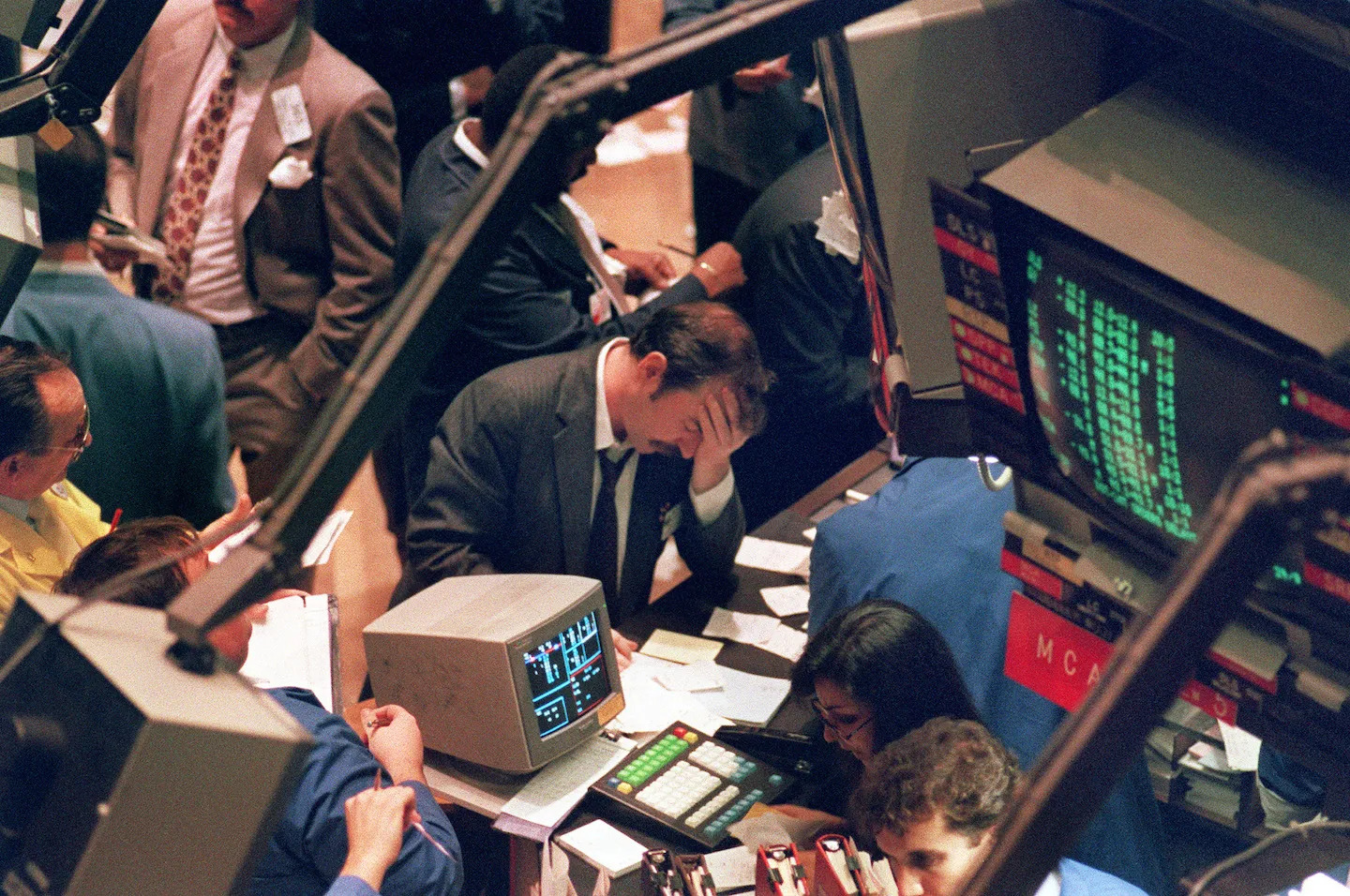
They judged it harshly, and fast. On 26 September the pound fell to around $1.03 against the US dollar, its lowest level on record, as investors concluded that the government had committed to tens of billions of pounds of unfunded tax cuts with no credible plan to pay for them.
The reaction in the bond market was more severe still. The yield on 30-year UK government bonds, or gilts, which is in effect the interest rate the government pays to borrow over three decades, climbed by more than a full percentage point in a matter of days. Jon Cunliffe, the Bank of England's deputy governor for financial stability, later wrote to MPs on the Treasury Committee that, measured over four days, the rise was more than twice as large as the biggest comparable move since 2000.
That surge exposed a hidden vulnerability in Britain's pension industry. Many defined-benefit pension schemes, which promise members a set income in retirement, used so-called liability-driven investment (LDI) strategies, which involved borrowing against their gilt holdings to hedge long-term liabilities.
As gilt prices fell, those funds faced demands for extra cash, known as margin calls, that forced them to sell more gilts, which pushed yields higher still in a dangerous feedback loop. To stop that spiral from destabilising the wider financial system, the Bank of England announced on 28 September that it would buy long-dated gilts “on whatever scale is necessary”.
By 14 October it had bought £19.3 billion of gilts, £12.1 billion of conventional bonds and £7.2 billion of index-linked ones, with the Treasury indemnifying the operation against losses. It sold them all again between late November and January 2023, once markets had calmed.
The Reckoning
Market turmoil bled quickly into political crisis. Facing a collapse in support among her own backbenchers, Truss abandoned the abolition of the 45p rate on 3 October. It did not save Kwarteng, whom she sacked on 14 October even though he had campaigned alongside her on the very programme she was now dismantling.
His replacement, Jeremy Hunt, reversed almost all of the mini-budget's remaining tax measures within days, a decision that steadied the markets but left an open question about who, if anyone, was still setting government policy.
The chaos deepened on 19 October, when Home Secretary Suella Braverman resigned after breaching the ministerial code. That same evening, a Commons vote on fracking descended into shouting and reported jostling among Conservative MPs, amid confusion over whether the government was treating it as a vote of confidence.
Having lost the confidence of the bond markets, then her Chancellor, then her Home Secretary and finally her own parliamentary party, Truss announced her resignation the next day, 20 October, just 44 days after taking office. She was succeeded on 25 October by Rishi Sunak, the rival she had beaten in the leadership contest seven weeks earlier. Her 49 days in office made hers the shortest premiership in British history, far shorter than George Canning's 119 days in 1827, the previous record.
Conclusion
Truss had promised, on entering Downing Street, a decisive break from what she regarded as years of excessive caution in British economic policy. What she delivered instead was the fastest unravelling of a British government in living memory, driven less by any single error than by a compounding loss of confidence, among investors first, then MPs, then the public, once it became clear that the numbers behind her programme did not add up.
The Conservative Party never fully recovered the reputation for economic competence that collapsed alongside the mini-budget, and it went on to lose the 2024 general election by a historic margin. Her premiership illustrates a simple rule of British politics: a leader who loses the confidence of the markets can sometimes survive, and so can a leader who loses the confidence of their own MPs, but a leader who loses both at once generally cannot.